
Can Tint Improve Nighttime Privacy for Your Car?
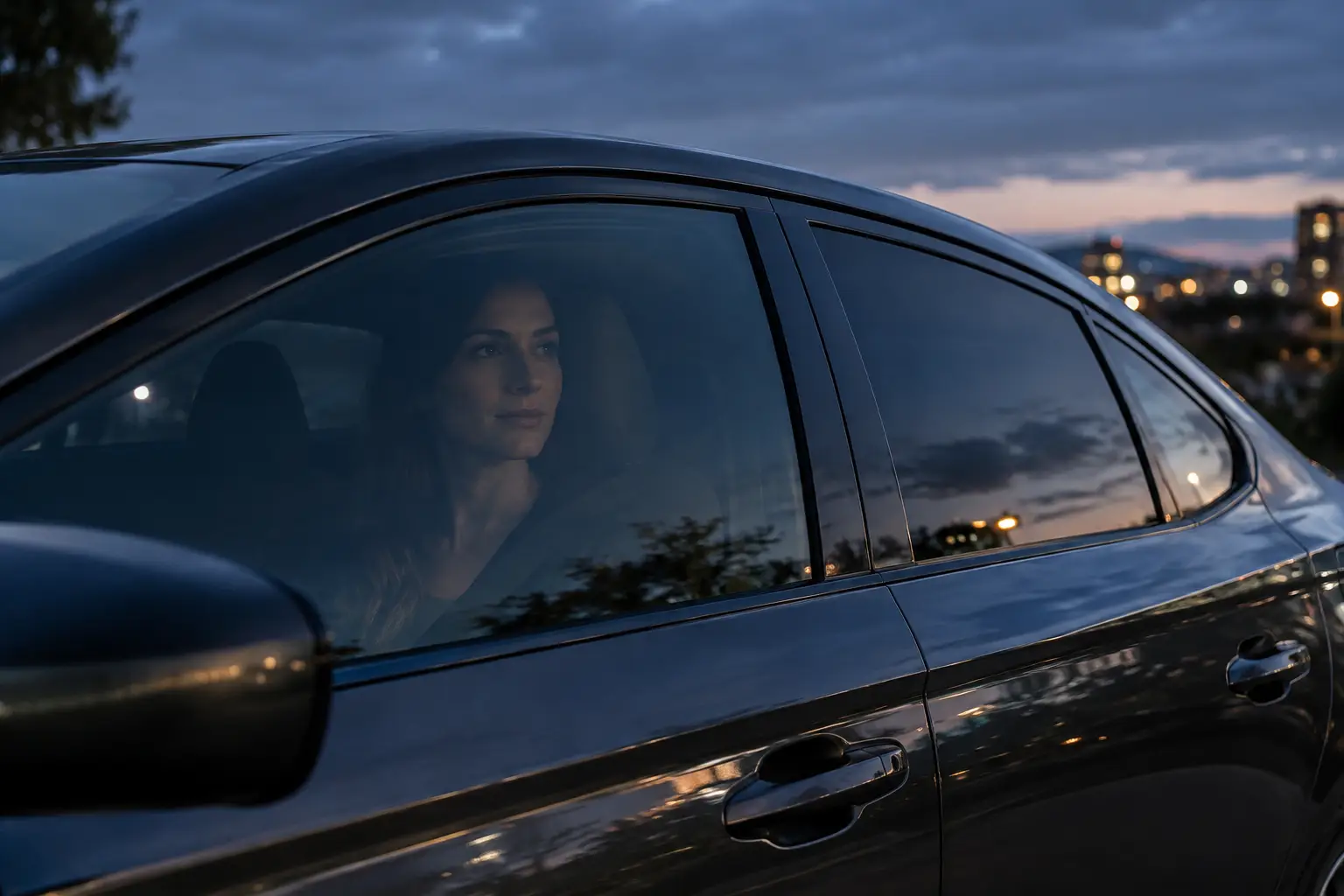
A dark, clean tint job can make your vehicle feel more private when you are parked outside a restaurant, sitting in traffic, or loading gear after sunset. But can tint improve nighttime privacy? Yes, with a catch: tint works best when the light level on your side of the glass is lower than the light outside. Once your cabin is brightly lit, even a very dark film has limits.
That is not a reason to skip tint. It is a reason to choose it for the right job. Quality window film can reduce casual visibility into your vehicle, create a more composed look, cut glare, and keep your personal space from feeling exposed. The best results come from matching the film shade, the vehicle, your local tint laws, and how you actually use your car at night.
Can Tint Improve Nighttime Privacy? Yes, But Light Wins
Window tint reduces visible light transmission, often called VLT. A lower VLT percentage means less light passes through the glass. For example, 20% tint allows less visible light through than 35% tint, so it generally makes it harder for someone outside to see into the vehicle.
During the day, this effect is strong because daylight is brighter outside than inside the car. At night, the physics flip quickly. If you turn on dome lights, use a bright screen, or have interior LED lighting glowing at full output, your cabin becomes the brighter space. People outside may still be able to see silhouettes, movement, and items inside – especially when they are close to the glass.
Think of a tinted window as a filter, not a blackout wall. It adds privacy and reduces quick visibility, but it cannot defeat a bright interior against a dark parking lot. That distinction matters when choosing a shade.
What You Can Expect From Automotive Tint After Dark
A professionally installed film provides meaningful privacy in common real-world situations. Someone walking past your parked car is less likely to get a clear view of the interior. Drivers beside you at a stoplight will have a harder time seeing what is on the passenger seat. If you carry work equipment, sports gear, bags, or electronics, tint helps keep those items less obvious to casual observers.
It also gives the vehicle a more finished, intentional appearance. On a truck, SUV, sedan, or performance build, the right film shade can tie together black trim, wheels, wraps, and lighting upgrades without looking overdone.
Still, tint does not make valuables safe to leave in plain sight. A determined person can get close to the glass, use a flashlight, or simply break a window. Privacy tint is one layer of protection. Smart habits, secure storage, and a quality security system provide stronger protection for vehicles that regularly carry expensive gear.
Interior Lighting Changes Everything
The fastest way to lose nighttime privacy is turning on interior lights. A bright dome light makes every window more transparent from the outside, even with dark film. The same is true of a large infotainment display, phone screen, tablet, or aftermarket accent lighting set too bright.
If privacy matters when parked, keep cabin lighting low and directed. Use dimmable footwell or ambient LEDs rather than a bright overhead light. Put bags and gear in the trunk, under-seat storage, or a covered cargo area before you arrive. These small moves work with your tint instead of working against it.
Darker Is Not Always Better
The darkest legal tint may seem like the obvious choice for privacy, but it can create a trade-off in nighttime visibility. Dark film makes it harder for outsiders to see in, but it also reduces what you can see out of side and rear windows. That can matter on poorly lit roads, in heavy rain, while backing up, or when checking for pedestrians and cyclists.
For many daily drivers, a balanced shade is the smarter custom choice. A moderate film on the front side windows, paired with a darker rear section where permitted, can provide a sharp look and useful privacy without making night driving feel restricted. SUVs and trucks with factory rear privacy glass may only need a matching film or a heat-rejecting upgrade to create a uniform finish.
Legal limits vary by state and by window location. A professional installer can help you select a film that supports your goals without setting you up for a ticket, failed inspection, or a tint removal later.
The Film Type Matters as Much as the Shade
Not all tint is created equal. Dyed film can darken glass, but premium carbon and ceramic films are usually the better long-term play for drivers who want privacy plus comfort. They can reduce heat and glare while delivering a cleaner appearance and better color stability over time.
Ceramic film is especially valuable in South Florida, where a parked vehicle can become brutally hot fast. It can reject a significant amount of infrared heat without requiring the absolute darkest appearance. That gives you room to choose a legal, practical VLT while still upgrading comfort and UV protection.
For drivers who value signal performance, quality non-metallic films are also a strong choice. They are designed to avoid the interference concerns that can come with some metallic films, helping your phone, GPS, key fob, and vehicle electronics perform as expected.
Privacy for Homes and Businesses at Night Is Different
Residential and commercial window tint can reduce daytime visibility, glare, heat, and UV exposure. At night, however, the same lighting rule applies: when the interior is brighter than the exterior, standard tint does not create one-way privacy.
A storefront with bright interior lighting can still be visible from the sidewalk after dark. A home with lights on can still reveal activity near a window. Film may soften the view and reduce detail, but it will not replace blinds, shades, curtains, or exterior lighting strategy when full nighttime privacy is the goal.
For homes, pairing window film with layered window treatments works best. For businesses, consider how window film works alongside after-hours lighting, security cameras, and display placement. Privacy is stronger when the solution is designed around the entire space, not just the glass.
How to Choose the Right Privacy Tint Setup
Start with the way you drive and park. If your vehicle spends most nights in a garage, you may prioritize heat rejection, UV protection, and appearance over maximum privacy. If you park downtown, haul tools, carry audio equipment, or frequently have passengers in the rear seat, privacy may rank higher.
Then consider your vehicle’s glass layout. A coupe, sedan, truck, and large SUV each create a different viewing angle. Rear factory privacy glass, panoramic roofs, windshield strips, and windshield visibility all affect the final plan. The right setup should look consistent while remaining comfortable to drive.
Finally, do not judge film only by a tiny sample held against a shop window. Ask to see installed examples in daylight and low-light conditions. A professional shop can explain what the shade will look like on your paint color, interior color, and glass type. Black leather, light gray cloth, and bright tan interiors can all change how visible the cabin appears.
Get Privacy Without Compromising the Drive
The goal is not to make your car disappear at night. It is to make the cabin feel less exposed, the vehicle look more refined, and your daily drive more comfortable. A clean installation with quality film can do all three while adding heat and glare control that you will notice every time you get behind the wheel.
Tint Station can build a tint package around your vehicle, your privacy expectations, and the legal limits where you drive. Bring your questions, your style goals, and the way you use your vehicle – the right shade is the one that protects your space without taking away confidence after dark.