
Car Alarm System Review for Real-World Security
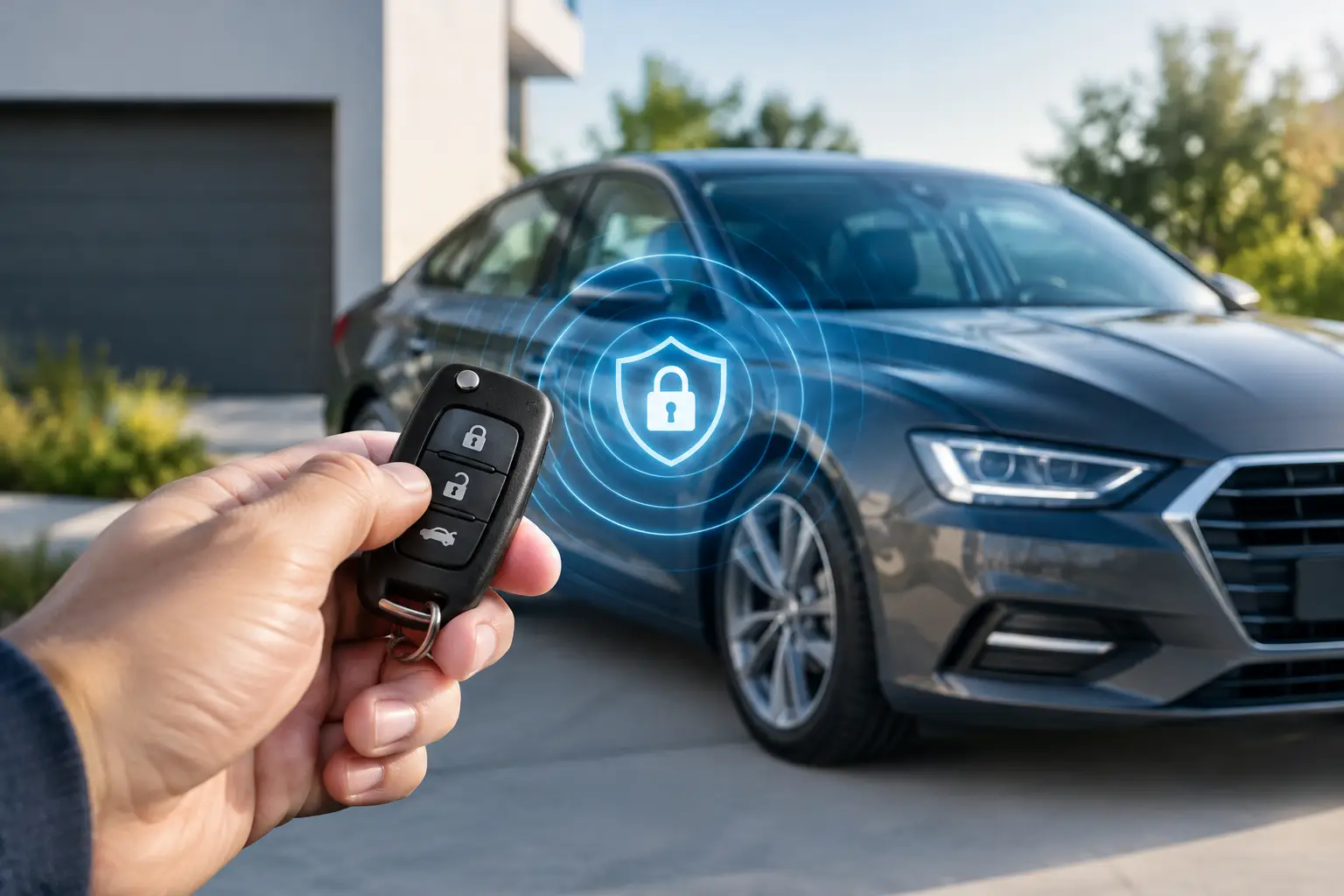
A smashed window, a missing bag, or a vehicle that simply does not start can turn an ordinary stop into an expensive day. A smart car alarm system review starts with that reality: the best system is not the loudest one. It is the one that makes your vehicle harder to target, alerts you fast, and is installed cleanly enough to work when it counts.
For drivers in South Florida, security is not a one-size-fits-all purchase. A daily-driven sedan parked at a condo needs something different from a lifted truck with aftermarket wheels, a work van carrying tools, or a custom audio build that deserves protection. The right alarm setup should fit the vehicle, how you use it, where you park it, and what you have invested in it.
What a Car Alarm System Should Actually Do
Old-school alarms earned a mixed reputation for a reason. A random siren going off in a crowded parking lot is easy to ignore. Modern vehicle security should do more than make noise. It should detect an attempted break-in, create a strong deterrent, and give the owner useful information without constant false alarms.
At a basic level, a quality system can monitor door, hood, and trunk entry points while sounding a siren and flashing the parking lights when a trigger is detected. That is still valuable. Visible warning LEDs, alarm decals, and a siren can convince an opportunistic thief to move on before causing damage.
The upgrade is layered protection. A well-designed alarm can add impact sensing, tilt sensing, starter interrupt capability, remote alerts, and GPS tracking. Each layer addresses a different theft risk. The key is choosing features that solve a real problem instead of paying for a spec sheet full of options you will never use.
Car Alarm System Review: Features Worth Paying For
Two-way remotes and phone alerts
A one-way remote sends a command from your key fob to the vehicle. A two-way remote confirms that the vehicle received it. If the alarm is triggered, the compatible remote can notify you with an audible tone, vibration, or screen alert. That feedback matters when the vehicle is parked outside an office, gym, restaurant, or apartment.
App-based alerts take that convenience further. Depending on the system and subscription plan, you may receive an alert on your phone when the alarm is triggered and check vehicle location from almost anywhere. This is especially useful for seasonal residents, parents sharing a vehicle with a new driver, and business owners managing work vehicles.
There is a trade-off. Connected features may rely on cellular service and can require an ongoing subscription. For some drivers, that is a worthwhile cost for real-time awareness. For a garage-kept weekend car, a traditional alarm with a two-way remote may be the better value.
Shock and impact sensors
Shock sensors are designed to react to impacts, such as someone striking the glass or attempting to force entry. Most quality systems allow sensitivity adjustment, and that adjustment is critical. Set too low, the sensor misses a real threat. Set too high, a thunderstorm, passing truck, or car door closing nearby can create a nuisance alarm.
A skilled installer should tune the sensor for your vehicle and explain how it behaves. The goal is not a system that reacts to everything. It is one that reacts to suspicious activity with confidence.
Tilt and motion protection
If your vehicle has premium wheels, is lowered, or is frequently parked outdoors, a tilt sensor deserves serious consideration. It can detect a change in vehicle angle, helping protect against wheel theft or an attempted tow. This is one of the strongest add-ons for trucks, SUVs, performance vehicles, and custom builds.
Interior motion sensing can also help when a thief breaks a window instead of opening a door. However, it may not be ideal for every vehicle. Convertibles, vehicles with pets, or cars where windows are often left cracked need careful configuration to avoid false triggers.
Starter interrupt
A starter interrupt can prevent the engine from being started after the alarm is armed. It adds a meaningful layer of theft resistance because a thief who gets into the cabin still has another obstacle to overcome.
This feature needs professional installation. Vehicle electronics are more complex than ever, and poor wiring can create reliability issues, warning lights, or no-start headaches. Proper integration, secure connections, and clean routing are not extras. They are the difference between a security upgrade and a future service problem.
GPS tracking and recovery support
GPS tracking does not prevent theft by itself, but it can improve the odds of recovering a vehicle after it is taken. Location updates can be valuable for high-value vehicles, fleet vans, vehicles stored at a second home, and cars with expensive wheels, audio, lighting, or performance upgrades.
Understand what the tracking service includes before choosing it. Some systems offer basic location history, while others include geofencing, speed notifications, battery alerts, or recovery assistance. Consider how often you will use those tools and whether a monthly service fee fits your budget.
Match the System to the Vehicle and Risk
The best security setup for a commuter is usually simple, dependable, and easy to use. Door, hood, and trunk monitoring with a quality siren, shock sensor, and two-way notification can be a strong package for a daily driver. Add remote start only if you want the comfort feature too, and make sure the system is designed to work with your factory keyless entry.
For a custom vehicle, the stakes are higher. Wheels, sound systems, lighting packages, wraps, and performance parts can make a vehicle stand out for the right reasons, but they also increase its appeal to thieves. A layered system with tilt protection, starter interrupt, phone alerts, and tracking offers more complete coverage.
Work vehicles need a different conversation. Tools and equipment can be more valuable than the van itself. A loud alarm helps, but location tracking, instant alerts, and secure installation are often the bigger priorities. Fleet owners may also benefit from geofence notifications that show when a vehicle leaves a job site or designated service area.
The Installation Is Part of the Product
A premium alarm installed poorly is not premium protection. The cleanest installations are difficult to see, difficult to defeat, and designed around the vehicle instead of rushed into it. Wires should be protected, modules should be secured, and factory systems should be integrated correctly.
This is also where experience with modern vehicles matters. Many newer cars use data networks, factory immobilizers, push-button start systems, and advanced driver-assistance electronics. The installer must know how to add security without compromising factory operation. Ask how the system will interact with your original remotes, whether all triggers are covered, and how the installer handles warranty support.
A good shop will also walk you through daily use before you leave. You should know how to arm and disarm the system, what the alerts mean, how to use valet mode, and what to do if a remote battery dies. Great security is not useful if it is frustrating enough that you stop using it.
What to Avoid When Choosing an Alarm
Price matters, but the cheapest package can become expensive if it brings false alarms, poor range, weak support, or unreliable installation. Be cautious with universal kits that promise every feature for a bargain price. Compatibility and workmanship are usually where those packages fall short.
Avoid choosing based on siren volume alone. A louder siren may draw attention, but notification and immobilization features often provide more practical protection. Also avoid overbuilding the system. If your vehicle sleeps in a locked garage and rarely leaves your sight, a costly tracking plan and multiple sensors may not deliver enough added value.
Before approving a quote, make sure it clearly identifies the alarm model, included sensors, remote or app capabilities, labor, programming, and any recurring service costs. That makes it easier to compare systems honestly and prevents surprises after installation.
Your vehicle is personal, whether it is a clean daily driver, a hard-working fleet van, or a full custom build. Choose security that protects the way you actually drive and park. For a tailored recommendation and professional installation, Tint Station can help you build a system that adds confidence without adding clutter to your vehicle.