
Marine Electronics Upgrades That Transform Your Boat
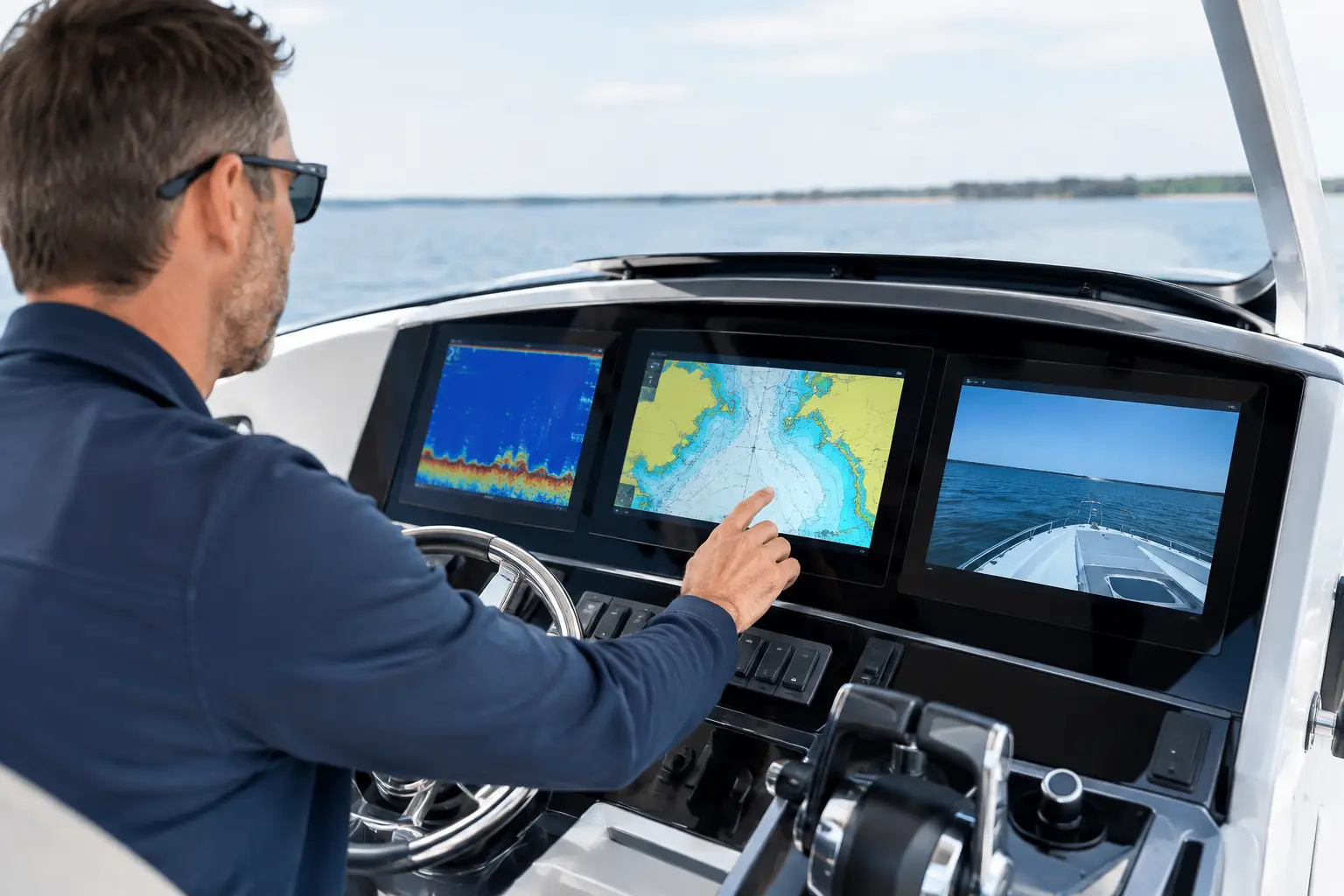
A great day on the water can turn frustrating fast when your navigation screen is hard to read, your audio cuts out at speed, or a dead battery leaves you stuck at the dock. The right marine electronics are not just luxury add-ons. They make your boat safer, more capable, more comfortable, and far more enjoyable for everyone aboard.
For boat owners in South Florida, equipment also has to stand up to serious sun, humidity, salt air, spray, and long days offshore or at the sandbar. That is why choosing the right products matters, but professional installation matters just as much. Clean wiring, correct fusing, waterproof connections, and smart system design are what separate a real upgrade from a future service headache.
Marine Electronics Start With How You Use Your Boat
There is no single best electronics package for every vessel. A center console heading offshore needs different tools than a wake boat built around music, a pontoon made for sunset cruises, or a fishing boat working shallow water. The best place to start is simple: identify what you want to do better on the water.
If safer navigation is the priority, focus on GPS chartplotters, sonar, radar, and VHF communication. If your boat is the spot where friends gather, audio, lighting, charging, and display integration may deliver the biggest payoff. Many owners want both. A properly planned system can combine safety equipment and entertainment without turning the helm or the battery compartment into a mess.
It also pays to think beyond the next weekend. Adding one amplifier today may be easy. Adding a full sound system later can require different wiring, battery capacity, and mounting locations. Planning for expansion from the beginning saves labor and keeps the finished build looking factory-clean.
Navigation Upgrades That Build Confidence
A modern GPS chartplotter is often the command center of a boat’s electronics system. It puts detailed charts, routes, speed, depth, engine data, and often camera feeds in one place. For Florida boaters moving between busy inlets, shallow channels, reefs, and open water, a bright, responsive display is a major upgrade over relying on a phone or an outdated unit.
Screen size should match the helm and the way you operate. A small screen can work on a compact skiff, but it becomes crowded when you split the display between charts, sonar, and engine information. Larger displays offer more usable information at a glance, though they require proper dash space, secure mounting, and clean integration with the rest of the vessel.
Sonar Should Match Your Fishing Style
Sonar is not one-size-fits-all. Traditional sonar is useful for reading depth and finding structure. Side-scan imaging helps reveal bottom detail beside the boat, while down-scan imaging gives a sharper view below. Anglers who spend time offshore may benefit from transducers designed to maintain readings at speed and reach deeper water. Inshore anglers often value detail in shallow water and dependable bottom tracking.
The transducer installation is every bit as important as the display. Placement affects performance, especially when the boat is on plane. A poorly mounted transducer can produce unreliable readings exactly when you need them most. That is a job worth doing right the first time.
VHF Radios Are a Safety Essential
A VHF radio gives you a direct way to monitor weather, communicate with nearby boaters, contact marinas, and call for help when cell service is weak or unavailable. A fixed-mount unit paired with a properly installed antenna generally provides better range and reliability than a handheld radio alone.
Look for features that fit your use, including GPS position sharing, distress calling capability, and integration with compatible onboard displays. A quality VHF does not replace smart boating practices, but it adds a critical layer of communication when conditions change.
Marine Audio Should Be Built for the Environment
Boat audio is one of the most noticeable upgrades you can make. The difference between a basic pair of speakers and a properly designed marine sound system is huge. Clear music at cruising speed, strong bass without rattles, easy Bluetooth control, and a polished appearance can completely change the atmosphere aboard.
But marine audio cannot be treated like car audio mounted near water. Marine-rated speakers, amplifiers, source units, and subwoofers are made to resist UV exposure, moisture, corrosion, and temperature swings. Even then, the installation has to protect the equipment from direct water intrusion and use corrosion-resistant hardware and wiring practices.
The goal should not always be maximum volume. On a smaller boat, too much speaker power can overwhelm the space and drain the batteries quickly. On a larger center console, tower speakers may be useful for projecting sound behind the boat, but they should be selected and aimed thoughtfully so the system sounds strong without becoming harsh. The right setup depends on the hull, available power, listening habits, and where people sit.
What a Balanced Boat Sound System Includes
A well-designed system usually starts with a marine head unit or digital media controller, then adds properly placed speakers, amplification, and subwoofers where appropriate. Zone control is a smart feature for boats with separate helm, bow, cabin, and stern areas. It lets passengers enjoy music in one area without forcing the same volume everywhere.
Remote controls and wireless controllers are another high-value addition. Nobody wants to climb back to the helm every time the playlist changes. With the right setup, control can be available at the transom, on a tower, or through a protected display.
Lighting Makes Your Boat Look Better and Work Better
Marine lighting has a practical side and a style side. Courtesy lights, deck lights, compartment lighting, and spreader lights improve visibility for boarding, rigging, cleaning, and moving around after dark. Underwater lights, RGB accent lighting, illuminated cup holders, and speaker lighting can give a boat a custom look that stands out at the marina or sandbar.
The key is choosing lighting with the right protection rating and installing it with proper switching, fusing, and wire management. Cheap LEDs may look good briefly, then fade, flicker, or corrode after constant sun and salt exposure. Quality components cost more up front, but they hold their color, resist the elements, and protect the value of your build.
Avoid overdoing it just because the options are there. The best custom lighting highlights the boat’s lines and creates useful light where people need it. It should feel intentional, not cluttered.
Power Management Is the Foundation of Marine Electronics
Every added display, amplifier, pump, light, and charger places another demand on the electrical system. A boat can have premium electronics and still perform poorly if the battery bank, charging setup, wiring, or grounding is inadequate.
For a simple setup, a reliable starting battery and an accessory battery may be enough. Larger audio systems, multiple displays, and extended days at anchor often call for a more advanced battery arrangement, battery isolator, onboard charger, or lithium upgrade. Lithium batteries offer impressive capacity and weight savings, but they are not automatically right for every boat. Compatibility with charging equipment, budget, mounting, and system design all need to be considered.
Professional wiring is where craftsmanship shows. Connections should be protected from moisture, circuits should be fused correctly, wires should be supported and labeled, and equipment should remain accessible for future service. A clean install is easier to troubleshoot, safer to operate, and more valuable when it is time to sell or trade the boat.
Choose Installation That Matches the Upgrade
Some boat owners buy electronics based on a sale, then try to make the equipment fit later. That approach can lead to mismatched components, cluttered dashboards, weak battery performance, and exposed wiring. A better move is to plan the whole system around your boat and your real habits on the water.
At Tint Station, marine upgrades are approached as custom builds, not box-by-box installations. Whether you want a clearer navigation setup, a serious sound system, custom LED lighting, or a complete electronics refresh, the goal is a finished result that performs hard and looks right on your boat.
Before choosing components, think about your boat’s size, storage space, helm layout, battery capacity, and typical trips. Then choose equipment that solves a real problem or adds an experience you will use. The best marine upgrade is the one that makes you more confident leaving the dock and more reluctant to head home.