
Paint Protection Film Versus Wrap for Your Car
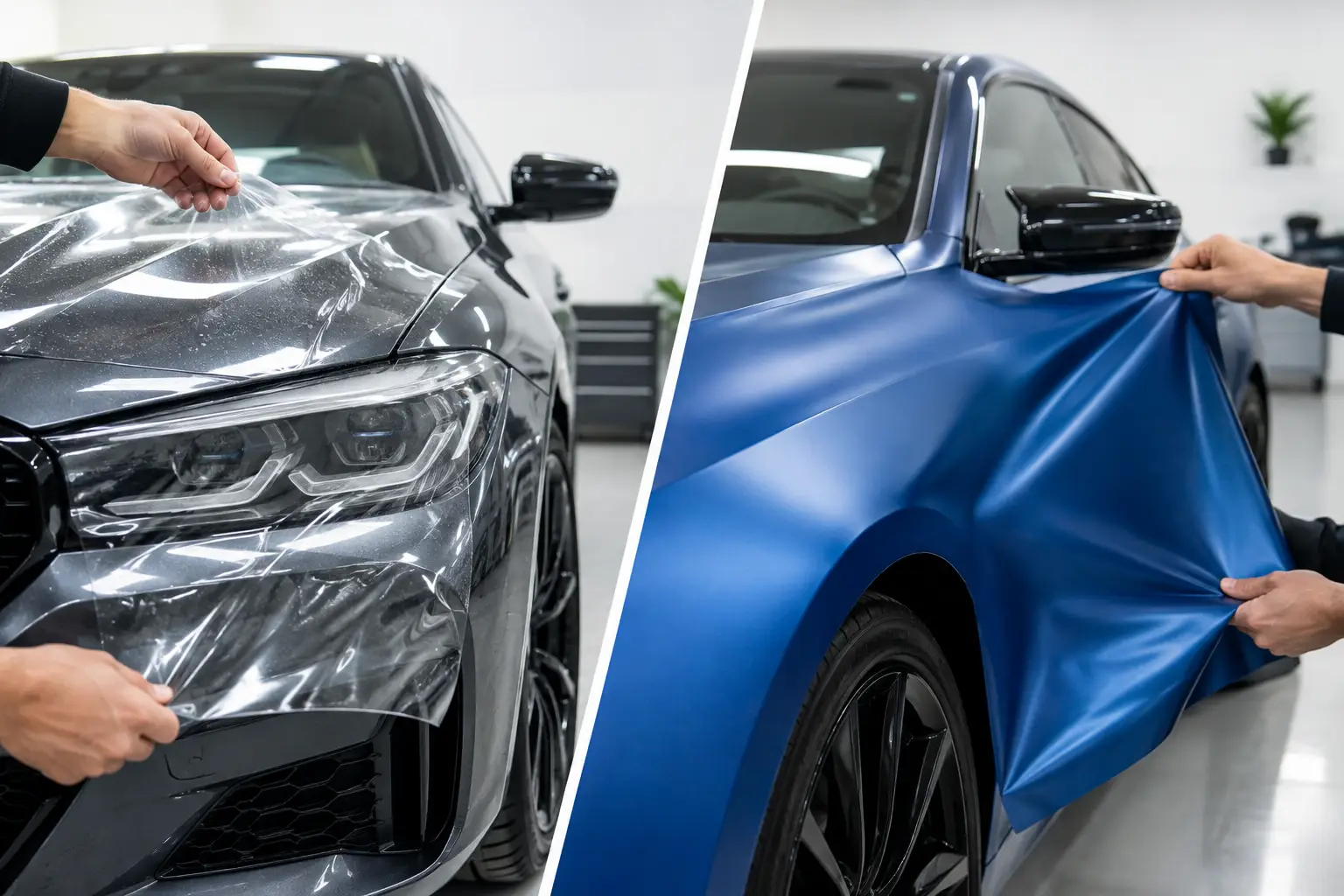
A fresh finish can make a daily driver look custom, a luxury vehicle look protected, or a work fleet look sharp and consistent. But when customers ask about paint protection film versus wrap, they are usually comparing two very different jobs. One is built to take a hit. The other is built to make a statement.
Both can transform your vehicle, and both require serious installation skill to look right. The best choice comes down to what you want your vehicle to do after it leaves the shop: resist damage, change color, advertise your business, or deliver a little of each.
Paint Protection Film Versus Wrap: The Core Difference
Paint protection film, often called PPF or clear bra, is a thick, transparent urethane film applied over painted surfaces. Its main mission is defense. It helps protect high-impact areas from rock chips, road debris, bug acids, light scuffs, and the everyday abrasion that slowly beats up a vehicle’s finish.
A vinyl wrap is primarily a visual upgrade. It uses a thinner colored, textured, printed, or specialty vinyl to change the appearance of the vehicle without permanent paintwork. Wraps can create a gloss, satin, matte, metallic, carbon-fiber, color-shifting, or fully branded look that factory paint simply cannot deliver.
Think of PPF as armor for your paint and vinyl wrap as a new outfit for your vehicle. That comparison is simple, but it matters when you are spending money on a premium install. A wrap may offer some light protection from sun exposure and minor surface wear, but it is not intended to absorb the same impacts as PPF.
What Paint Protection Film Does Best
PPF earns its value where your car gets punished first: the front bumper, hood, fenders, mirror caps, rocker panels, door edges, trunk ledge, and behind-the-wheel areas. In South Florida, it also helps preserve a clean finish against intense sun, love bugs, sand, highway debris, and the kind of parking-lot contact nobody claims.
Quality paint protection film is noticeably thicker than vinyl wrap. That thickness gives it better resistance to chips and scratches. Many premium films also have self-healing topcoats. With heat from the sun or warm water, light swirl marks and surface scratches can become far less visible.
Clear PPF lets the original paint color stay front and center. That makes it a strong choice for new cars, performance vehicles, high-end finishes, and owners who want to protect resale value without changing the factory look. It is also available in matte and satin options if you want to change the sheen while keeping the vehicle’s original color recognizable.
The trade-off is cost. PPF materials and prep time are substantial, especially on vehicles with complex bumpers, sharp body lines, sensors, and camera systems. A full-vehicle PPF installation is a premium investment. Many drivers get the biggest return by protecting the front end and other high-wear zones rather than covering every panel.
Where Vinyl Wrap Takes the Lead
A wrap is the move when visual impact is the priority. Maybe you love your vehicle but not its factory color. Maybe you want a murdered-out satin black look, a refined metallic finish, a bold color flip, racing stripes, roof wrap, blackout trim, or a custom printed design. Vinyl gives you options that repainting cannot match for flexibility.
For business owners and fleet operators, wraps are also rolling marketing. A clean commercial wrap can put your logo, service area, phone number, and brand personality in front of local customers every time the vehicle is on the road. Partial wraps and decals can make a strong impression without the cost of a full graphic package.
A professionally installed wrap can also shield the paint from UV exposure, light scratches, and routine grime. But that is a side benefit, not the reason to choose it. A sharp rock on I-95 can still cut or tear vinyl. If chip resistance is the goal, PPF belongs underneath the conversation.
Wraps generally cost less than full-body PPF, although the final quote depends on vehicle size, the chosen film, design complexity, disassembly, paint condition, and how much coverage you want. A simple roof wrap is a very different project from a full color-change wrap with wrapped door jambs and custom accents.
Durability Depends on Film, Care, and Installation
Neither product is a shortcut around proper maintenance. Florida heat, UV exposure, salt air, tree sap, bug residue, fuel spills, and aggressive washing can shorten the life of any film. Quality material matters, but prep and installation matter just as much.
Before PPF or wrap goes on, the paint should be carefully cleaned and decontaminated. Existing chips, peeling clear coat, deep scratches, and failing paint need an honest assessment first. Film can cover minor imperfections, but it does not repair damaged paint. In some cases, removing a film later can pull compromised paint with it.
A properly installed PPF package can last for years while maintaining clarity and gloss. A quality vinyl wrap can also look excellent for years, but its lifespan varies more based on color, finish, exposure, and care. Dark colors, matte films, chrome effects, and heavily sun-exposed vehicles may need more attention than a garage-kept vehicle with a lighter finish.
Hand washing is the safest routine for both. Use pH-balanced products, soft wash media, and clean microfiber towels. Avoid aiming a pressure washer too closely at film edges. If you use an automatic wash, choose touchless whenever possible. Wax and ceramic-compatible products may be appropriate, but the right choice depends on the specific film installed.
Can You Put PPF Over a Wrap?
Yes, but it is not automatically the smart answer for every build. Clear PPF can be applied over certain vinyl wraps to add a stronger layer of physical protection while preserving the custom color or graphics underneath. This is popular for high-impact zones on show vehicles, exotic cars, and custom builds that see real road time.
The downside is added cost, thickness, and complexity. Not every wrap material, texture, or edge configuration is ideal for layering. Installation must be planned from the beginning so seams, coverage lines, and future removal are handled correctly. If your priority is a color change plus serious protection, ask about a colored PPF option instead of assuming two separate films are necessary.
Colored PPF combines a visual transformation with the thicker protective qualities of paint protection film. It can be a strong premium solution for owners who want one installation that changes the color and helps guard against chips. It is not the budget choice, but it is worth discussing when you want a bold finish without compromising on defense.
How to Choose the Right Coverage
Choose PPF if you love your current paint, drive on highways often, park outside, own a newer vehicle, or simply hate watching the front bumper collect chips. A front-end package is often the most practical place to start, especially for daily drivers.
Choose a wrap if your goal is color, texture, graphics, trim blackout, or a recognizable business look. It is the better canvas for personalization. If your vehicle is a weekend cruiser or a brand-focused work vehicle, the visual return can be immediate.
Choose a combination when your goals overlap. A full wrap with PPF on vulnerable areas, a clear PPF front end with wrapped roof and trim, or colored PPF for a complete transformation can all make sense. The right setup is based on how you drive, where you park, the condition of your paint, and how long you plan to keep the vehicle.
At Tint Station, that conversation starts with the vehicle in front of us, not a one-size-fits-all package. A careful inspection and a clear quote help you spend where it counts, whether that means protecting a high-value finish, building a standout custom look, or giving your business fleet a cleaner presence on the road.
Your vehicle does not need every possible upgrade. It needs the finish that fits its real life. Bring in the car, truck, SUV, motorcycle, or fleet vehicle you want to protect or transform, and build a plan that still looks right long after the first clean photo.