
How to Plan Commercial Window Tinting Right
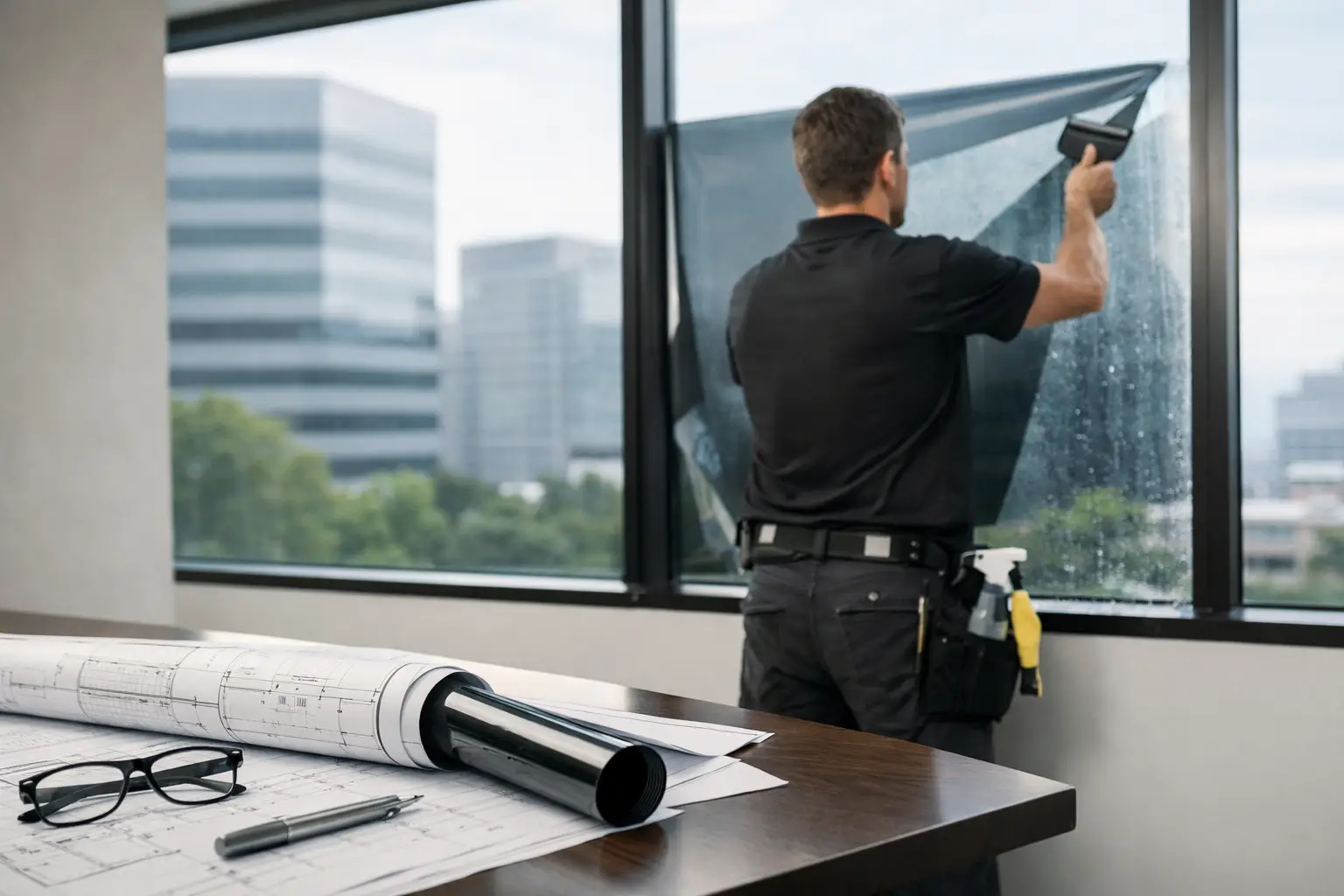
A storefront that feels like an oven at 2 p.m., an office full of glare, and fading merchandise are not separate problems. They are usually signs that it is time to plan commercial window tinting around how your building actually works. The right film can make a South Florida space more comfortable, more private, and easier to operate without changing the character of the glass.
Commercial tint is not a one-film-fits-all upgrade. A restaurant with west-facing dining room windows has a different priority than a medical office, retail showroom, warehouse, school, or property management portfolio. Start with the pain point, then build the project around the glass, the operating hours, and the result you want customers and staff to notice.
Start With the Problem, Not the Film
The fastest way to waste money is choosing film by shade alone. Darker glass may look sharp, but appearance is only one part of the decision. Before comparing products, walk the building at the times sunlight is most aggressive. Look for hot zones, monitor glare, customer-facing areas with no privacy, faded flooring or displays, and windows that force employees to keep blinds closed all day.
For many South Florida businesses, heat rejection is the lead concern. Reducing solar heat through large glass areas can make perimeter offices, waiting rooms, and storefronts more usable. In other spaces, glare control matters more. Think conference rooms with wall-mounted displays, reception desks facing the street, salons, gyms, and offices where screen visibility affects everyday work.
Privacy is another common reason to tint, but it needs a realistic plan. Standard window film can reduce visibility into a space during the day, especially when exterior light is brighter than interior light. At night, that relationship reverses. If 24-hour privacy is the goal, a frosted, decorative, or specialty privacy film may be a better fit than a dark solar film.
Write down the primary goal and secondary goals for each area. For example, the showroom may need glare reduction and UV protection without making the merchandise look dim. A back office may prioritize privacy. A south-facing lobby may need heat control while keeping a bright, premium look. This zone-by-zone approach produces better results than applying one film everywhere because it is convenient.
Assess Your Glass Before You Plan Commercial Window Tinting
Commercial glass has its own rules. The type of glass, its age, its condition, and the way it is installed all affect what film belongs on it. An experienced installer should inspect the property before recommending a product, particularly when the building has insulated glass units, tempered glass, laminated glass, low-E coatings, skylights, or oversized panels.
Some film-and-glass combinations can create additional thermal stress. That does not mean commercial tint is a bad idea. It means the selected film has to be compatible with the glass. A professional assessment helps prevent avoidable issues such as seal problems, glass stress, or a finish that does not perform as expected.
It is also smart to document existing conditions before installation. Note chips, scratches, fogged double-pane glass, failed seals, old decals, and any film already on the window. Existing film may need removal before new material can be installed, and removal should be included in the quote rather than becoming a surprise after the crew arrives.
If you lease the space, review the lease and speak with property management early. Many commercial landlords welcome tint that improves occupant comfort, but they may have standards for exterior appearance, permitted film shades, contractor insurance, or work hours. Buildings in historic districts, mixed-use developments, and association-managed properties can have additional requirements.
Choose Film by Performance and Finish
Once the glass has been evaluated, compare film based on what it delivers. Solar-control films are designed to manage heat, glare, and ultraviolet exposure. They come in clear, lightly reflective, neutral, and darker looks. A light or nearly clear ceramic-style option may preserve a bright interior while improving comfort, while a more reflective film can create stronger solar control and daytime privacy.
Decorative film is the move when the goal is branding, visual separation, or privacy. Frosted bands on office partitions, etched-style conference room glass, and custom patterns can create a finished look without the cost and disruption of replacing glass. For businesses that need their space to look as polished as their service, this is one of the highest-impact upgrades available.
Security film deserves its own conversation. It is designed to help hold broken glass together after an impact. It is not a substitute for an alarm, access control, impact-rated glazing, or proper building security. Still, it can be a valuable layer for ground-floor offices, retail spaces, and entrances when paired with a complete security plan. The installation method, including edge attachment when appropriate, matters as much as the film itself.
Do not treat visible light transmission as a minor spec. A film that looks perfect on a small sample may feel too dark across an entire lobby. Ask to see samples on your actual glass and view them from both inside and outside. Check the color at different times of day. Cool gray, warm bronze, reflective silver, and neutral finishes each send a different message about your brand and property.
Build a Budget That Covers the Whole Project
Commercial window tinting is usually priced by the square foot, but square footage is only part of the cost. Window access, glass height, film type, removal of existing film, cutout complexity, after-hours scheduling, and site conditions all shape the final quote. A ground-level storefront with clean rectangular panes is a very different job from an occupied office with high interior glass and furniture tight against every wall.
A quality quote should make the scope clear. It should identify which windows or zones are included, the film category or product, prep work, old-film removal if needed, and the installation timeline. If you are comparing bids, compare the performance specifications and installation scope, not just the bottom-line number. The lowest quote can become expensive if the film does not solve the heat or glare problem that triggered the project.
Think about value over the life of the installation. Better comfort can reduce complaints from staff and customers. Less glare can improve the way workstations and displays function. UV filtering can help protect flooring, furnishings, artwork, packaging, and merchandise from fading. Those benefits are real, but the return depends on your building, HVAC system, window exposure, and how the space is used.
Schedule Installation Around Your Operation
Good planning protects your business from unnecessary disruption. Most commercial window film is installed from the interior, but the work still requires clear access to the glass. Move fragile displays, paperwork, and electronics away from windows. Let employees know which areas will be unavailable and make a plan for conference rooms, customer seating, or checkout areas.
For active retail locations, restaurants, clinics, and offices, installation can often be phased by room, floor, or storefront section. That allows the business to stay open while the crew works through the project. After-hours or weekend scheduling can also make sense for high-traffic spaces, though it may affect project cost.
Freshly installed film needs time to cure. During that period, some haze or small moisture pockets can be normal, especially in humid weather. Avoid cleaning the glass until the installer provides the go-ahead. After curing, use soft cloths and film-safe cleaning products rather than abrasive pads or harsh chemicals.
Make the Finish Match the Brand
Commercial tint should look intentional from the curb and from the chair behind the front desk. That is why a custom plan beats a generic recommendation. The best project balances the technical performance you need with the image you want to present: clean and modern, private and professional, bold and reflective, or bright with subtle heat control.
Tint Station can assess your glass, identify the hot spots that are costing your team comfort, and build a commercial tint package around your building instead of forcing your building into a preset package. Bring photos, measurements if you have them, and a clear description of what is not working in the space.
The right commercial window tinting plan starts with one honest question: what should this glass do better for your business tomorrow than it does today? Get a professional consultation and free quote, then choose the film that delivers that result with a finish you will still be proud to see every day.
Related window tinting services from Tint Station