
Residential Security Film Guide for Safer Homes
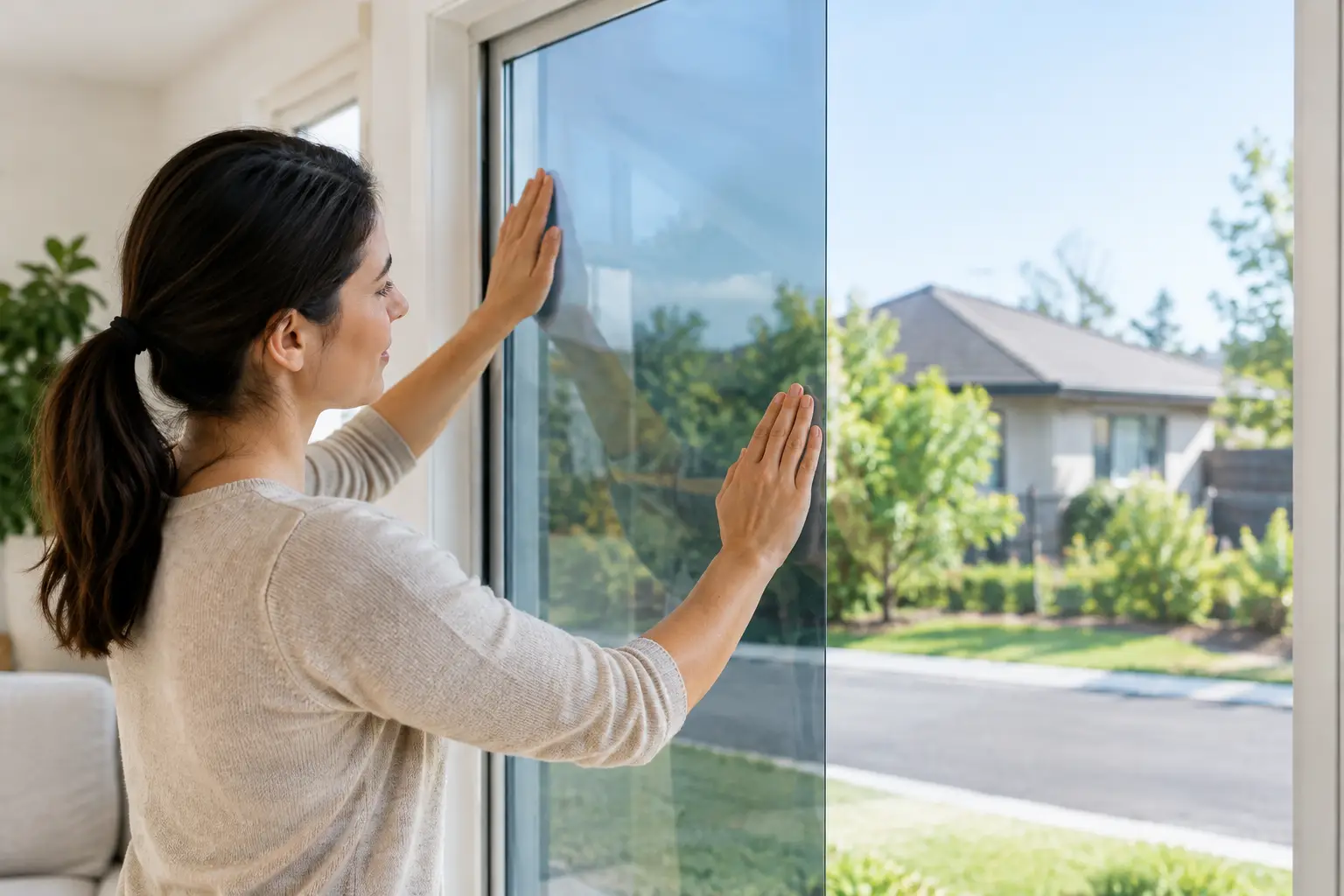
A ground-floor window is often the fastest way into a home – and the messiest part of a break-in is usually the glass. Residential security film is built to change that equation. It helps hold broken glass together, slows forced entry, and adds a clean layer of protection without turning your home into a fortress.
This residential security film guide is for homeowners who want practical protection that still looks right in a South Florida home. Whether your concern is a patio door, sidelights beside the front entry, a child’s play area, or a vulnerable first-floor window, the right film and installation method matter more than a generic promise of “security.”
What Residential Security Film Actually Does
Security film is a thicker, multi-layer polyester film installed on the inside surface of glass. When the glass breaks, the film helps keep fragments bonded together instead of allowing the pane to immediately collapse inward. That can reduce flying glass from accidents, deter smash-and-grab attempts, and create a meaningful delay during a forced-entry attempt.
That delay is the point. A determined intruder with time and the right tools may still get through ordinary residential glass. Security film is not a magic shield, and it does not make a standard window equivalent to a bank vault. What it can do is force more effort, more noise, and more time – three things most opportunistic intruders do not want.
It also brings a safety benefit that homeowners sometimes overlook. Broken glass can scatter across a room after a storm, impact, or accident. By retaining much of that broken glass in place, film can help protect people, pets, furnishings, and flooring from dangerous shards.
Security Film vs. Standard Window Tint
All window film is not security film. Standard solar-control tint is typically chosen for heat rejection, glare control, UV reduction, privacy, or appearance. It can improve comfort and help protect floors, furniture, artwork, and window treatments from fading, but it is not designed to resist forced entry in the same way.
Security film is substantially thicker and engineered for tear resistance. Some products are clear, while others combine security performance with solar heat control, privacy, or decorative finishes. That combination can be a smart move in Deerfield Beach, where large glass openings bring in serious sunlight and heat for much of the year.
The trade-off is that thicker film is a more specialized installation. It costs more than basic tint, requires careful glass preparation, and may affect the look of the window depending on the product selected. Clear options preserve the original appearance best. Tinted or reflective options can add privacy and solar benefits, but they may change exterior visibility, interior brightness, or nighttime reflections.
The Glass and Frame Matter as Much as the Film
A security film system only performs as well as the glass, frame, and attachment method supporting it. This is where professional guidance separates a real upgrade from a product that merely looks good on paper.
On many residential windows, the film is applied directly to the glass and trimmed close to the edge. That approach can still provide valuable shard retention and make a broken pane more difficult to clear. For stronger forced-entry resistance, an attachment system may be used to anchor the film to the window frame. This helps keep the filmed glass in the opening after impact rather than allowing the entire pane to release from the frame.
The right approach depends on the window construction. Sliding glass doors, fixed picture windows, French doors, narrow sidelights, and older aluminum-frame windows all behave differently under impact. A large patio door may need a different strategy than a small bathroom window. During a proper assessment, the installer should look at the glass type, frame condition, seals, access points, and how the window is used every day.
Double-pane insulated glass deserves particular attention. Some film and glass combinations can raise thermal stress, especially with certain dark or high-heat-absorbing films. The wrong product can increase the risk of seal failure or glass cracking. A qualified installer should recommend a film that is compatible with your specific glass, not apply the same material to every opening in the house.
Don’t Confuse Security Film With Hurricane Protection
For South Florida homeowners, this distinction matters. Security film may help hold shattered glass together, but it is not automatically a replacement for impact-rated windows, approved hurricane shutters, or other code-compliant storm protection.
Hurricane protection is about a complete tested system – glass, frame, anchoring, and the building opening. If your goal is to meet local storm requirements or replace existing approved protection, ask specifically about code compliance and product ratings. Never assume a security film installation alone qualifies as hurricane protection.
That does not make film a poor choice. It can be an excellent complement to a broader home protection plan, especially for reducing shattered-glass hazards and improving day-to-day intrusion resistance. The key is buying it for the benefit it is designed to deliver, not for a claim it cannot support.
Where Security Film Delivers the Most Value
Start with the openings that are easiest to reach and hardest to monitor. First-floor windows hidden by landscaping, rear-facing sliding doors, garage side doors with glass, and entry-door sidelights are common priorities. Large windows near a pool deck or entertaining area can also be strong candidates because broken glass in those spaces creates an immediate safety problem.
Homeowners with children may prioritize low windows, glass doors, and areas near playrooms. Home offices can benefit when expensive electronics, equipment, or visible displays sit near street-facing glass. For seasonal or part-time residences, security film adds another layer of friction at windows that may not be watched every day.
There is no need to film every piece of glass just because it exists. A focused installation on the most exposed openings can deliver a better return than spreading a lower-grade solution across the entire home. A good consultation should help you prioritize rather than pressure you into an oversized package.
What a Professional Installation Should Include
Security film needs precision. The glass must be thoroughly cleaned, edges prepared correctly, and the film installed without contamination, bubbles, or poor adhesion. On a security-focused job, edge treatment and frame attachment are not minor details. They are central to performance.
Expect the installer to ask what problem you are solving. Are you trying to delay forced entry, reduce injury from broken glass, manage solar heat, add privacy, or combine several goals? The answer changes the film recommendation.
You should also ask about the product warranty, glass compatibility, curing time, and care instructions. Freshly installed film can take time to fully cure, and temporary haze or moisture pockets may appear during that period. Do not scrape at edges or use abrasive cleaners once the film is installed. A soft cloth and film-safe cleaner are the safer choice.
Tint Station can help homeowners match the right security film to the glass, layout, and visual style of the property. The goal is not to bury your home behind a dark, industrial look. It is to add smart protection with clean workmanship and a finish that belongs on the home.
Questions to Ask Before You Choose a Film
Ask whether the quoted product is true security film or standard window tint with basic shatter retention. Ask how thick it is, whether it is compatible with your window glass, and whether frame attachment is recommended for your risk level. If solar performance matters, ask about visible light transmission, heat rejection, glare, and how the film will look from both sides of the glass.
It is also worth discussing the limits of the installation. A credible installer will explain what the film can do and where other upgrades may make sense, such as better locks, door reinforcement, exterior lighting, cameras, or impact-rated openings. Security works best in layers. Film can make the glass harder to defeat, but it should support your overall plan rather than carry it alone.
A Better Way to Protect the View
The best residential security upgrade is one you will use every day without regretting how it looks. Choose film based on the weak points of your home, the performance you actually need, and the condition of the windows you already have. A properly selected security film can keep the view open while making that glass a much less inviting target.