
Vehicle Electronics Upgrades That Change Every Drive
A clean-sounding system, a confident backup camera view, lighting that actually stands out after dark – the right vehicle electronics can make a daily driver feel purpose-built. The difference is not just more features on a spec sheet. It is getting into a vehicle that sounds better, works smarter, and reflects how you use it.
For South Florida drivers, electronics also have to hold up against heat, humidity, heavy rain, and long hours behind the wheel. For enthusiasts, the goal may be a show-ready custom build. For a family vehicle, a work truck, or a fleet, the priority may be safer visibility and reliable communication. The best upgrade path depends on the vehicle, the budget, and what is missing from your current setup.
Vehicle Electronics That Earn Their Place
Not every upgrade needs to be dramatic. A modern radio can bring hands-free calling, navigation, music streaming, and camera integration to an older vehicle. Better speakers and amplification can add clarity without turning every commute into a rolling concert. A security system can provide peace of mind when your vehicle is parked outside, while LED lighting can improve visibility and give the exterior a sharper, more customized look.
The key is to choose electronics that solve a real problem or improve an experience you already care about. Chasing the newest feature without a plan can leave you with mismatched components, cluttered controls, and money spent in the wrong places. A good custom installation starts with how you drive, what you carry, where you park, and what you expect from the vehicle six months from now.
Audio upgrades: clarity first, then volume
Many factory sound systems are designed to meet a price point, not to deliver detail. They may be fine for talk radio, but they often struggle with bass response, clean volume, and separation between vocals and instruments. Replacing speakers can improve clarity, but speakers alone are not always the complete answer. If the factory radio sends a weak or heavily processed signal, adding an amplifier, digital signal processor, or upgraded receiver may make a much bigger difference.
A balanced system matters more than simply buying the biggest subwoofer. The right build can include component speakers up front, properly powered rear fill, a compact subwoofer for low-end response, and tuning that makes music sound natural from the driver’s seat. Space is a real trade-off. A large enclosure can deliver serious bass, but it may take away from trunk room or cargo space. For many daily drivers, a custom low-profile enclosure or powered subwoofer provides the better compromise.
Radios and integration: make the cabin work for you
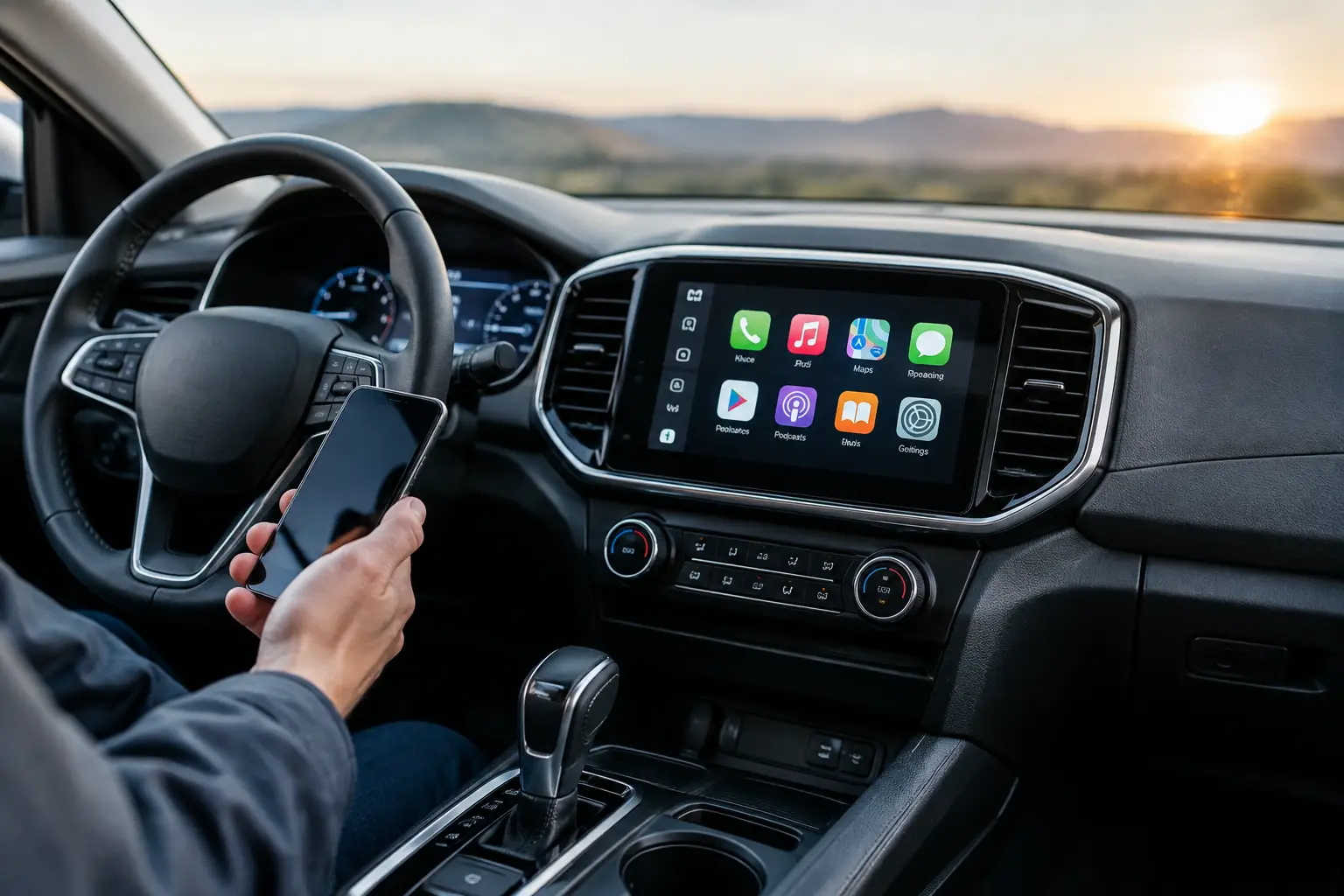
A new head unit is often the center of a vehicle electronics upgrade. It can modernize an aging dashboard with smartphone integration, Bluetooth, touchscreen controls, navigation, and compatibility for cameras or amplifiers. This is especially valuable in vehicles that drive well but feel outdated inside.
Fitment and integration deserve attention here. Some vehicles use factory screens or controls for climate settings, steering-wheel buttons, warning chimes, and camera displays. Replacing the radio without the correct interface can mean losing functions you use every day. The cleanest installations retain important factory features while adding the technology you want. A properly selected dash kit, wiring interface, and vehicle-specific programming make the result look intentional rather than aftermarket in the wrong way.
Cameras, sensors, and security: upgrades with a job to do
Backup cameras are no longer just a convenience feature. They can make tight parking lots, crowded driveways, trailers, and low obstacles easier to manage. Front cameras can help with parking curbs and lifted vehicles where close-range visibility is limited. For commercial vehicles and fleets, camera systems may also support safer maneuvering and better driver awareness.
Security systems can range from basic alarm protection to remote start, GPS tracking, impact alerts, and smartphone notifications. The right package depends on where the vehicle is parked and how much visibility you want when you are away from it. Remote start is popular in hot climates because it lets the cabin begin cooling before you step outside. Still, it must be installed with the right bypass modules and programming to work correctly with modern immobilizers and push-button start systems.
LED lighting: visibility with personality
Lighting is one of the fastest ways to change a vehicle’s presence. Interior accent lighting, footwell LEDs, grille lighting, rock lights, marine lighting, and custom exterior accents can all create a signature look. Functional upgrades such as brighter reverse lights, auxiliary lighting, and properly aimed driving lights can also improve nighttime visibility.
There is a line between a clean lighting build and a distracting one. Color placement, brightness, wiring protection, and switch location all matter. Exterior lighting must also be selected and installed with local rules in mind. The goal is a finished look that gets attention for the right reasons, not a setup that causes glare, electrical issues, or unwanted attention on the road.
Build Vehicle Electronics Around Your Actual Use
Before choosing components, think beyond the product names. A commuter who spends an hour a day in traffic may benefit most from hands-free connectivity, clear audio, and a backup camera. A truck owner may prioritize auxiliary lights, trailer cameras, and a durable security system. A boat, motorcycle, ATV, or UTV has a different set of needs entirely, including weather resistance, vibration control, and controls that remain easy to use while moving.
Your existing vehicle also sets the rules. Older vehicles can be excellent candidates for a full technology refresh because there is often more flexibility behind the dash. Newer vehicles may require more specialized integration to preserve factory controls and safety features. Electric vehicles, luxury models, and vehicles with advanced driver-assistance systems deserve especially careful planning. The cheapest universal solution is not always the safest or cleanest option.
Budget matters, but it helps to prioritize the foundation. In audio, that may mean spending on professional installation, wiring, and tuning before adding cosmetic extras. In lighting, it means using quality connectors, fused power distribution, and weather-resistant materials instead of shortcuts. In security, it means choosing reliable integration over features you will never use. A system that is easy to expand later is often a smarter buy than trying to do everything at once.
Why Professional Installation Changes the Result
Modern vehicles are packed with sensitive electronics, factory data networks, airbags, cameras, and modules. An installation is more than connecting positive and negative wires. Proper work includes safe wire routing, secure mounting, correct fusing, clean signal management, panel reassembly, and testing every feature before the vehicle leaves the shop.
Craftsmanship shows in the details you do not immediately see. Wires should not rattle behind panels. Amplifiers should be mounted securely with adequate ventilation. Camera views should be useful, not pointed at the bumper. Lighting should be protected from moisture and vibration. When a system is built correctly, it feels like it belongs in the vehicle.
That is where a customization-focused shop makes a difference. Tint Station can plan audio, security, lighting, and appearance upgrades together, so the finished build has one direction instead of a collection of unrelated add-ons. Whether the goal is better daily comfort or a full custom statement, the installation should match the standard of the vehicle owner.
Plan the Upgrade Before the Appointment
Bring a few practical details to your consultation: the vehicle year, make, and model; the features you want to keep; how you use the vehicle; and an honest budget range. If you have reference photos, favorite music genres, or a specific concern such as weak factory lighting or poor backup visibility, share that too. Those details help shape a build that fits rather than a generic package.
The best vehicle electronics do not just add noise, screens, or lights. They make the vehicle more useful and more personal every time you turn the key. Start with the part of your drive that needs improvement, then build it right with components and installation that will keep performing long after the first ride.