
Vehicle Wraps: What They Protect and Transform
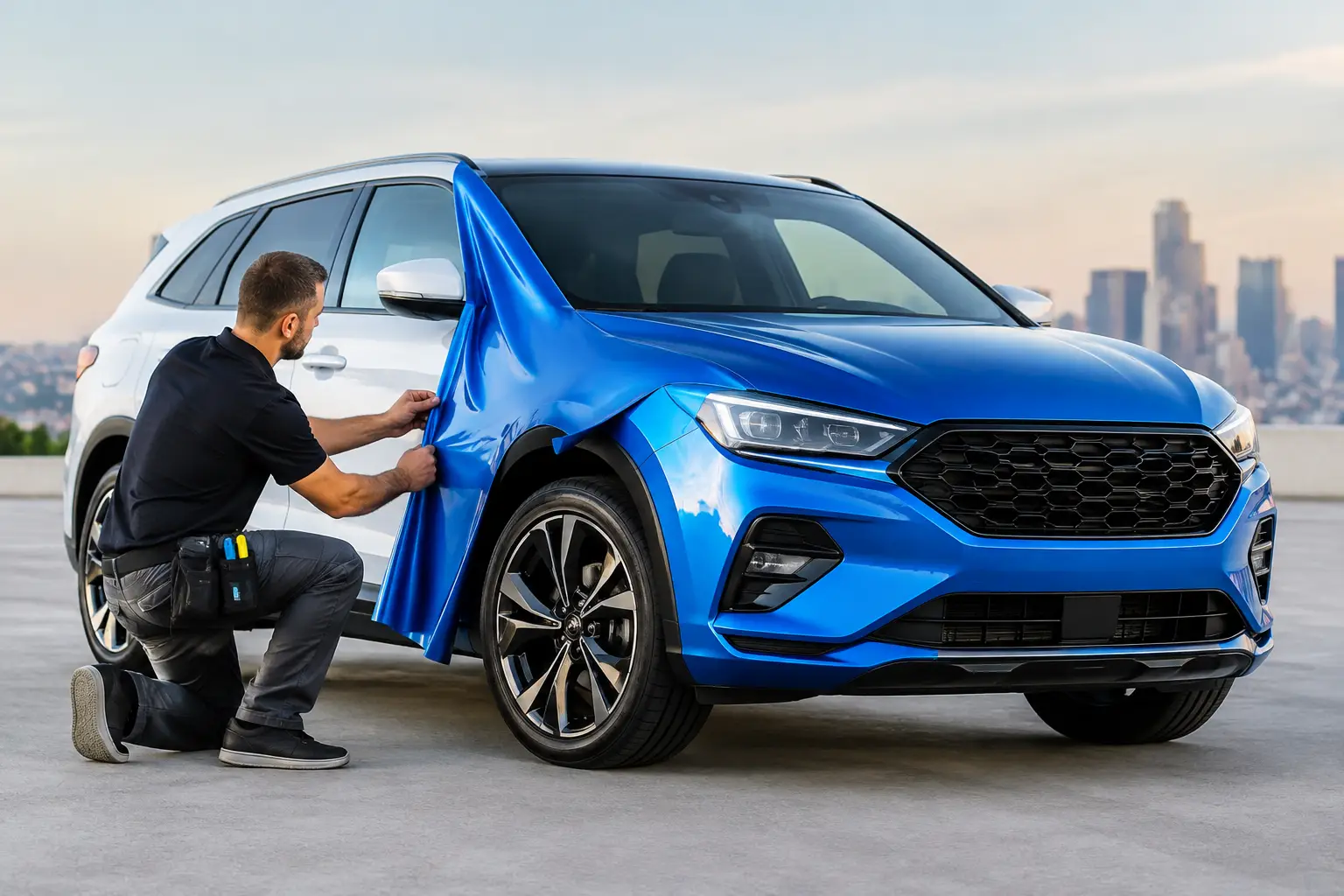
A factory paint color gets the job done. A professionally installed wrap makes the vehicle yours. Vehicle wraps can take a work van from anonymous to instantly recognizable, give a weekend build a satin-black attitude, or protect the original finish on a high-value vehicle without committing to permanent paint. The difference comes down to more than picking a color. Material quality, surface preparation, design, and installation technique all show up in the final result.
For South Florida drivers, wraps also make sense beyond style. Sun, heat, road grime, salt air, and constant parking-lot exposure can be hard on exterior finishes. The right film gives you a fresh look with a practical layer between your paint and daily life.
What Vehicle Wraps Actually Do
A vehicle wrap is a durable vinyl film applied over painted body panels. It can cover the full vehicle, selected panels, trim, roof, hood, mirrors, or chrome details. Wrap films are available in gloss, satin, matte, metallic, carbon-fiber textures, color-shifting finishes, printed graphics, and clear protective options.
The visual transformation is the obvious benefit, but it is not the only one. Quality vinyl helps shield the paint beneath from light scratches, UV exposure, bug residue, and minor road debris. It will not make a vehicle invincible, and it is not a replacement for paint protection film in high-impact areas. Still, it can help preserve the finish and support resale value when the wrap is removed correctly.
For business owners, the value is even more direct. A branded truck, delivery van, trailer, or fleet vehicle creates impressions while it is parked, driving, or sitting at a job site. Unlike a removable magnet, a full or partial commercial wrap looks intentional and built into the vehicle. It tells customers who you are before they ever search for your name.
Full Wraps, Partial Wraps, and Accent Work
The right coverage depends on your goal, vehicle condition, and budget. A full wrap changes nearly every visible painted surface, creating the biggest visual impact. This is the move for color changes, show vehicles, luxury builds, and businesses that want maximum brand visibility.
A partial wrap uses strategic panels rather than covering the entire vehicle. A commercial design may use the doors, rear quarters, hood, and tailgate while allowing the original paint color to become part of the layout. It can be a smart way to get a strong brand presence without paying for full coverage.
Accent wraps are ideal when you want a clean custom touch instead of a complete transformation. Popular options include black roofs, hood stripes, mirror caps, smoked or color-accented trim, chrome deletes, racing graphics, and interior trim enhancements. These details can sharpen a vehicle’s look without overwhelming it.
There is no universal best choice. A matte black SUV can look aggressive, but it requires more careful wash habits than standard gloss. A vivid printed commercial wrap can bring leads, but the design has to stay readable at speed. A color-shift film draws attention, yet it may not fit a conservative fleet brand. Great wrap work starts with how you use the vehicle, not just what looks good on a sample swatch.
Why Installation Quality Matters
A wrap can only look as good as the surface under it. Before installation, the vehicle needs a thorough wash and decontamination to remove dirt, wax, grease, and bonded contaminants. Chips, peeling clear coat, rust, deep scratches, and fresh paint can all affect adhesion and the appearance of the finished job.
Professional installers also know where film needs to be stretched, where it should be relief-cut, and where edges need to be properly tucked and post-heated. Those steps matter because doors, bumpers, handles, mirrors, body lines, and recessed areas are where poor installations reveal themselves first. Lifted edges, trapped debris, distorted graphics, and uneven seams are not normal signs of a quality wrap.
The material itself matters too. Premium cast vinyl is designed to conform around complex curves and last longer than cheaper calendared films. Lower-cost material can be tempting for a short-term promotion or a basic flat-panel application, but it often lacks the finish quality and durability needed for a full vehicle. Your installer should recommend film based on the vehicle, expected lifespan, coverage area, and intended use.
At Tint Station, custom work is treated like custom work. That means discussing the finish, coverage, graphics, existing paint condition, and how the vehicle lives day to day before recommending a direction.
Commercial Wrap Design Has One Job: Be Seen
A business wrap is not a brochure squeezed onto a van. Drivers have seconds to understand who you are and what you do. Strong commercial layouts use a clear business name, high-contrast colors, a readable primary service, and contact information that does not require someone to tailgate you to read it.
Too much small text weakens even the most expensive wrap. The best designs create hierarchy. Your logo and service should be visible first. A phone number, website, service area, or key selling point can follow. Photos, patterns, and secondary details should support the message rather than compete with it.
Think about where your vehicle is seen most. A contractor’s truck spends time in neighborhoods and job sites. A marine service vehicle may need a design that feels at home around marinas. A delivery fleet needs clear branding from the side and rear. The layout should work from a distance, in traffic, and under harsh Florida sun.
How Long Do Vehicle Wraps Last?
A professionally installed wrap made with quality material can last several years, but lifespan depends on the film, color, finish, climate, and care. Vehicles stored in garages generally keep their finish longer than vehicles parked outside all day. South Florida heat and UV exposure are real factors, especially with darker colors and horizontal surfaces such as roofs and hoods.
Care is simple, but it is not optional. Hand washing with a mild automotive soap is the safest routine. If you use a pressure washer, keep the nozzle at a safe distance and avoid blasting edges, seams, or damaged sections. Skip abrasive brushes, harsh chemicals, and petroleum-based cleaners. Bird droppings, bugs, fuel spills, and tree sap should be cleaned promptly because they can stain or degrade the film over time.
Automatic car washes are a case-by-case decision. Touchless washes are generally gentler than brush tunnels, but frequent washing with aggressive chemicals can still dull the finish. Matte and satin wraps need products made specifically for non-gloss finishes. Waxing a matte wrap with a conventional shine wax is a quick way to create uneven glossy patches.
Cost Factors Worth Understanding
Wrap pricing is quote-based because no two projects are truly identical. Vehicle size is a major factor, but so are body complexity, coverage level, film type, paint condition, disassembly requirements, and custom graphic design. A compact sedan with a simple color change is a different project from a lifted truck with flares, bumpers, door handles, and textured trim.
It is also worth considering the cost of doing it twice. A low quote that skips proper prep or uses bargain material can lead to edge lifting, fading, and early replacement. The better value is a wrap that looks right on day one and still looks professional months later.
If your vehicle has damaged paint, be upfront before scheduling. Vinyl can cover some cosmetic imperfections, but it cannot repair failing clear coat or unstable paint. In fact, removing film from damaged areas can sometimes pull loose paint with it. An honest inspection protects both the vehicle and the investment.
Is a Wrap Right for Your Vehicle?
Wraps are an excellent fit when you want a reversible color change, branded business exposure, a more personal look, or added protection for original paint. They are less ideal when the paint underneath is heavily deteriorated or when the vehicle needs serious bodywork first. In those cases, repair comes before customization.
The best next step is not choosing a color online. Bring in the vehicle, talk through how you drive it, where it is parked, what you want people to notice, and how long you want the finish to last. A well-planned wrap should feel like it always belonged on the vehicle – and make every mile work harder for you.