
How Long Does Window Tint Last?
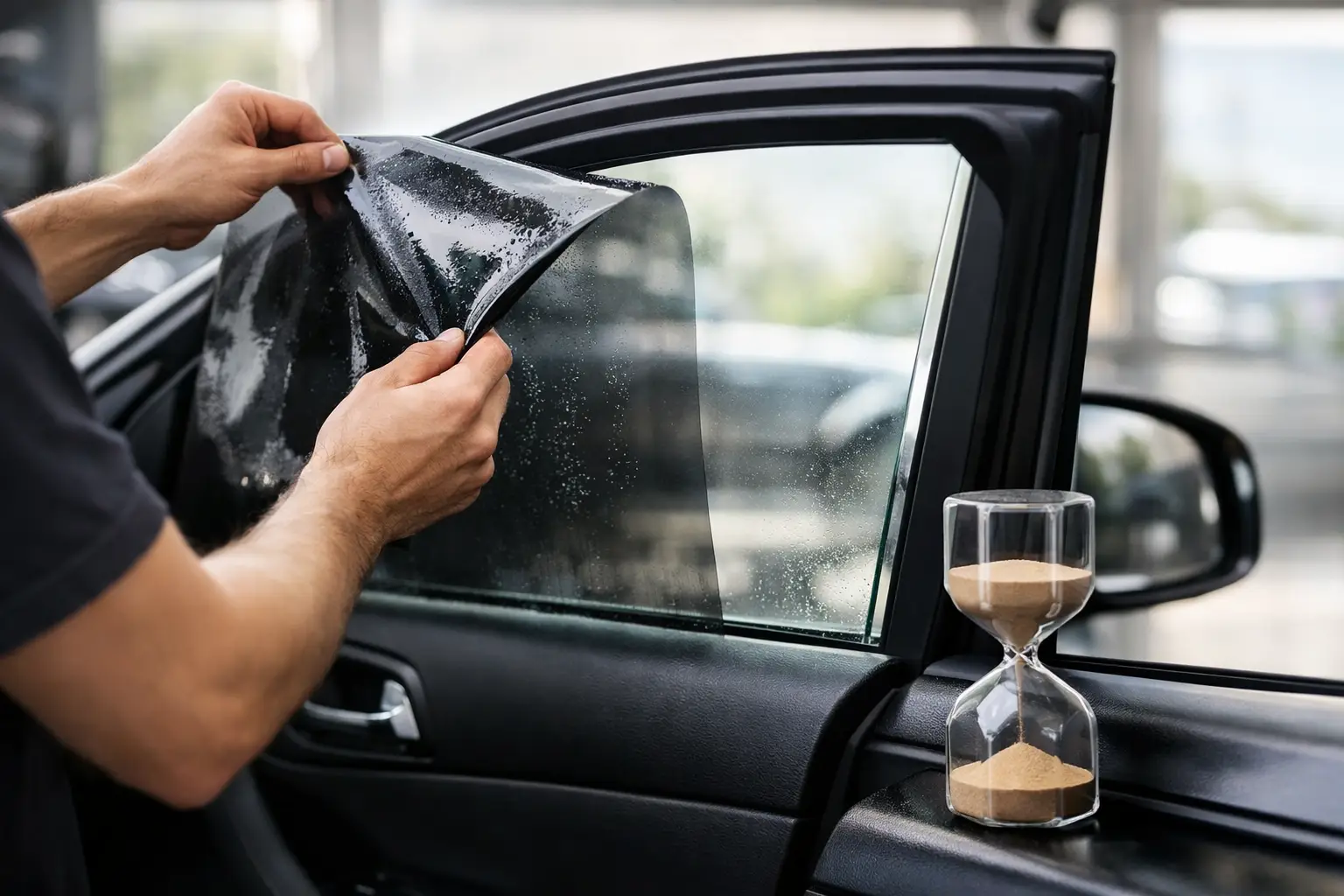
That bubbling edge in the corner of a window usually starts the same question: how long does window tint last? The short answer is 5 to 10 years for standard dyed film, and 10 years or more for better-quality carbon or ceramic tint. But real-world lifespan depends on the film, the installer, the glass, the climate, and how the vehicle or building is used.
If you are in South Florida, this matters even more. Heat, UV exposure, salt air, and year-round sun can punish cheap film fast. A clean, professional install with the right material can hold up for years. A bargain tint job can start fading, turning purple, or peeling long before it should.
How long does window tint last on average?
Most people want a number, but window tint is not one-size-fits-all. On a vehicle, dyed film often lasts around 5 years, sometimes a little longer if the car is garaged and not constantly baking in direct sun. Carbon film usually lasts longer, often in the 8 to 12 year range. Ceramic tint can go even further, especially when it is paired with quality installation and proper care.
For residential and commercial windows, lifespan can stretch longer because the film is not being rolled up and down like a car window. Flat glass films often last 10 to 20 years depending on product type, sun exposure, and glass conditions. That said, large west-facing windows in intense sun can still wear film down faster than expected.
Marine and powersports applications are their own category. Boats, side-by-sides, and specialty builds can face heavy UV, moisture, and vibration. In those cases, material choice and install quality matter even more than the average lifespan listed on a brochure.
What affects how long window tint lasts?
The biggest factor is film quality. Cheap dyed tint is usually where problems start. It may look good on day one, but lower-grade adhesives and dyes break down faster, especially in hot climates. Premium films are built to resist fading, adhesive failure, and surface wear.
Installation quality is right behind it. Even excellent film can fail early if the glass is not prepped correctly or the tint is cut and shrunk poorly. Dust contamination, trapped moisture, edge gaps, and rough handling during install all shorten the life of the tint. A professional shop does more than apply film – it controls the conditions that help that film stay bonded and clean for the long haul.
Then there is exposure. A vehicle parked outside every day in Florida sun is under more stress than one kept in a garage. Rear glass that takes direct heat for hours will age differently than side windows. On homes and businesses, the direction the windows face changes everything. South- and west-facing glass generally sees harder use.
Window function also matters. Fixed glass tends to preserve tint better than roll-down windows because there is less friction. Every time a car window goes up and down, the film faces wear from seals, debris, and pressure. That does not mean quality tint should fail quickly, but it does explain why some windows age faster than others.
Signs your window tint is reaching the end
Tint usually does not fail all at once. It starts with small clues. Fading is one of the most common. Black film may shift toward brown or purple as the dyes break down. That color change is not just cosmetic – it is a sign the film is losing performance.
Peeling at the edges is another red flag. Sometimes it begins from poor installation. Other times the adhesive is simply aging out. Once peeling starts, it rarely gets better on its own.
Bubbling is the issue most people notice first. Those pockets form when the adhesive fails or contamination interferes with bonding. Bubbles can distort visibility and make an otherwise sharp vehicle or storefront look neglected.
Scratches, haziness, and a patchy appearance also point to aging film. If the tint looks uneven from the outside or visibility is getting worse from the inside, replacement is usually the smarter move than trying to live with it.
Does premium tint actually last longer?
Yes, and this is where cutting corners usually costs more later. Better tint is not just about a darker look. It is about film construction, adhesive quality, UV resistance, and heat rejection performance over time.
Dyed film is often the lowest-cost option, but it tends to fade sooner. Metalized films can offer durability, though they may create signal interference in some vehicles and electronics-heavy applications. Carbon film is a strong middle ground because it resists fading well and delivers a clean, rich appearance. Ceramic tint is the premium choice for many drivers and property owners because it combines durability, high heat rejection, and long-term color stability.
If you plan to keep your vehicle for years, or you want a home or commercial tint solution that will not look tired after a few summers, premium film usually makes better financial sense. Paying less up front does not help much if you are stripping and replacing the tint early.
How long does window tint last in Florida heat?
Florida is hard on everything exposed to sunlight, and window film is no exception. Constant UV, high cabin temperatures, humidity, and salt-heavy coastal air can shorten the life of lower-quality tint. That is why the same film that might last several more years in a milder climate can start failing early here.
This does not mean tint is a bad investment in Florida. It actually means the opposite. Quality tint works harder here and delivers more value through heat reduction, glare control, interior protection, and privacy. It just needs to be the right film, installed the right way.
For South Florida drivers especially, ceramic and high-end carbon films are often worth the upgrade. They hold their appearance better, resist fading more effectively, and continue performing under intense sun where cheaper film starts waving the white flag.
Can you make window tint last longer?
Absolutely. Good care will not turn cheap film into premium film, but it can help quality tint reach its full lifespan. The first rule is to respect the cure time after installation. Do not roll down the windows too soon, and do not start scrubbing the glass right away. Fresh tint needs time to bond fully.
After that, use gentle cleaning methods. A soft microfiber towel and tint-safe cleaner go a long way. Harsh chemicals, abrasive pads, and scraping tools can damage the film surface. If your window seals collect sand, salt, or dust, cleaning those areas helps reduce scratching when the glass moves.
Parking habits matter too. Covered parking reduces heat stress and UV exposure. It will not stop aging completely, but it does slow it down. The same logic applies to residential and commercial spaces. Shaded exposure is easier on film than relentless direct sun.
Is it better to replace tint before it fully fails?
Usually, yes. Old tint is easier and cleaner to replace before it becomes a complete mess. Once film turns brittle, heavily bubbled, or deeply adhesive-stained, removal gets more difficult. That can mean more labor, more cleanup, and more downtime.
There is also the appearance factor. If your vehicle is customized, clean, and well-kept, bad tint drags the whole look down. On a storefront or office, worn-out film sends the wrong message fast. Replacing failing tint early keeps the finish sharp and the performance where it should be.
This is also the right time to upgrade. A lot of customers start with basic tint, then switch to carbon or ceramic once they understand the difference in comfort and longevity. If the old film is already on its way out, it makes sense to install something built to last longer and perform better.
When professional installation makes the biggest difference
Window tint lifespan is not only about what brand is on the box. It is about who installs it. Precision cutting, proper shrinking, clean prep, and experience with different glass types all matter. That is true for automotive work, but it is just as important for residential, commercial, and marine applications where the wrong film or poor prep can lead to early failure.
A professional shop can also help match the film to the job. Some customers care most about privacy. Others want maximum heat rejection, a factory-style appearance, or film that will hold up under marine conditions. Getting that choice right up front has a lot to do with how long the tint actually lasts in service.
At Tint Station, that is the difference we focus on – not just making it look good when it leaves the bay, but making sure it still looks right down the road.
If you are wondering whether your current tint still has life left in it, the best answer usually comes from a close inspection, not a guess. Quality film should age gracefully, not embarrass your ride or your property. When it starts doing the opposite, it is probably time to upgrade.