
How to Install a Custom Car Radio Right
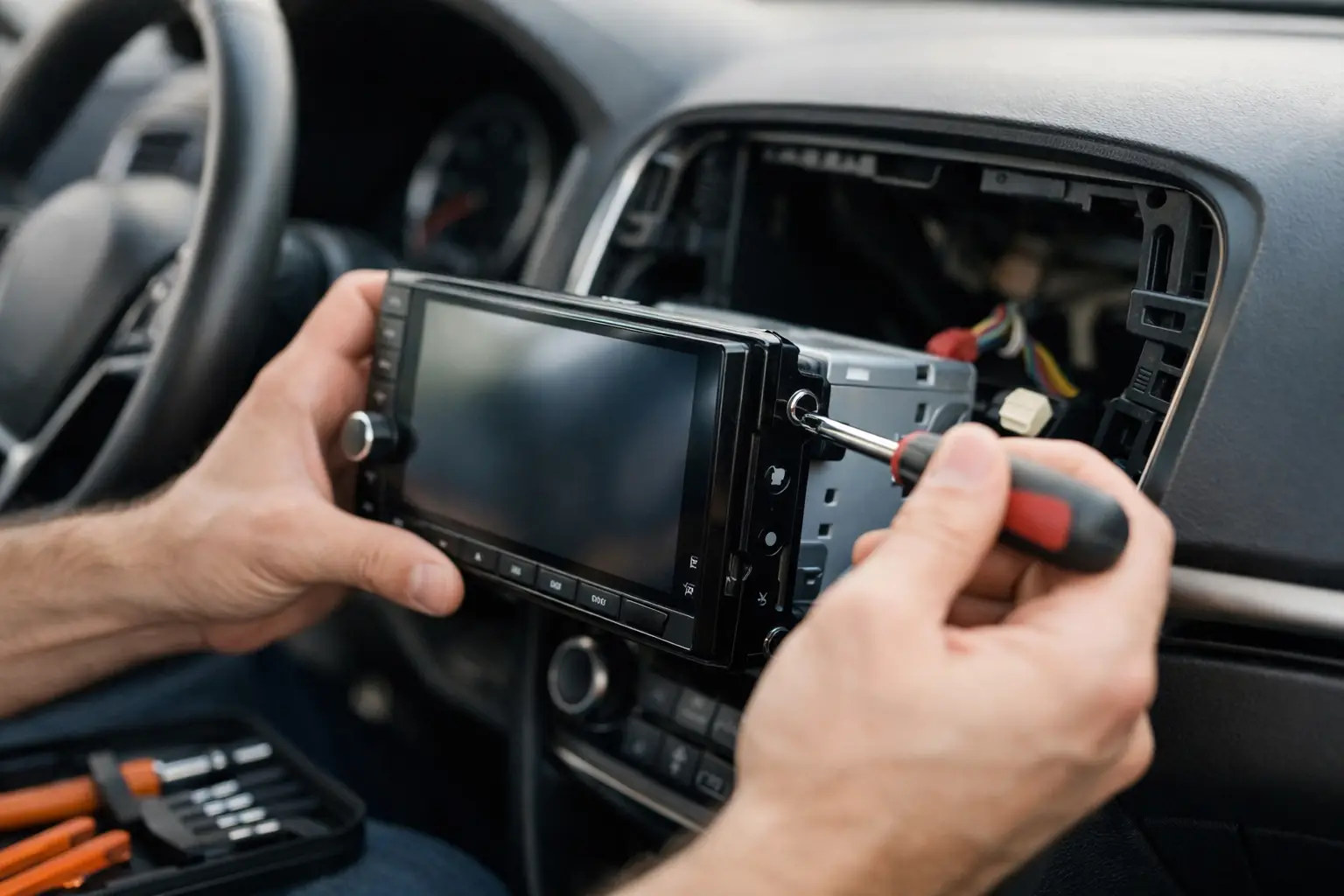
A custom radio can completely change how your car feels the second you turn the key. Better sound, cleaner Bluetooth calling, Apple CarPlay or Android Auto, backup camera integration, and a dash that actually works the way you want – that is why so many drivers decide to install custom car radio upgrades instead of settling for a factory setup that feels outdated.
The catch is simple: a radio swap is not just a radio swap anymore. In older vehicles, the job can be straightforward. In newer cars, the head unit often talks to steering wheel controls, factory amplifiers, backup cameras, USB ports, warning chimes, and vehicle settings. Get the parts or wiring wrong, and you can end up with poor sound, lost features, battery drain, or a dash that looks hacked together.
What to know before you install custom car radio gear
The first question is not which radio looks best. It is what your vehicle can support and what you actually want the system to do.
Some drivers only want modern connectivity. They are tired of weak factory Bluetooth, limited inputs, or no smartphone integration at all. Others want stronger audio performance with upgraded speakers, amplifiers, and subwoofers. Those are two very different jobs, even if both start with a new radio.
Vehicle fitment matters just as much as features. A single-DIN radio may fit one dash opening, while another vehicle needs a double-DIN unit or a custom dash kit. Some cars need a data interface to retain factory features. Others need amplifier integration modules or special antenna adapters. If you skip those details, the install may power on, but it will not perform the way it should.
This is where experience makes a real difference. The cleanest installations are planned as systems, not random parts thrown together.
Choosing the right custom radio for your car
A lot of buyers focus on screen size first. That makes sense because the screen is what you see every day, but it should not be the only factor.
Sound quality depends on preamp voltage, tuning controls, crossover options, and compatibility with the rest of the system. If you plan to add amps later, you want a head unit that gives you room to grow. If you use your phone for everything, fast and stable CarPlay or Android Auto may matter more than flashy graphics. If you drive a work truck or older daily driver, simple controls and reliability may beat a giant touchscreen.
There is also the question of factory integration. In some vehicles, replacing the radio can remove convenience features unless the right modules are installed. That can include steering wheel audio controls, factory reverse cameras, parking sensors, door chimes, and on-screen climate information. A good install protects the features you already paid for while adding the ones you actually want.
That balance is where custom work earns its name. The best setup is not always the most expensive radio. It is the one that fits the vehicle, matches the driver, and leaves the dash looking factory-clean.
The parts that make or break a radio installation
When people think about a custom car radio install, they usually picture the radio itself. In reality, the supporting parts do a lot of the heavy lifting.
A proper dash kit keeps the new unit secure and visually clean. A vehicle-specific wiring harness helps avoid cutting into factory wiring when it is not necessary. Integration modules handle retained accessory power, warning tones, steering wheel controls, and communication with the car’s electronics. Antenna adapters, USB retention parts, camera interfaces, and amplifier bypass or integration harnesses may also be required.
These pieces are not glamorous, but they are the difference between a system that feels professionally built and one that feels temporary. A great head unit installed with the wrong support parts can still create noise, glitches, or feature loss.
That is also why online advice can be hit or miss. A forum post from someone with a base-model trim may not apply to your premium-audio package. The same vehicle year can have multiple radio configurations, and one missing module can change the job entirely.
How the install process really works
If you are planning to install custom car radio equipment, the work usually starts with careful disassembly of the dash trim, not brute force. Modern interiors hide clips, fasteners, and trim pieces in ways that can crack easily if rushed.
Once the factory unit is out, the wiring side becomes the main event. The new radio harness needs to match power, ground, speaker outputs, accessory circuits, illumination, and any data-controlled features your car uses. In many builds, the installer also has to program or configure an interface module so retained features function correctly.
After wiring is connected, everything should be tested before the dash goes back together. That includes sound from every speaker, Bluetooth calling, smartphone projection, steering wheel controls, radio reception, reverse camera operation, and amplifier turn-on if the vehicle has external amps. This test phase matters because it is much easier to fix an issue before the dash is fully reassembled.
The final step is fit and finish. The radio should sit flush, trim should align correctly, and nothing should rattle. A custom upgrade should look intentional, not like an afterthought.
DIY vs professional installation
There are definitely vehicles where a confident DIY installer can do a solid job. Older cars with basic wiring and standard dash openings are usually more forgiving. If you have the right tools, wiring knowledge, and patience, a simple radio replacement can be manageable.
But newer vehicles raise the stakes. Integrated electronics, factory data networks, premium sound packages, and safety features make mistakes more expensive. One wiring error can lead to blown fuses, parasitic battery drain, lost accessory functions, or damaged components.
There is also the craftsmanship factor. Clean wire management, secure mounting, noise prevention, and proper interface setup are not always visible in a photo, but they show up later in how the system performs. Professional installation is not just about getting power to the screen. It is about making sure the entire setup works day after day, in heat, vibration, and real driving conditions.
For many drivers, the best value is having the job done once and done right.
Common problems after a custom radio install
If a radio install goes wrong, the symptoms can range from annoying to serious. Some owners notice engine whine through the speakers, weak FM reception, random shutdowns, or steering wheel buttons that stop responding. Others lose factory camera feeds or discover their premium sound system suddenly sounds worse than stock.
A lot of these issues trace back to skipped integration parts, poor grounds, low-quality connections, or rushed setup. Sometimes the radio itself is fine, but the surrounding system was not matched correctly to the vehicle. That is why diagnosis matters just as much as installation.
It also explains why cheap installs often become expensive corrections. Saving money up front does not help much if the dash has to come apart twice.
When a custom radio should be part of a bigger upgrade
In some vehicles, replacing the head unit is the perfect standalone improvement. In others, it is only the first step.
If your factory speakers are weak, a better radio may help, but it will not completely transform the system on its own. If you want stronger bass, cleaner volume at highway speeds, or more detail across the whole soundstage, speakers, amps, and subwoofers should be considered as part of the plan. The same goes for adding a backup camera, LED lighting, security features, or custom integration that ties the whole vehicle together.
That bigger-picture approach is where a full-service shop has an edge. Instead of treating the radio as an isolated part, the upgrade can be designed around how you use the vehicle every day – commuting, road trips, work use, family hauling, or weekend cruising.
At Tint Station, that mindset is the difference between a generic install and a system that feels built for your ride.
Is it worth it to install a custom car radio?
For most drivers, yes – if the install is matched to the car and the expectations are realistic.
A quality custom radio can modernize an older vehicle, improve convenience, clean up phone connectivity, and create the foundation for much better audio. It can also add practical value through camera integration and better control of media and navigation. But there are trade-offs. Some vehicles need extra parts, labor can be more involved than expected, and the cheapest route is rarely the smoothest one.
The smart move is to start with your goals. Do you want better tech, better sound, or both? Do you care most about factory-style appearance, maximum performance, or retaining every original feature? Once those answers are clear, the right radio and install plan usually become much easier to define.
A custom car radio should make your vehicle feel more like yours every time you drive it. If you are going to upgrade the center of your dash, make it count with parts that fit, wiring that is done cleanly, and craftsmanship that holds up long after the first song plays.