
RV Window Tinting That Actually Pays Off
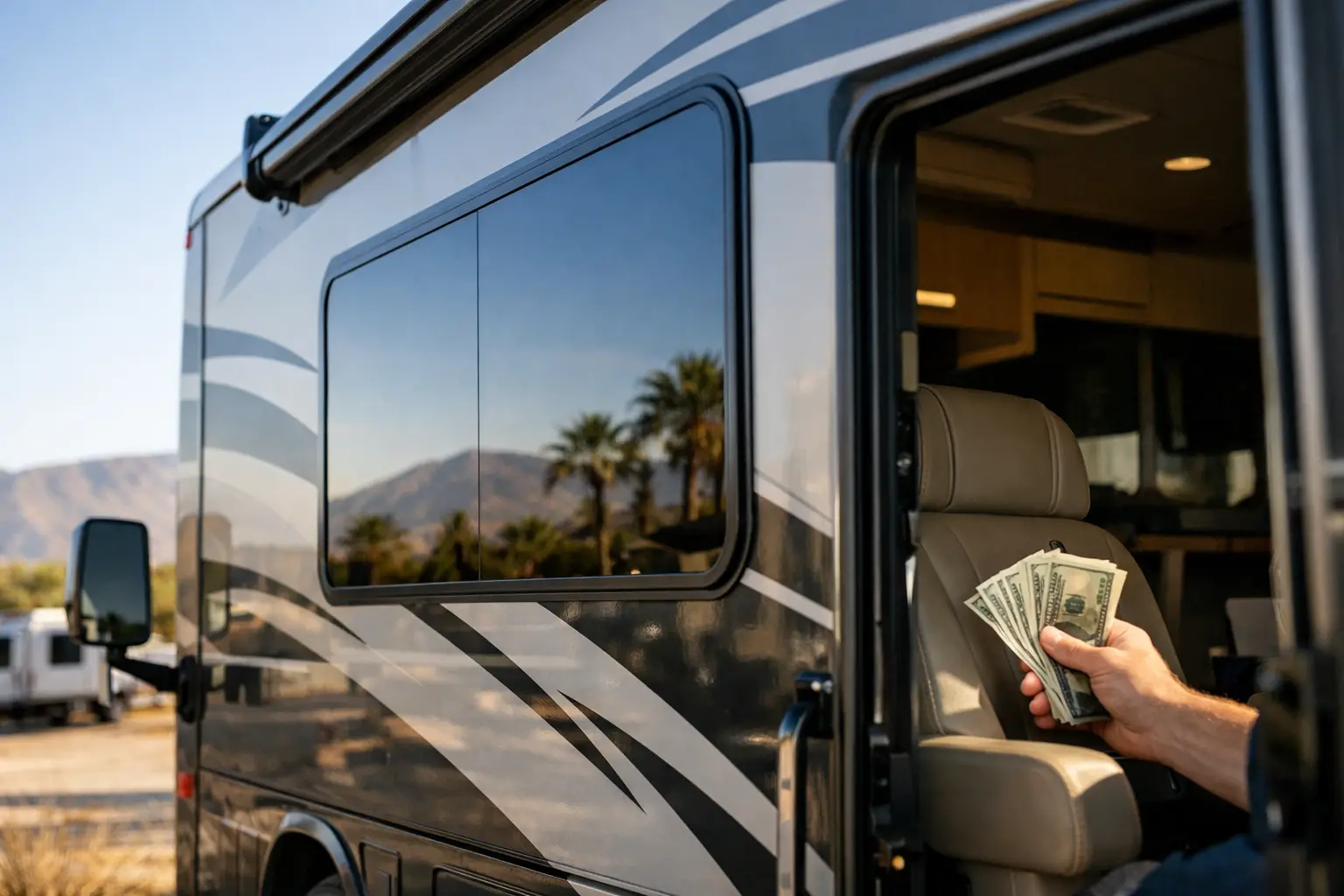
Park an RV in South Florida for one afternoon and you feel the problem fast. The sun pounds through the glass, the cabin heats up, glare takes over, and every surface near a window starts taking abuse. RV window tinting is one of those upgrades that looks simple from the outside but changes daily comfort in a big way when it is done right.
For RV owners, this is not just about dark glass or curb appeal. It is about making long drives easier on your eyes, keeping interior temperatures more manageable, protecting upholstery from fading, and getting better privacy at campgrounds, storage lots, and roadside stops. The right film can make your rig feel more refined and more livable without changing how you use it.
Why RV window tinting matters more than many owners expect
An RV has more glass than most daily drivers, and that changes the equation. Large windshields, oversized side windows, and living area glass let in a lot of natural light, but they also invite in heat, UV exposure, and glare. When you are traveling or parked for hours, those effects stack up.
That extra heat means your AC has to work harder. That glare can make driving more tiring, especially on long highway stretches or when the sun hits at the wrong angle. UV exposure does slow damage over time, fading fabrics, drying out trim, and aging interior materials faster than many people realize. Even if you already use shades or curtains, tint adds a layer of protection those accessories cannot fully replace.
Privacy matters too. RV owners often carry more valuables in plain sight than a standard vehicle owner – electronics, gear, bedding, tools, and personal belongings. Window film will not turn your RV into a vault, but it does make it harder for people to casually look in.
What RV window tinting can actually do
A quality film installation can improve comfort in a few ways at once. Heat rejection is usually the biggest draw. Not every film blocks the same amount of solar energy, so results depend heavily on the product, the glass, and the areas being tinted. Still, many owners notice a difference almost immediately, especially on side windows and living space glass.
Glare reduction is another major win. This helps on the road and while parked. If you work remotely from your RV, watch TV during the day, or just want to sit inside without squinting, tint can make the interior much more usable.
Then there is UV protection. Many premium films block a very high percentage of harmful UV rays, which helps protect skin and slows down fading on seats, flooring, curtains, and cabinetry. That matters even more on a coach you plan to keep for years.
Aesthetics are part of the conversation too. Good tint gives an RV a cleaner, more finished look. It can sharpen the exterior appearance without looking overdone, especially when the film shade matches the style of the rig.
Not all tint films are the same
This is where many RV owners either get a great result or waste money. If you are shopping based on price alone, you will probably end up with a film that underperforms, fades, turns purple, or does not hold up to the heat.
Dyed film is usually the budget option. It can improve appearance and cut some glare, but it is not always the strongest choice for serious heat rejection, especially in a hot climate. Metalized film offers better heat performance in many cases, but it can sometimes interfere with electronics, signals, or onboard devices depending on the setup.
Ceramic film is often the premium move for RV window tinting because it delivers strong heat rejection, excellent UV protection, and clear visibility without needing to go extremely dark. That matters for owners who want performance more than just a smoked look. It usually costs more up front, but it tends to make the most sense for rigs exposed to heavy sun and long travel days.
The best option depends on your RV, how you use it, where you travel, and what matters most to you. If your priority is maximum privacy, your film choice may be different than someone focused on preserving visibility while cutting cabin heat.
The legal side depends on the window
This part matters more on RVs than people think. Tint laws vary by state, and RVs can fall into slightly different conversations depending on the vehicle class and window location. The windshield and front driver area usually have stricter rules than rear passenger or living area windows.
That means the darkest possible film is not automatically the smartest option. A professional installer should help you stay within legal limits where required while still improving comfort and appearance. That is especially important if your RV crosses state lines regularly, which most do.
There is also a practical side beyond the law. Super dark film is not always ideal for visibility at night, especially on larger vehicles that already require more awareness when backing up, changing lanes, or navigating tight spaces.
DIY vs professional RV window tinting
Plenty of RV owners are handy. That does not mean window film is always a good DIY project.
RV glass can be large, curved, or awkwardly positioned. Getting a clean install without dust, creases, bubbles, light gaps, or contamination is harder than it looks. Add in the size of the panels and the challenge goes up fast. A bad install will show every day, and low-quality film can fail early in the exact conditions that make tint valuable in the first place.
Professional installation is usually worth it for RVs because the job is less forgiving than tinting a small side window on a car. Fit, heat shrinking, edge finishing, and film selection all matter. A pro can also help you decide which windows should be tinted, which film type makes sense, and how dark to go without hurting visibility or creating legal issues.
If your RV is a serious investment, the glass should be treated like one.
Which RV windows should you tint?
Not every owner needs every piece of glass tinted the same way. The best setup often depends on whether your RV is mostly used for weekend trips, long-distance travel, seasonal camping, or full-time living.
Front side windows are important for glare and driver comfort, but they need careful attention to legal limits and nighttime visibility. Windshields are a separate category and often limited to a strip at the top, depending on local rules.
Living area windows usually offer the biggest comfort gain because they are where heat builds up while parked. Bedroom windows are often a privacy priority. Large rear windows can also benefit from glare reduction and a more finished look.
This is where a custom approach beats a one-size-fits-all package. Some owners want maximum daytime privacy. Others want heat rejection with a lighter film that keeps the cabin bright and open. The right plan should match how you actually use the rig.
What to expect after installation
Fresh tint needs time to cure. Depending on the film and weather conditions, you may notice a slightly hazy look or small moisture pockets at first. That is normal in many cases and usually clears as the film settles.
You will also want to avoid cleaning the glass too aggressively right away. Once cured, maintenance is simple – use tint-safe cleaning products and soft materials, not harsh chemicals or abrasive pads.
The real payoff shows up in daily use. The cabin feels less punishing in the sun. The interior stays better protected. The RV looks sharper. And if you chose the right film, you get those benefits without turning the inside into a cave.
Is RV window tinting worth it?
For most owners, yes – but only if the film quality and install quality are there.
If you rarely travel, keep the RV covered, and only use it in mild weather, the return may feel smaller. But if your rig spends time in Florida sun, sits at open campgrounds, or doubles as a serious travel setup, tint is one of the more practical comfort upgrades you can make. It affects how the RV looks, how it feels, and how well the interior holds up over time.
That is why this upgrade works best when it is approached as a performance decision, not just a cosmetic one. A cheap film can give you the look. The right film gives you the look, the comfort, and the protection.
At a shop that understands customization, RV tint should never be treated like an afterthought. The best result comes from matching the film to the vehicle, the climate, and the owner. If you are investing in your rig, do it in a way that improves every mile and every stop.
A cooler cabin, less glare, and more privacy may not sound dramatic on paper, but on the road and at the campsite, those are the upgrades you feel every single day.