
Backup Camera Installation Near Me Guide
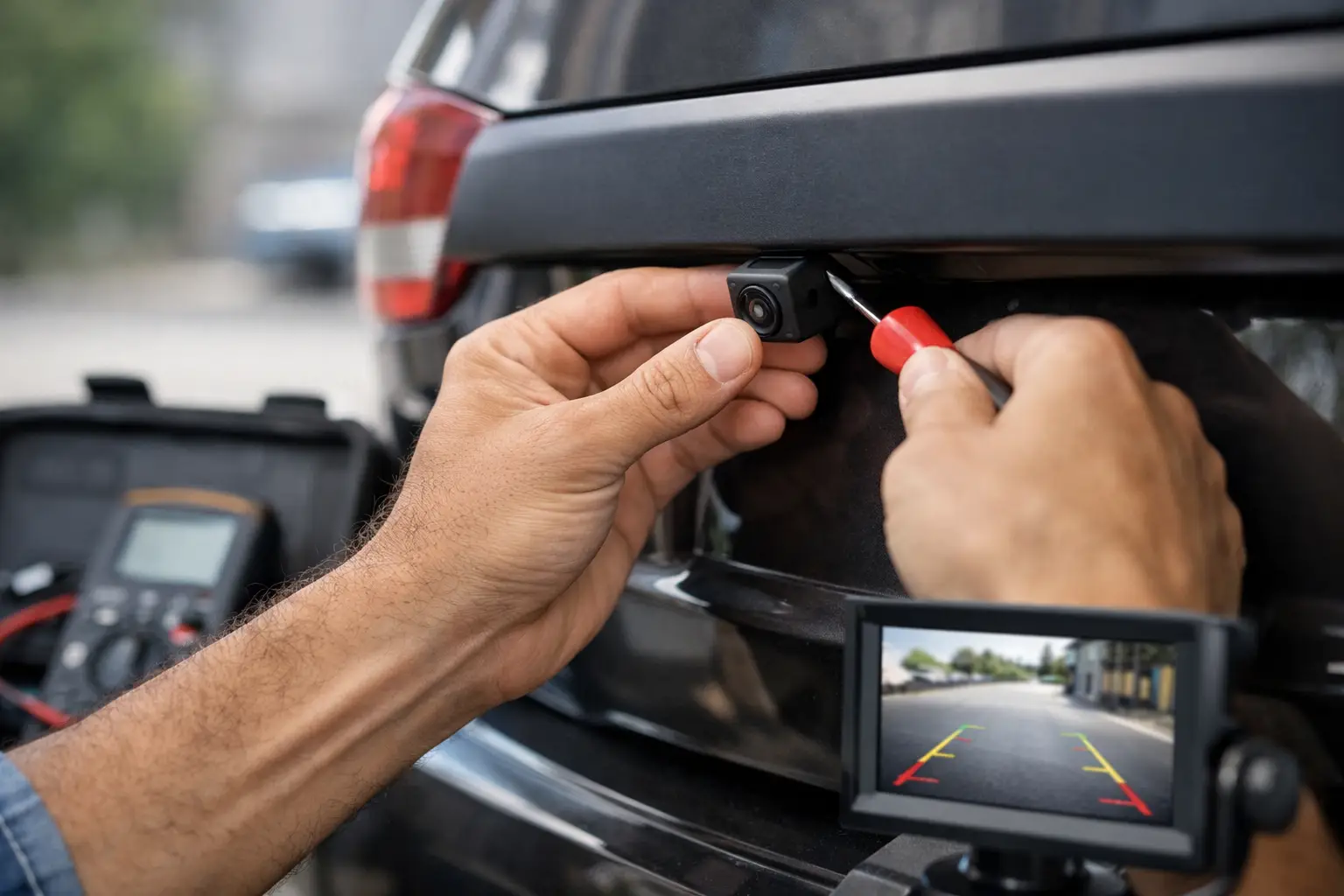
That low wall behind your SUV, the shopping cart drifting through a parking lot, the bike that appears right as you shift into reverse – those are the moments when people start searching for backup camera installation near me. Not because it sounds like a flashy upgrade, but because it solves a real problem fast. A good camera setup gives you more confidence in tight spaces, better visibility in bad weather or low light, and a cleaner daily driving experience.
The catch is this: not every backup camera install is the same. The camera itself matters, but the real difference usually comes down to how it’s integrated into your vehicle. A clean install should feel factory, work every time, and avoid the headaches that come with cheap wiring, weak mounting, or screens that look like an afterthought.
What to Expect From Backup Camera Installation Near Me
If you’re comparing local shops, you’re really comparing more than labor. You’re comparing fitment knowledge, wiring quality, product options, and whether the installer understands your vehicle well enough to make the system look and perform like it belongs there.
Some vehicles are straightforward. A camera can be mounted near the license plate, wired cleanly to an aftermarket screen or compatible factory display, and calibrated with minimal modification. Others take more planning. Trucks, vans, older cars, lifted vehicles, and custom builds often need a more tailored approach because cable routing, mounting angles, and screen integration can vary a lot.
That’s why the best local installation experience usually starts with a conversation, not a one-size-fits-all package. A professional shop should ask what you drive, whether you already have a compatible head unit, where you want the image displayed, and whether you want basic rear visibility or a more advanced parking setup.
The Right Camera Setup Depends on Your Vehicle
A backup camera is simple in theory, but there are a few different ways to build the system. If your car already has an aftermarket radio with a video input, installation may be pretty clean and cost-effective. In that case, the camera feeds directly to the screen you already use, and the system can trigger automatically when the vehicle goes into reverse.
If your vehicle still has the factory radio, it depends on whether that screen supports camera integration. Some factory systems can accept an added camera with the right interface. Some cannot. When that happens, the better option might be a radio upgrade, a replacement rearview mirror monitor, or a dedicated display that blends in without cluttering the dash.
Camera placement matters too. License plate frame cameras are common and practical. Flush-mount cameras can look more custom, but they usually require drilling and more exact positioning. Tailgate handle cameras are popular on trucks because they look cleaner and often provide a better viewing angle. The right choice depends on your vehicle, your budget, and how factory you want the final result to look.
Basic camera or fully integrated upgrade?
For some drivers, a simple rear camera is enough. You shift into reverse, the image pops up, and you back up with more confidence. For others, it makes sense to combine the camera with a larger touchscreen, parking sensors, or a full audio and electronics upgrade.
That’s where working with a customization-focused shop has a real advantage. If your dash setup is outdated, your screen is too small, or your current radio is already on its way out, combining services can deliver a better result than patching one feature at a time.
Why Professional Installation Beats DIY
There are plenty of backup camera kits online, and some of them look easy enough on paper. The issue is what happens after the box is opened. Interior panels need to come apart without damage. Wiring has to be routed through trim, hatch areas, or tailgates. Power and trigger wires need to be connected correctly. And if the image is noisy, delayed, crooked, or unreliable, the system stops being helpful.
A professional install is about more than making it turn on. It’s about protecting the vehicle while the work is done, avoiding exposed wires, securing everything against vibration, and making sure the camera angle is actually useful instead of pointed too high or too low.
In South Florida especially, heat and moisture are part of the equation. Cheap components and sloppy connections fail faster in that environment. A well-installed system should be built to handle daily driving, weather exposure, and years of regular use.
Signs of a quality install
When the job is done right, you should notice what you do not see. No dangling wires. No loose trim panels. No random monitor stuck in a place that blocks your view. Reverse engagement should trigger the camera quickly, the image should be clear, and the lens position should help you judge distance without guesswork.
Good installers also think ahead. They route wiring away from pinch points, use proper connections instead of shortcut splices when possible, and mount components with long-term reliability in mind. That kind of work does not just look better on day one. It usually lasts better too.
How Much Backup Camera Installation Costs
Pricing depends on the vehicle and the system you want. A basic install using a standard camera and compatible existing screen will usually cost less than a custom integration into a factory display. Truck installations, vans, luxury vehicles, and custom builds often take more labor, which affects the quote.
The biggest pricing variables are the camera quality, the display solution, and the complexity of the wiring. If you also need a new head unit, that changes the project from a simple add-on to a more complete electronics upgrade. That is not a bad thing – it just means the quote should reflect a system that does more than one job.
This is one area where the cheapest option is not always the best value. If a low quote means generic parts, poor image quality, weak weather sealing, or messy workmanship, you may end up paying twice. A properly installed camera should feel like money well spent every time you back out of a driveway or crowded parking spot.
How to Choose the Right Local Shop
When you search for backup camera installation near me, focus on shops that already do vehicle electronics every day. Backup camera work overlaps with stereo installation, dash integration, wiring, custom mounting, and factory system compatibility. A shop that lives in that world is usually better equipped than a general repair place trying to add electronics on the side.
Look for a business that asks detailed questions before quoting. They should want to know your year, make, and model, how you use the vehicle, and what kind of finish you want. If the conversation is rushed or the answer to everything is a universal kit, that is usually a sign the install may be generic too.
It also helps to choose a shop that understands upgrades as a system. Maybe you came in for a camera, but you also want a cleaner screen, better audio, parking assistance, or a more customized interior tech setup. A specialist shop can build around your goals instead of treating the camera like a standalone bolt-on.
A Backup Camera Is a Safety Upgrade, But It’s Also a Daily Use Upgrade
People often frame backup cameras as safety equipment, and that’s true. They help you spot obstacles, reduce blind spots, and make reversing less stressful. But they’re also one of those upgrades you appreciate constantly because they remove friction from everyday driving.
If you drive a truck, a family SUV, a work van, or an older car without factory camera tech, the difference is immediate. Tight parking spots feel easier. Trailer positioning gets more manageable. You spend less time twisting around in the seat trying to guess what’s behind you.
For drivers who care about both function and finish, the install quality matters just as much as the feature itself. The right setup should work hard without looking slapped together.
When It Makes Sense to Upgrade More Than the Camera
Sometimes a backup camera solves the problem by itself. Sometimes it reveals that the rest of the in-car tech is overdue for attention. If your factory radio is dated, your screen is tiny, or your dash lacks modern connectivity, pairing the camera with a new multimedia receiver can make the whole vehicle feel newer.
That approach also gives you more flexibility. A better screen can improve visibility, touch response, and overall integration. If you are already paying for trim removal and wiring access, bundling upgrades can be the smarter move depending on the vehicle.
A shop like Tint Station can help you build that kind of package the right way – not by overselling, but by matching the install to how you actually drive and what you want out of the vehicle.
If you’re searching locally, the best move is simple: find a shop that treats backup camera installation like real craftsmanship, not a quick add-on. The right camera should make reversing easier, look clean in the vehicle, and earn its keep every single day.