
Remote Start Installation Cost Explained
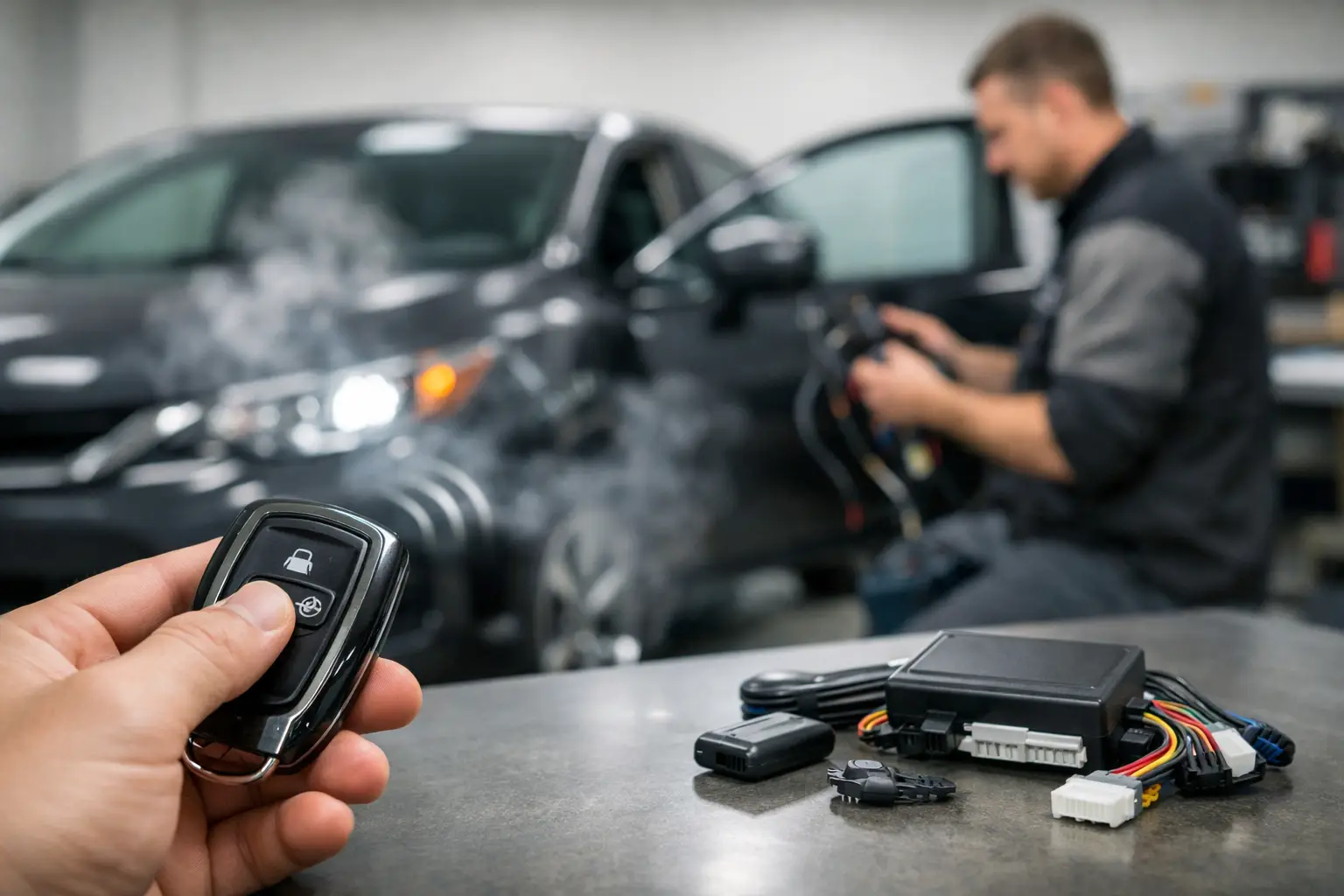
Sticker shock usually hits when someone sees a remote start online for one price, then gets a very different installed quote from a shop. That gap is where most of the confusion around remote start installation cost starts. The truth is simple – the hardware is only part of the job, and the vehicle itself often determines whether your install is quick and clean or more involved.
If you want your car to start reliably from the key fob or your phone, without electrical issues, warning lights, or hacked-up wiring, the installation matters just as much as the product. A properly built system adds convenience, comfort, and in South Florida, a much better experience when the cabin is already cooling down before you even open the door.
What affects remote start installation cost?
The biggest factor is the vehicle. Some cars are straightforward and use data-controlled systems that integrate cleanly with the right module. Others require more labor, extra interface parts, or more advanced programming to work correctly with factory security, push-button ignition, or transponder keys.
Labor is a major piece of the price because a real installation is not just connecting a few wires. A quality shop has to verify compatibility, remove panels carefully, access ignition and control circuits, make secure connections, program the module, test safety functions, and make sure factory features still behave the way they should. If your vehicle has a more complex electrical architecture, that process takes longer, and the quote reflects it.
The remote itself also changes the price. A basic one-way remote start setup costs less than a two-way system with confirmation feedback. Smartphone control, extended range, or integration with factory-style remotes can push the price higher. Those upgrades are worth it for some drivers and unnecessary for others, so this is one of those it depends decisions.
Typical remote start installation cost ranges
For most vehicles, remote start installation cost lands somewhere between a few hundred dollars and well over $1,000 installed. On the lower end, you are usually looking at a more basic system on a vehicle with simple compatibility and fewer installation challenges. On the higher end, you may be dealing with a newer vehicle, push-to-start operation, a required bypass or data module, long-range remotes, or smartphone control.
A realistic basic installed range is often around $300 to $600 for entry-level setups on compatible vehicles. Mid-range systems with better remotes, more range, or vehicle-specific integration commonly fall in the $500 to $800 range. Premium setups can run $800 to $1,200 or more when advanced modules, smart app control, and more complex labor come into play.
That is why two people can both ask for remote start and get very different prices. One may drive an older sedan with a simple key ignition. The other may have a late-model SUV with encrypted electronics, factory immobilizer systems, and push-button start. Same request, very different job.
Why vehicle compatibility changes everything
Modern vehicles are smarter, but they are not always easier to upgrade. Many newer cars use anti-theft systems and networked electronics that require a dedicated interface module to allow remote start operation without compromising security. That module is not optional in many cases. It is the piece that helps the vehicle recognize authorized startup commands.
Push-to-start vehicles can be more expensive, but not always. Some integrate well with the right system. Others need extra parts and more setup time. Manual transmission vehicles also require special handling because safety is critical. If the system is not designed and installed correctly, you are creating risk, and that is not where you want shortcuts.
Diesel vehicles, European vehicles, hybrids, and luxury brands can each bring their own complications. Delayed crank timing, unique immobilizer systems, and specialized electronics all affect installation time and total cost. This is one reason experienced electronics shops ask for the exact year, make, model, trim, and ignition type before they quote anything.
Cheap installs usually get expensive later
Everyone likes a deal, but remote start is one of those upgrades where bargain pricing can backfire fast. A low quote sometimes means low-grade hardware, poor wiring practices, or an installer who is guessing through the job. That can lead to intermittent starting problems, battery drain, warning lights, rattling trim, reduced range, or factory functions that stop working like they should.
Good installation work is mostly invisible. Panels go back on cleanly. Wiring is secured and protected. Programming is correct. The system works consistently. You are not chasing strange electrical issues two months later. That level of work has value, especially on newer vehicles where mistakes can get expensive.
A professional quote may look higher at first, but it often includes the right module, proper programming, labor backed by experience, and the confidence that the system was built for your vehicle instead of forced into it.
Add-ons that raise the price
Some upgrades make remote start more useful, especially if you want your vehicle electronics to work as one clean package instead of a pile of separate accessories. Smartphone control is a popular one because it lets you start the vehicle from much farther away than a standard remote. That convenience comes at a higher equipment cost and may include subscription fees depending on the platform.
Long-range remotes are another common add-on. If you park far from your office, condo, or jobsite, the extra distance can be worth every dollar. Heated seat activation, rear defroster control, security integration, and keyless entry can also be bundled into the install. Those extras increase price, but they also increase daily value.
If you are already planning other electronics work, it can make sense to talk through the whole build at once. A shop that handles alarms, lighting, audio, and vehicle electronics under one roof can often recommend a cleaner overall setup than piecing upgrades together over time.
Is DIY worth it?
For most drivers, no. Not because it is impossible, but because modern vehicles leave very little room for error. If you have advanced electrical experience, wiring diagrams, proper tools, and the ability to program modules, you may be able to tackle certain applications. For everyone else, the risk usually outweighs the savings.
The hidden cost of DIY is not just time. It is replacing broken trim clips, troubleshooting no-start conditions, dealing with immobilizer conflicts, or paying a shop later to undo bad connections. In many cases, a professional install is the cheaper move once you factor in what can go wrong.
How to get an accurate quote
The fastest way to get a real number is to provide full vehicle details and be clear about how you want to use the system. Year, make, model, trim, ignition type, and whether you want basic remote start, long-range remotes, factory remote integration, or phone control all matter.
It also helps to ask what is included. Does the quote cover the interface module, programming, labor, and all required parts? Is there a warranty on the product and the installation? Will the system retain factory features? These questions tell you a lot about the quality of the job before any panels come off your vehicle.
A good shop should also explain trade-offs. Maybe your vehicle can use the factory key fob for a cleaner, lower-cost setup. Maybe a dedicated two-way remote is better for your parking situation. Maybe app control is overkill. The right answer is not always the most expensive one. It is the one that fits how you actually drive.
When remote start makes the most sense
Remote start is not just a luxury add-on for show cars. It is one of the most practical upgrades for daily drivers, work trucks, family SUVs, and anyone who wants the cabin comfortable before getting in. In hot climates, that means less time stepping into an oven. In colder regions, it means warming the vehicle before the commute.
It is also a strong fit for drivers already investing in comfort and convenience upgrades. If you care about cleaner installs, better electronics, and making your vehicle work harder for you, this upgrade earns its keep. Shops like Tint Station see that firsthand because customers rarely want just a gadget. They want a better overall driving experience.
The smart move is to treat remote start like any serious vehicle electronics upgrade. Focus less on the cheapest number and more on compatibility, craftsmanship, and how you plan to use it every day. Get the right setup the first time, and the cost feels a lot smaller the first morning your car is already comfortable before you even reach the door.