
Underglow Lights for Cars Done Right
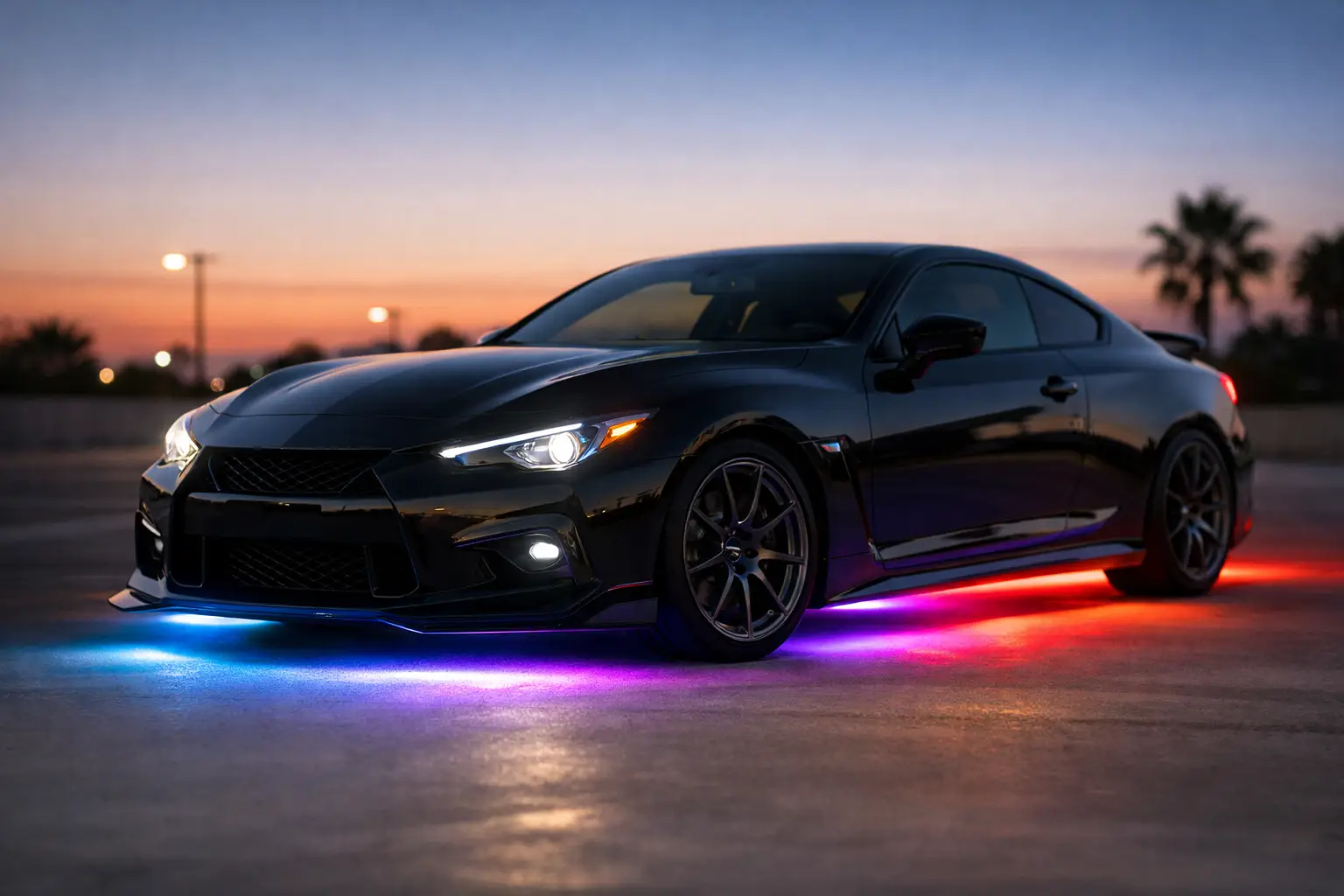
A clean set of underglow can make an average car look finished. Not louder, not gimmicky – finished. When underglow lights for cars are chosen well and installed correctly, they add depth, color, and presence without turning your vehicle into a rolling light show for the wrong reasons.
That difference matters. A lot of people love the look of underbody lighting, but they have the same concerns: Will it look cheap? Is it legal? Will it hold up in rain, heat, and road debris? Those are the right questions, because underglow is one of those upgrades that either looks custom or looks rushed.
Why underglow still works
Underglow has been around long enough to go through every phase – trend, backlash, comeback, and now a more refined custom era. The biggest reason it still works is simple: it changes the stance and visual footprint of the vehicle at night. Instead of only seeing headlights, taillights, and body lines, you get a glow that outlines the shape of the car and makes it stand out from every other vehicle in the lot.
The best setups do not overpower the build. They support it. On a dark-colored sedan, a cool white or soft blue underglow can sharpen the lines. On a truck or Jeep, it can add a more aggressive custom feel. On a show car, color-changing LEDs can tie together wheels, interior lighting, audio upgrades, and even a wrapped exterior.
That is where good taste comes in. More light is not always better. Brighter is not always cleaner. The goal is balance.
Choosing underglow lights for cars
Not all lighting kits are worth installing. If you are shopping based on price alone, you will usually see the trade-off later in uneven brightness, weak adhesive, bad waterproofing, or app controls that stop working after a few months.
A quality underglow system should have strong weather resistance, stable color output, durable housing, and wiring that can handle real road conditions. South Florida heat, rain, road spray, and everyday driving are not forgiving. If a kit is built like an afterthought, it will not stay looking sharp for long.
There is also the question of LED type. Single-color kits are straightforward and usually a good fit for drivers who want a clean, consistent look. RGB and multicolor kits give you flexibility, but that flexibility needs restraint. If you want a premium result, your lighting should match the personality of the build rather than show off every color mode the controller can produce.
Single-color vs. RGB kits
Single-color underglow is often the better choice for drivers who want a subtle custom look. White, blue, or amber can look crisp when paired with the right vehicle. It is simpler to operate, and there is less temptation to overdo it.
RGB kits are more versatile. They let you switch colors, create scenes, and sometimes sync with music or interior lighting. That can be a great option if your vehicle is already heavily customized or if you want one setup that can shift from daily-driver clean to weekend show-ready. The trade-off is that cheaper RGB systems can look inconsistent, especially if the brightness varies from side to side.
Hardwired vs. plug-and-play
Plug-and-play kits sound convenient, but convenience is not the same as quality. A hardwired installation usually gives you a cleaner finish, better reliability, and safer power management. Loose wires, exposed connections, and quick shortcuts are exactly what lead to flickering lights, dead sections, or electrical headaches later.
A professional install also matters because placement changes everything. The lights should not be obvious from normal standing height. You want the glow, not the strips.
Where underglow looks best
Most people picture full underbody coverage, and that is still the standard. Front, sides, and rear lighting create the complete floating effect. But the right setup depends on the vehicle and the goal.
A lower sedan or coupe usually benefits from an even, close-to-ground glow that hugs the body. Trucks and lifted vehicles need more attention to positioning because the extra height can expose the hardware if it is not mounted carefully. On performance builds, underglow often looks best when it complements other upgrades like wheels, suspension, tinted glass, smoked lighting, or interior LEDs.
This is why custom planning beats generic kits every time. The best lighting setup is the one that fits your ride, not the one copied from a random product photo.
Are underglow lights for cars legal?
This is the question that should come before the install, not after it.
Laws on underglow vary by state and sometimes by how the lights are used. In general, restrictions usually involve color, flashing patterns, and whether the lighting could be mistaken for emergency vehicle lights. Blue and red are the biggest problem areas in many places, and flashing or strobing effects are more likely to attract attention from law enforcement than a steady, tasteful glow.
The practical answer is that legality depends on your location and your setup. A system that is fine at a car meet may not be ideal for daily driving. If you want underglow for street use, it makes sense to build around legal, low-drama color choices and controlled brightness.
That does not mean the setup has to be boring. It means smart customization wins. A sharp look that keeps you out of trouble is better than a flashy install you end up turning off all the time.
Why installation quality makes or breaks it
Underglow lives in one of the harshest areas of the vehicle. It deals with water, heat, dirt, vibration, curbs, speed bumps, and whatever the road throws at it. That is why installation is not just about making the lights turn on. It is about making them last.
A good install starts with secure mounting and proper surface prep. Then it moves to protected wiring routes, weather-sealed connections, clean power integration, and controller placement that is accessible without being in the way. If any part of that is rushed, the system may work on day one and fail when conditions get real.
Professional installation also helps the vehicle keep a factory-level feel. No hanging wires, no hacked-up panels, no mystery switches shoved under the dash. Just clean control, consistent lighting, and a finish that feels like it belongs on the vehicle.
For customers already upgrading tint, audio, security, or interior LEDs, underglow is often best handled as part of the full customization plan. That way, everything works together visually and electrically.
Getting the look right
The biggest mistake with underglow is treating it like the whole build. It should support the vehicle, not compete with it.
If your car already has dark tint, black wheels, and a clean exterior, a subtle underglow can bring the whole package together at night. If your vehicle is louder by design – custom paint, aftermarket audio, show setup, aggressive wheel fitment – then a more dynamic lighting package might make sense. But even then, consistency matters.
Color choice should feel intentional. Bright purple on one build may look perfect and completely wrong on another. White can look premium, but on some vehicles it can also be too stark. Blue is popular, but local laws may affect how practical it is. Green, red, and multicolor effects can work for events, though they are often harder to pull off on a daily driver without crossing into novelty.
This is one of those upgrades where less often looks more expensive.
Is underglow worth it?
If you care about customization, presence, and making your vehicle feel more like your own, yes – underglow can absolutely be worth it. The key is being honest about what you want.
If you want a quick visual upgrade and do not mind replacing cheap parts later, there are basic kits for that. If you want a clean, durable, professionally integrated lighting setup that actually adds to the build, you need better components and a better install. That costs more up front, but it usually saves frustration.
For a lot of drivers, underglow makes the most sense when it is part of a bigger vision. Pair it with window tint, interior lighting, audio work, or a full appearance upgrade, and the vehicle starts to feel complete instead of pieced together. That is usually where the best custom results happen.
If you are thinking about underglow, start with the end result you actually want. Not the cheapest kit. Not the loudest color mode. The look. Once that is clear, the right setup is a lot easier to build.