
Does Window Tint Reduce Glare? What to Expect
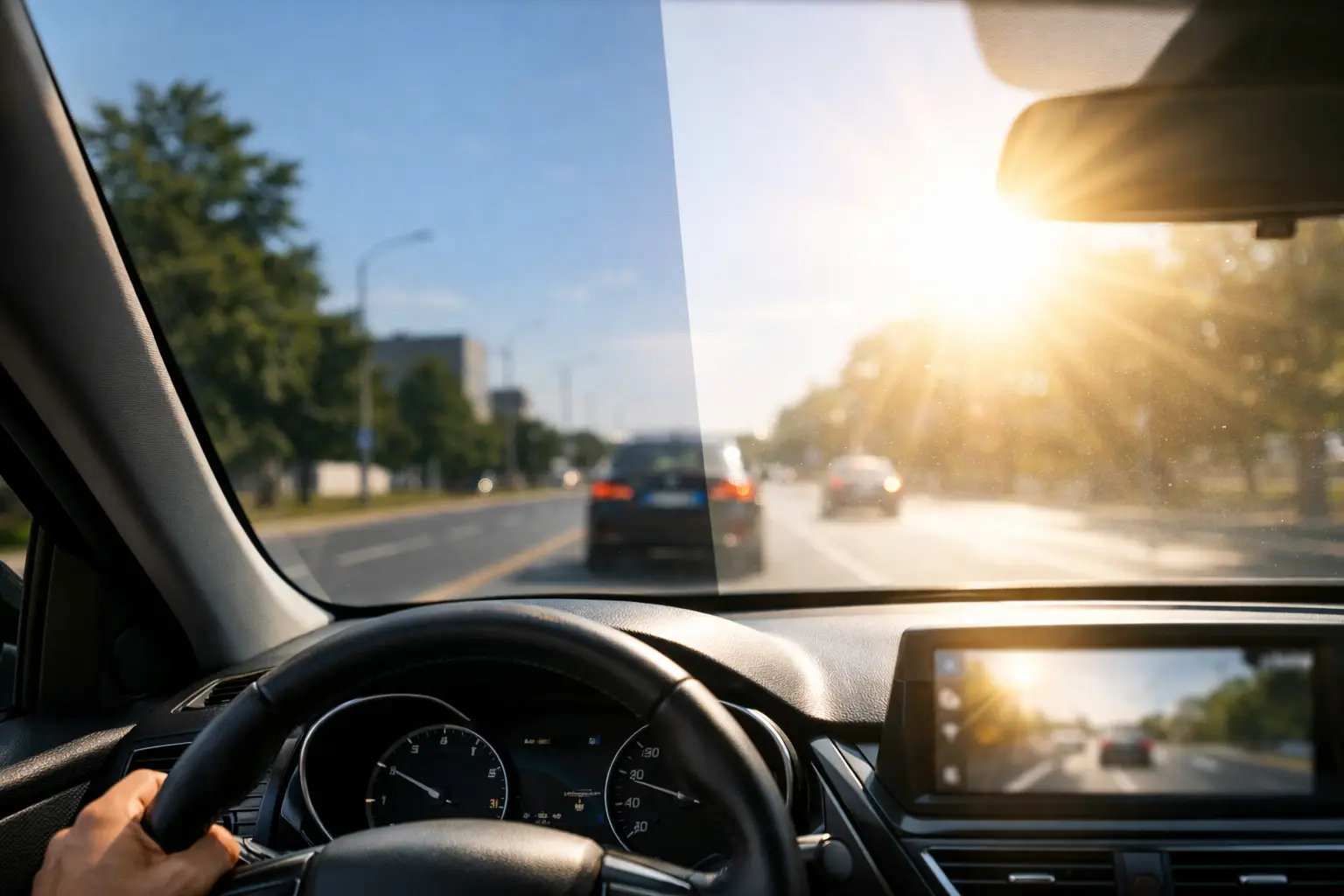
The late-afternoon sun hits low, bounces off the hood of the car ahead, and suddenly every drive feels like a squint test. Does window tint reduce glare? Yes, quality window film can make a noticeable difference by filtering part of the visible light that creates eye strain and distracting reflections. But the result depends on the film, the glass being tinted, and how dark you can legally go.
For South Florida drivers, glare is not a small seasonal annoyance. Bright sun, wet roads, white concrete, windshields, and water all create intense reflected light. The right tint setup can make the cabin more comfortable and the road easier to read without turning your vehicle into a dark cave.
How Window Tint Reduces Glare
Glare happens when light is brighter than your eyes can comfortably process. Direct sunlight is one cause, but reflected light is often the bigger problem. Sun bouncing off another vehicle, a chrome bumper, the road after rain, or the water near the coast can wash out contrast and force your eyes to work harder.
Window tint reduces glare by lowering the amount of visible light entering through the side and rear glass. Less intense light reaches your eyes, which can make it easier to see mirrors, dashboard displays, traffic signals, and the edges of the road. It also helps reduce the harsh contrast between a bright exterior and your shaded interior.
Tint will not eliminate every glare source. If the sun is directly in front of you, your windshield and visor still do most of the work. But tinted side windows can dramatically reduce the blast of light coming from the left or right, especially during morning and evening commutes.
Does Window Tint Reduce Glare on Every Window?
The answer changes depending on which piece of glass you are talking about. Side and rear windows are where automotive tint delivers the most obvious glare control because these windows can usually receive darker film than the windshield.
Side Windows
Tinted front and rear side windows reduce light entering from the sides, where sun can be especially distracting at low angles. This is useful for daily commuters, parents with passengers in the back seat, rideshare drivers, and anyone who spends time on open South Florida roads.
A properly selected film can also cut down reflections on interior trim and infotainment screens. If you have upgraded audio, custom LED accents, or a clean show-style interior, reducing reflected sunlight helps you actually see and enjoy the work.
Rear Glass
Rear window tint can help with glare from headlights, bright vehicles behind you, and reflected sunlight. It can make the rearview mirror more comfortable to use in bright conditions, although an auto-dimming mirror is still a valuable addition for nighttime driving.
Windshield
Windshield tint laws are more restrictive than laws for other windows, and for good reason. Your windshield is your primary viewing area, so overly dark film can affect visibility in rain, at night, or in low-light conditions.
In many areas, a legal windshield sun strip across the top is the practical option. It helps block high-angle sun without interfering with your forward view. Clear, high-performance windshield films may also be available for heat and UV reduction, but they do not produce the same visible glare reduction as a darker side-window film. A professional installer can explain what works within applicable local rules.
Shade Matters, but It Is Not the Whole Story
Most people start by asking for a percentage. That number refers to visible light transmission, commonly called VLT. A lower VLT number means a darker-looking film. For example, 5% tint lets in far less visible light than 35% tint.
Darker tint generally reduces more visible glare, but going darker is not automatically the best choice. A very dark film may feel great in harsh daylight yet make it harder to see pedestrians, curbs, bicycles, and side mirrors after sunset. It can also create legal issues if the shade does not comply with state or local requirements.
The best choice is usually a balance of glare control, nighttime visibility, privacy, style, and legal compliance. Many drivers find that a medium shade delivers a major comfort upgrade without making night driving feel compromised. Others need different shades on the front and rear windows based on their vehicle, driving habits, and privacy goals.
Film Technology Makes a Real Difference
Not all window tint performs the same way. Cheap dyed film can darken glass, but it may fade, discolor, bubble, or provide inconsistent performance over time. Premium film is engineered to deliver a cleaner look and stronger long-term results.
Dyed film is often the entry-level choice for drivers who primarily want a darker appearance and basic glare reduction. Carbon film offers a richer black finish and typically resists fading better. Ceramic tint is the premium option for customers who want serious heat rejection, UV protection, and glare management without relying only on an ultra-dark shade.
Ceramic film is especially popular in Florida because it can reject significant solar heat while maintaining a more usable VLT. That means you may be able to choose a legal, moderate shade and still get a noticeable comfort upgrade. It is also a smart option for modern vehicles loaded with electronics because quality ceramic films are non-metallic and generally do not interfere with GPS, mobile signal, keyless entry, or radio reception.
What Tint Can and Cannot Do for Eye Comfort
Window tint can reduce the harshness of sunlight and reflected brightness, but it is not a substitute for sunglasses in extreme conditions. Polarized sunglasses can be useful for some drivers, though they may make certain LCD displays harder to see depending on the screen angle.
It also cannot fix a dirty windshield, worn wiper blades, haze on the inside of the glass, or a scratched windshield. Those issues scatter light and can make glare feel worse, particularly at night. If nighttime glare is your main concern, clean glass and good wipers should be part of the solution.
For drivers sensitive to light, tint can make long trips feel less fatiguing. Less squinting and less constant adjustment between bright and dark areas can help your eyes stay more relaxed. That is a comfort benefit, but it also supports better focus behind the wheel.
Choosing Tint for Your Driving Style
Your ideal tint setup should match where and when you drive. A vehicle used mainly for daytime commuting around Deerfield Beach may benefit from a different setup than a weekend show truck, a family SUV, or a work fleet that runs before sunrise and after dark.
Consider how often you drive at night, whether you park outdoors, how much privacy you want, and whether rear-seat passengers need extra protection from bright sun. Think about your vehicle’s interior, too. Light-colored leather and large glass areas can reflect a surprising amount of sunlight into the cabin.
A professional consultation is worth it because film samples look different against different factory glass, interior colors, and exterior paint colors. A shade that looks perfect on a black truck may feel too dark on a light-interior sedan. Experienced installers can also identify vehicles with tight seals, curved rear glass, complex defroster lines, or advanced driver-assistance cameras that deserve extra care during installation.
Professional Installation Protects the Result
Glare reduction only feels premium when the tint looks premium. Clean edges, proper film shrinking, careful prep, and attention around sensors and defroster lines matter just as much as selecting the right product.
A rushed installation can leave contamination, creases, lifting edges, or poor visibility through the rear glass. Those flaws are not just cosmetic. They can become distracting when sunlight hits them at the wrong angle.
Tint Station helps drivers build a tint package around real needs, whether that means cooler daily commutes, added privacy, reduced glare for rear-seat passengers, or a sharper custom look. The goal is not simply darker glass. It is a cleaner, more comfortable vehicle that still works for the way you drive.
If glare has you reaching for the visor every few minutes, the right film can change the feel of every trip. Bring in your vehicle, compare shades in person, and choose a legal, high-quality tint that makes bright South Florida days easier on your eyes.