
How to Maintain Vinyl Wraps the Right Way
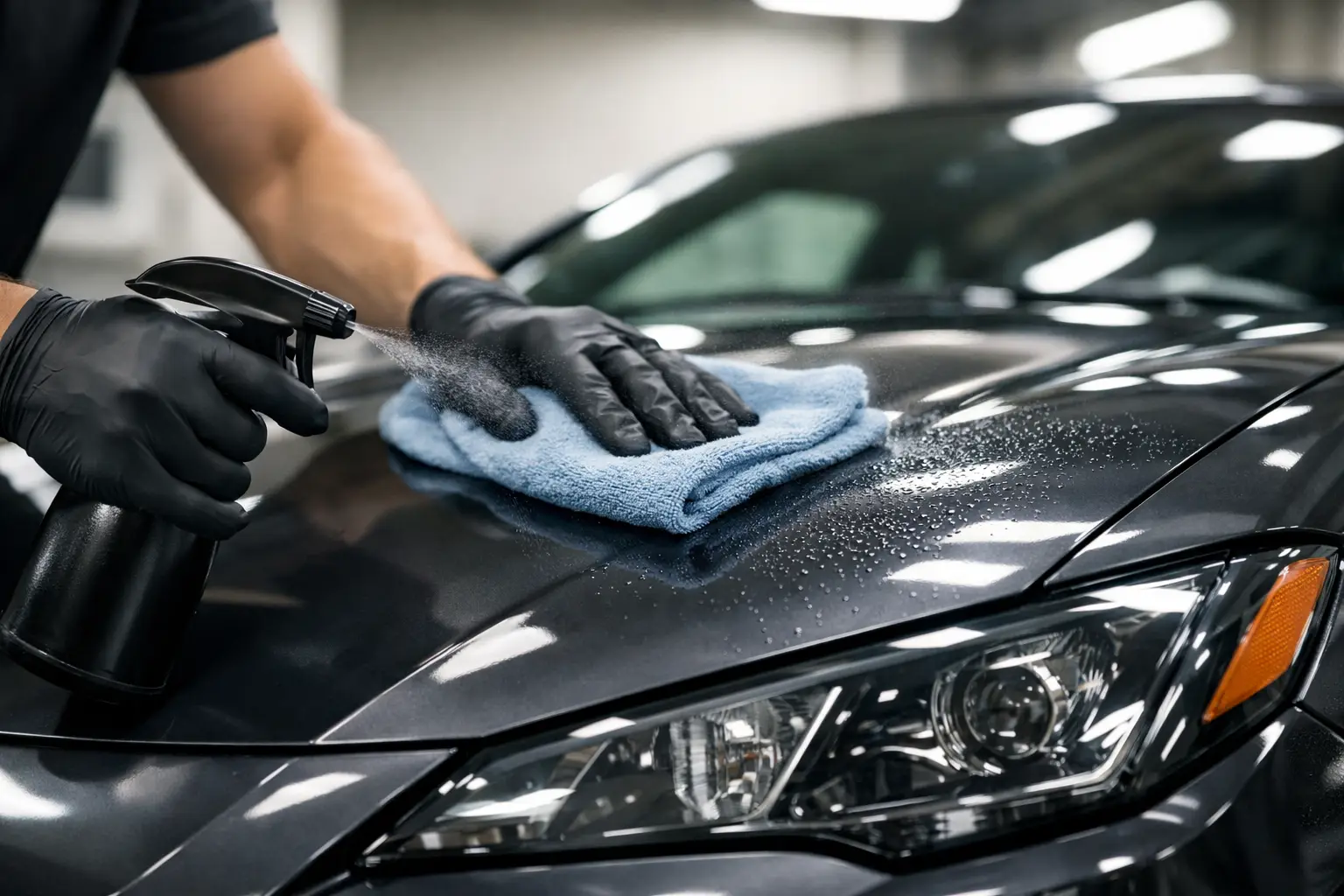
A fresh wrap can make a car, truck, boat, or powersports build look absolutely dialed in. But once that finish is on, the next question is the one that matters long term – how to maintain vinyl wraps so they keep their color, gloss, and edge detail instead of fading early or lifting at the seams.
The good news is that wrap care is not complicated. The bad news is that a lot of owners accidentally shorten the life of their wrap with habits that seem harmless, like automatic car washes, harsh chemicals, or letting bird droppings bake on the surface in South Florida sun. If you invested in a custom look, proper maintenance is what protects that investment.
How to Maintain Vinyl Wraps After Installation
The first few days matter more than most people realize. Right after installation, the vinyl and adhesive need time to settle. That means you should avoid washing the vehicle immediately unless your installer gives you specific instructions otherwise. In most cases, waiting about a week is the safe move.
During that early period, keep an eye on the wrap but do not poke, press, or trim anything yourself. A small edge that looks different on day two may settle normally, and trying to fix it in your driveway can turn a minor issue into a real repair. If something looks off, reach back out to the shop that installed it.
It also helps to think about parking from day one. Shade is your friend. A wrapped vehicle parked outside all day in direct UV exposure will age faster than one kept in a garage, under cover, or at least rotated away from constant sun exposure. Heat does not automatically ruin wraps, but it does accelerate wear over time.
Washing Matters More Than Most Owners Think
If you want the short answer on how to maintain vinyl wraps, here it is: wash gently, wash consistently, and do not let contaminants sit.
Hand washing is the best method for most wrapped surfaces. Use water, a mild automotive soap that is safe for wraps, and a soft microfiber mitt or cloth. Rinse first to remove loose grit, then wash with light pressure. You are not trying to scrub the color into the material. You are trying to lift dirt off without grinding it across the film.
That last part is where people get into trouble. Wrapped surfaces can scratch more easily than factory paint, especially matte, satin, chrome, and specialty finishes. If the vehicle is muddy or dusty, do not go straight in with a towel. Rinse thoroughly first.
Automatic car washes are usually a bad bet, especially the brush-style kind. Those spinning brushes can mark the film, catch edges, and dull the finish. Touchless washes are less risky, but they are still not always ideal because some use strong detergents that can be rough on the wrap. If touchless is your only option, use it sparingly and avoid wash packages loaded with wax or shine chemicals not made for vinyl.
Drying the Wrap Without Damaging It
Drying sounds simple until water spots show up on a black hood or matte roof wrap. After washing, use a clean microfiber drying towel and blot or lightly drag it across the surface. If you have access to filtered air or a blower, that can help push water out of seams, around emblems, and along panel edges.
Hard wiping is where a lot of swirl marks and light scratches start. This is especially noticeable on dark gloss wraps and premium color-shift films. Take a little extra time here and the finish will stay sharper.
If you live near the coast or drive around salt air regularly, drying matters even more. Residue left sitting in edges and creases can add up over time, especially on boats, trucks, and daily drivers exposed to tough conditions.
What to Remove Fast
Some contaminants are more aggressive than basic road dust. Bird droppings, bug splatter, tree sap, fuel spills, and road tar should be cleaned off as soon as possible. On a hot day, these can stain or etch a wrap faster than most people expect.
Use warm soapy water and a soft microfiber towel first. Let the area soak a bit if needed instead of scraping at it. For stubborn spots, use a wrap-safe cleaner recommended for vinyl surfaces. The key is patience. If you attack the stain with a rough pad, strong solvent, or a fingernail, you can damage the film trying to save it.
Gas stations are another common trouble spot. If fuel drips onto a wrapped panel, wipe it off quickly. Most wraps can handle occasional exposure if cleaned promptly, but letting fuel sit is not worth the gamble.
How to Maintain Vinyl Wraps on Matte and Satin Finishes
Matte and satin wraps look incredible when they are clean, but they need a little more discipline. You cannot treat them like gloss paint and expect the same result.
The biggest mistake is using products meant to add shine. Traditional waxes, polishing compounds, and gloss enhancers can change the appearance of a matte or satin wrap and leave uneven patches. Once that finish gets altered, it is hard to reverse. Use only care products labeled safe for matte or satin vinyl.
You also need to be more careful with spot cleaning. Rubbing one area too aggressively can create a shiny section that stands out against the rest of the panel. On these finishes, gentle and even cleaning is the move every time.
What Products to Avoid
Not every detailing product belongs on a wrapped vehicle. Strong solvents, abrasive compounds, ceramic products not designed for vinyl, and petroleum-heavy cleaners can all cause problems. Even products that work fine on paint may be too harsh for film.
As a rule, avoid anything with heavy abrasives or anything that promises paint correction through polishing. Vinyl is not corrected the same way paint is. If the wrap gets scratched or stained badly enough, replacement may be the better fix.
Pressure washers fall into the same it-depends category. They are not automatically off-limits, but they can do damage if used wrong. Keep the pressure moderate, maintain distance, and never aim directly at seams or edges. The closer and sharper the spray angle, the higher the chance of lifting the film.
Protection Helps, but the Right Kind
A lot of owners ask whether wraps need wax. Usually, no – at least not in the traditional sense. What wraps benefit from is a vinyl-safe protectant that helps resist UV exposure, grime buildup, and water spotting.
Some wraps can also be coated, but that only makes sense if the coating is specifically made for vinyl and applied correctly. This is one of those areas where marketing gets loud and reality is more specific. A coating can help with maintenance, but it is not magic. It will not stop rock chips, fix poor washing habits, or make a wrap last forever in brutal sun.
For high-use vehicles, fleets, boats, and enthusiast builds, a maintenance plan makes more sense than a one-time miracle product. Clean it right, protect it with wrap-safe products, and check it regularly.
Watch the Edges and Problem Areas
Most wrap failures start in predictable spots: mirrors, door edges, bumpers, recessed channels, around handles, and low front-end surfaces that take constant abuse. These areas deserve a quick visual check when you wash the vehicle.
If you notice lifting, bubbling, or contamination creeping under an edge, do not ignore it for a month. Small issues are easier to address early. Heat, water, and road grime will only make them worse.
This is especially true for commercial vehicles and daily drivers that rack up highway miles. A wrap is tough, but it is still a surface material exposed to the real world. If the vehicle sees constant sun, construction dust, bug impact, or salt air, it needs more frequent attention than a garage-kept weekend car.
Storage and Everyday Habits Make a Difference
Good wrap care is not just about wash day. It is also about what happens between washes.
Whenever possible, park indoors or in shaded areas. If that is not realistic, even using covered parking part of the time can reduce long-term UV stress. Try not to leave the vehicle dirty for extended periods, especially after storms, road trips, or beach runs.
Be careful with magnets, suction-mounted accessories, and anything adhesive stuck on top of the wrap. These can mark the surface, trap moisture, or pull at the film when removed. Snow and ice are less of a South Florida issue, but for owners tied to Michigan or traveling north, avoid scraping wrapped panels aggressively in winter.
The best-looking wraps are rarely the ones with the fanciest products. They are the ones owned by people who stay ahead of the basics. If you want your vehicle to keep turning heads instead of showing its age early, treat the wrap like a premium finish, not an afterthought. And if something does not look right, get a pro to inspect it before a small cosmetic issue turns into a full panel redo.