
How to Customize a Motorcycle the Right Way
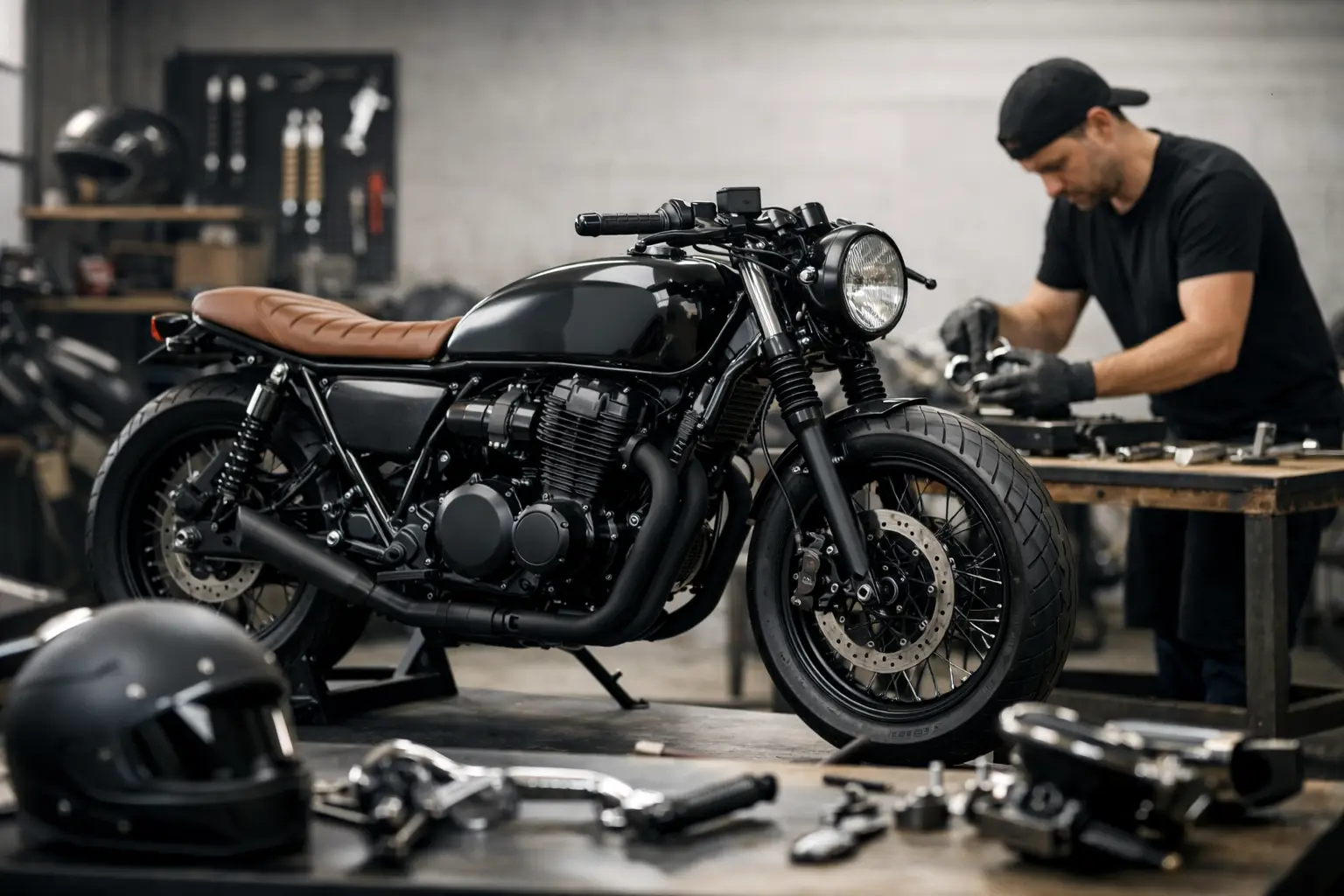
A clean bike with zero personality is easy to spot in a parking lot. So is a custom build that went too far, too fast, and turned into a wiring mess, a rough ride, or a headache at registration time. If you’re figuring out how to customize a motorcycle, the goal is not to bolt on random parts. It’s to build a bike that looks right, rides right, and fits the way you actually use it.
That could mean sharper lighting, more comfort on longer rides, cleaner audio, better storage, a custom seat, or a full visual refresh with wraps and accents. The best custom motorcycles are not just louder or flashier. They feel intentional.
Start with a plan before you buy parts
The fastest way to waste money is to customize without a clear direction. Before ordering anything, decide what you want your bike to do better. Some riders want a more aggressive stance. Others want comfort, visibility, security, or better electronics. Those are very different builds, and they should not be approached the same way.
A cruiser set up for weekend rides needs different upgrades than a bagger built for long highway miles. A sport bike can benefit from appearance work and lighting, but daily riders may care more about practical changes like phone mounts, charging, and security add-ons. If you use your motorcycle around South Florida, heat, sun exposure, and weather resistance also matter more than people think.
Budget matters too. A smart custom plan usually starts with one of three priorities – looks, comfort, or function. You can absolutely combine them, but it helps to know which one leads the build.
How to customize a motorcycle without hurting ride quality
A lot of riders focus on appearance first, which makes sense. Visual upgrades give you the fastest transformation. But if the parts don’t fit well, add too much weight, or create electrical issues, the bike can end up worse than stock.
That is why good customization starts with compatibility and installation quality. Cheap lighting kits, poorly routed wiring, low-grade adhesive trim, and off-brand electronics can cause problems that show up weeks later. Water intrusion, vibration failures, dead batteries, and flickering lights are all common when corners get cut.
Professional installation makes a difference here, especially when the upgrade involves lighting, audio, security systems, or custom electrical work. Those details are easy to overlook until something stops working on the road.
Pick upgrades that match how you ride
If you mostly cruise locally, visual impact and comfort may be the priority. A custom seat, LED lighting, accent pieces, and handlebar changes can make the bike feel more personal without changing its core ride characteristics.
If you tour or commute, think beyond cosmetics. Wind protection, storage solutions, charging ports, better sound, and ergonomic changes can improve every ride. For some motorcycles, even a small seat upgrade or a better speaker setup does more for owner satisfaction than a long list of cosmetic parts.
There is always a trade-off. Lower bars may look cleaner but feel worse on long rides. Extra lighting improves visibility and style, but it needs to be wired correctly and legally. Saddlebags add utility, but they change the bike’s profile. Good customization is about choosing the trade-offs you actually want.
The most popular motorcycle customization upgrades
Some upgrades keep showing up because they work. Lighting is one of the biggest. LED headlight swaps, accent lighting, underglow, and integrated turn signals can dramatically update the look of a bike while also improving visibility. The key is clean installation and a layout that looks intentional rather than overloaded.
Seats are another high-impact change. A custom seat can shift the whole feel of the motorcycle, both visually and physically. Material choice, stitching, shape, and padding all matter. Riders who spend real time on their bikes usually appreciate this upgrade more than they expect.
Audio and electronics are a major category too, especially on touring bikes and larger cruisers. Upgraded speakers, Bluetooth integration, phone connectivity, and handlebar controls can make the ride more enjoyable if the system is designed for outdoor use and road vibration. This is one area where experience counts, because motorcycles do not forgive sloppy audio installs.
Visual customization is where personality really comes through. Wraps, decals, painted accents, smoked lens treatments, blacked-out trim, and color-matched components can give a bike a custom look without requiring a full teardown. Done right, these upgrades sharpen the bike’s identity instead of making it look pieced together.
Style matters, but so does comfort
One of the biggest mistakes riders make is building for photos instead of real-world use. A bike can look incredible at a stop and still be annoying every time you ride it. That usually happens when style upgrades come with no thought for seating position, vibration, visibility, or weather exposure.
Comfort changes do not have to make the bike boring. A better seat, upgraded grips, adjusted bars, improved floorboards or pegs, and a smarter windshield setup can all blend into a custom look. In many cases, the best builds are the ones where the comfort upgrades are almost invisible until you spend an hour in the saddle.
This is especially true for riders who deal with regular heat and sunlight. Materials fade. Surfaces get hot. Adhesives fail if they are low quality. If you are customizing for a climate like South Florida, outdoor durability should be part of the decision, not an afterthought.
How to customize a motorcycle with lighting and electronics
Lighting and electronics are where custom bikes either look premium or look problematic. Modern upgrades can absolutely transform a motorcycle, but they need to be integrated with the bike’s electrical system instead of forced onto it.
Accent lighting should highlight the bike’s lines, not overpower them. Clean switch placement matters. Wire routing matters. So does water resistance. The same goes for sound systems, alarms, GPS units, charging ports, and Bluetooth accessories. A great install feels factory-level in how it fits and functions, even when the look is fully custom.
For riders who want the most dramatic before-and-after result, this category often gives the best payoff. A motorcycle with custom LED lighting, upgraded audio, and clean control integration feels more finished than one with a pile of cosmetic parts and no system behind them.
That is where a specialty shop can bring real value. A provider like Tint Station, with experience in vehicle electronics, lighting, custom installs, and appearance upgrades, can help build a package that works together instead of creating separate problems to solve later.
Don’t ignore legal and practical limits
Not every custom idea belongs on a street bike. Lighting color restrictions, turn signal visibility, plate placement, mirror requirements, exhaust laws, and even handlebar height rules can vary. If your motorcycle is street ridden, those details matter.
Insurance can be another factor. Some modifications add value and should be documented. Others may affect coverage if they are not installed properly or disclosed. That does not mean you should avoid customizing. It just means the smartest builds account for real ownership, not just appearance.
Resale is worth considering too. Extreme one-owner style choices can narrow your buyer pool later. More balanced upgrades, especially quality lighting, electronics, upholstery, and clean visual enhancements, usually age better and appeal to more riders.
Build in stages if you want better results
You do not need to do everything at once. In fact, staged customization usually leads to a better motorcycle. Start with the upgrades that change the way the bike feels most – comfort, lighting, electronics, or visual identity. Ride it. Then decide what still feels missing.
This approach keeps you from stacking conflicting parts or chasing a look that does not match the bike. It also helps you spend money where it actually improves ownership. Plenty of riders think they want a full transformation, then realize a few well-chosen upgrades got them exactly what they wanted.
The right custom motorcycle should feel like your bike the moment you walk up to it. Not somebody else’s build copied from a feed, and not a pile of parts installed because they were on sale. If you’re serious about how to customize a motorcycle, think beyond accessories and focus on the full experience – how it looks, how it rides, how it sounds, and how well it holds up. The best build is the one you still love after the first impression wears off.