
Can Tint Improve Car Comfort? Yes – Here’s How
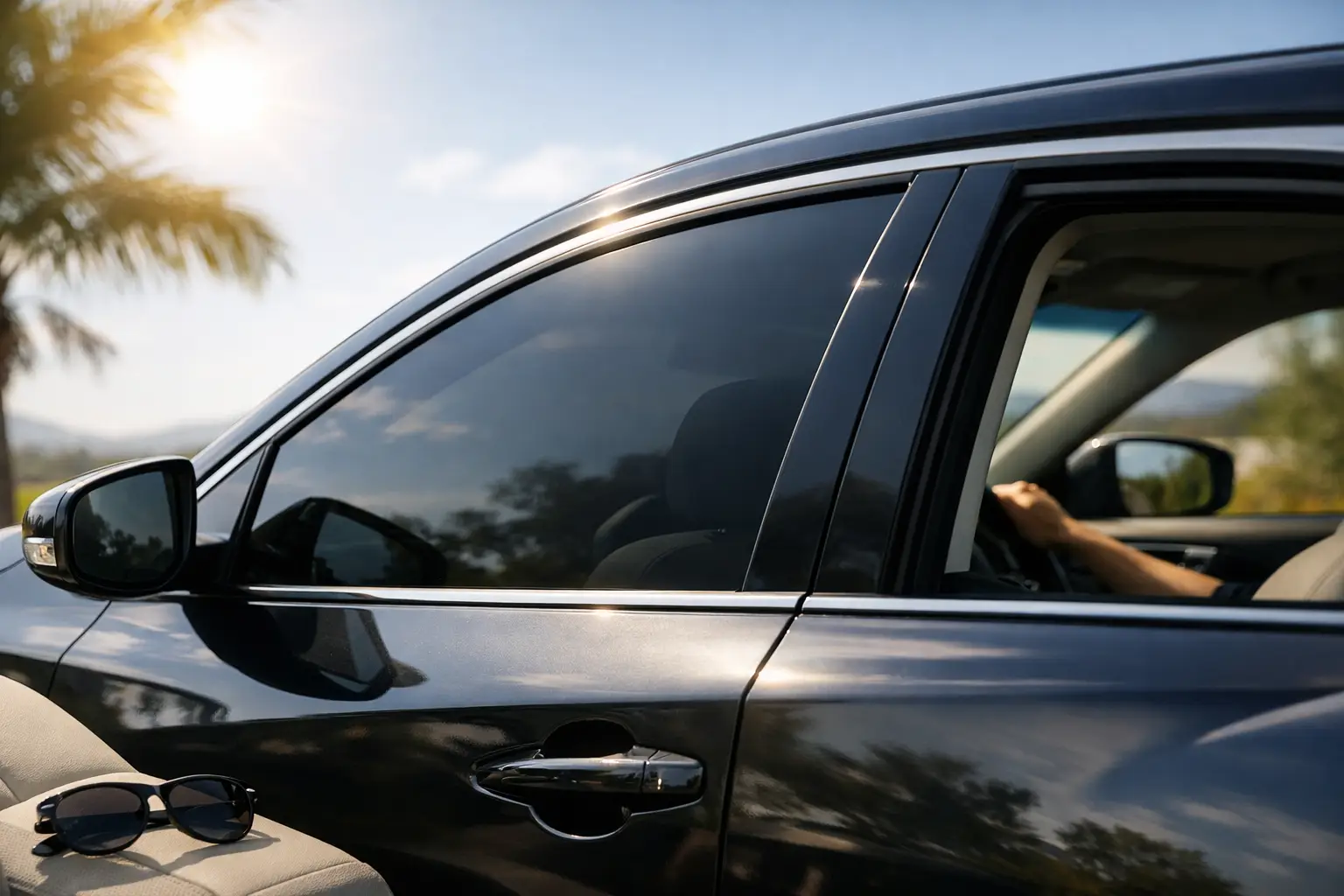
Step into a car that has been baking in the South Florida sun and you get your answer fast. If you have ever grabbed a scorching steering wheel, felt your seatbelt burn your shoulder, or squinted through afternoon glare on I-95, you already know why people ask, can tint improve car comfort? It absolutely can – but the real answer depends on the film, the installation, and what kind of comfort you actually want.
For most drivers, comfort is not one thing. It is cabin temperature, glare control, privacy, skin protection, and how hard your AC has to work just to keep the interior livable. Good window tint improves all of those areas at once. That is why it is one of the few upgrades that changes how your car looks and how it feels every single time you drive it.
Can tint improve car comfort in everyday driving?
Yes, and the biggest difference usually starts with heat. Quality window film helps reduce the amount of solar energy entering the cabin through the glass. That means less heat building up while your car is parked and less heat pouring onto your arms, face, and legs while you are driving.
In a place like Deerfield Beach, that matters. Strong sun, high humidity, and long parking-lot exposure can turn a normal commute into a sweaty one before you even leave the lot. Tint will not make your interior ice cold by itself, and it is not a replacement for a healthy AC system, but it can take the edge off in a big way. Many drivers notice that the cabin cools faster and stays more consistent once the vehicle is tinted properly.
The second major comfort upgrade is glare reduction. Harsh sunlight, reflective pavement, chrome from other vehicles, and low-angle evening sun can all create eye strain. Tint softens that light, which makes driving easier on your eyes and less fatiguing over time. On long commutes or road trips, that can feel like a bigger quality-of-life improvement than people expect.
Then there is UV exposure. A lot of drivers think about UV only in terms of sunburn at the beach, but your car windows let in light that can affect your skin and fade your interior over time. A quality film helps block a high percentage of harmful UV rays. That means more protection for leather, dashboards, trim, and upholstery, and more protection for you on daily drives.
What kind of comfort does window tint actually improve?
The simplest way to think about it is this: tint improves physical comfort, visual comfort, and privacy comfort.
Physical comfort comes from lower heat transfer and less direct sun on your body. If your left arm gets blasted through the driver window every afternoon, tint changes that experience. If your child sits in the back seat with sun hitting one side of their face, tint can help there too.
Visual comfort is all about glare. Your eyes do less work, your visibility feels calmer, and the cabin feels less harsh in bright conditions. That is especially useful for drivers who spend a lot of time on the road for work, drive during sunrise and sunset, or deal with South Florida’s intense midday light.
Privacy comfort is more personal, but it counts. Some people simply feel better when every stoplight is not an invitation for strangers to look straight into the vehicle. Tint gives the cabin a more protected feel. It can make daily errands, parked lunches, and traffic stops feel less exposed.
Not all tint performs the same
This is where a lot of people get tripped up. If you are asking whether tint can improve car comfort, the answer changes depending on the film you choose.
Some films are mostly about appearance. They darken the glass and improve privacy, but their heat rejection can be limited compared with higher-performance options. Better films are engineered to reject more heat and block more UV without forcing you into the darkest look possible.
That matters because darkness and performance are not the same thing. A lighter, premium heat-rejecting film can sometimes outperform a darker, cheaper film where comfort is concerned. So if your goal is to make the cabin feel cooler and less punishing, the smartest move is not just picking the darkest shade. It is choosing the right material for your driving habits, your vehicle, and local tint laws.
Ceramic films are often the go-to choice for drivers who care most about comfort. They are popular because they offer strong heat rejection, excellent UV blocking, and reduced glare without the signal interference issues that can come with some older metallic films. If your vehicle is packed with electronics, navigation, Bluetooth, or mobile devices, that can be a major plus.
Can tint improve car comfort without making the car too dark?
Absolutely. That is one of the biggest misconceptions around window film.
A lot of drivers want the comfort benefits but do not want the car to feel closed in at night or look overly aggressive. The good news is that you can often get meaningful heat and UV rejection without going extremely dark. Modern film technology gives you more flexibility than the old idea of tint being just about shade.
This is where professional guidance matters. The right setup depends on your vehicle type, interior color, windshield exposure, and how you use the car. A black interior absorbs heat differently than a light one. A windshield that gets full afternoon sun creates a different comfort problem than rear side glass alone. A daily commuter needs a different solution than a weekend show car.
Installation quality changes the result
Even the best film on the market will not deliver the right experience if the install is sloppy. Poor installation can lead to bubbling, peeling, contamination, edge lift, and uneven appearance. Beyond the looks, that also affects long-term performance and overall value.
A clean, precise install gives you full coverage, a better finish, and a film that is set up to last. That matters when your tint is supposed to be working every day against sun, heat, and wear. A professional installer also helps you stay legal, which is an important part of comfort too. Nobody wants an upgrade that creates hassle later.
For drivers who want more than a basic tint job, this is where working with a customization-focused shop makes a difference. You are not just buying darker glass. You are dialing in comfort, appearance, privacy, and performance as one package.
The trade-offs to think about
Tint is a high-value upgrade, but it is still worth being honest about the trade-offs.
If you go too dark, nighttime visibility can become less comfortable, especially on poorly lit roads or in heavy rain. If you choose a low-grade film to save money upfront, you may end up dealing with purple fading, weak heat rejection, or early failure. If your expectation is that tint will completely stop your car from heating up in August, you are expecting too much from any film.
The best results come from matching the film to the problem you want to solve. If your biggest issue is heat, prioritize heat rejection. If your biggest issue is glare, choose a setup that addresses bright driving conditions without compromising visibility. If your main goal is privacy and style, make sure you still account for comfort and legal limits.
Is tint worth it for comfort alone?
For many drivers, yes. In hot climates, tint can be one of the most noticeable upgrades you make for day-to-day use. Unlike mods that only matter on weekends or at car shows, tint earns its keep every time you park, drive, or sit in traffic.
It also stacks benefits in a way few upgrades do. Better comfort, less glare, more privacy, UV protection, and a cleaner look all come from the same install. That is why window tint is one of those rare upgrades that feels practical and premium at the same time.
If you are already investing in your vehicle, whether that means appearance upgrades, audio, lighting, or electronics, tint fits right in. It makes the cabin feel more finished. More controlled. More tailored to how you actually live with the vehicle.
At Tint Station, that is how we look at it. Not as a generic add-on, but as a real comfort upgrade that should match the vehicle and the driver.
If your car feels like an oven, your commute leaves you squinting, or your interior is taking a beating from the sun, tint is not just about looks. It is one of the smartest ways to make your vehicle feel better every day – and that is the kind of upgrade you notice long after the install is done.
Related window tinting services from Tint Station