
How to Choose Residential Window Film
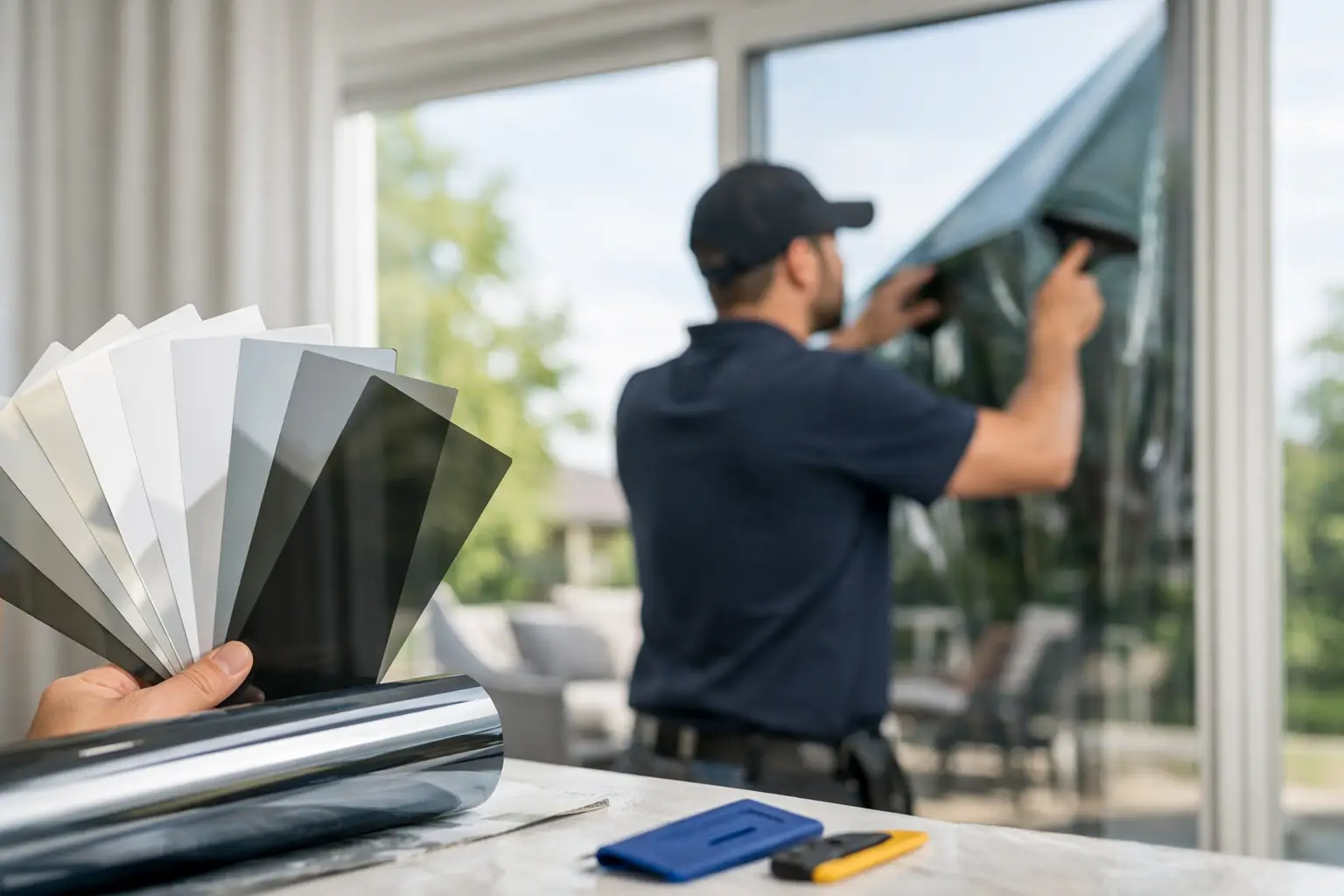
That west-facing living room looks great at 9 a.m. By 3 p.m., it can feel like a greenhouse. If you are trying to choose residential window film, the right pick can make a huge difference in comfort, glare, privacy, and even how hard your AC has to work. The wrong one can leave you disappointed, especially if you bought based on darkness alone.
Home window film is not one-size-fits-all. A bathroom window needs a different solution than a sliding glass door, and a sunny South Florida family room has different demands than a shaded bedroom. The best results come from matching the film to the room, the glass, and what bothers you most.
How to choose residential window film for your home
Start with the problem you actually want to solve. Most homeowners come in asking for “tint,” but that can mean a few different things. Sometimes the goal is heat rejection. Sometimes it is daytime privacy. Sometimes it is cutting UV exposure so floors, furniture, and artwork do not fade as fast. And sometimes it is simply cleaning up the look of the glass while making the home feel more comfortable.
That is why the first question should never be, “How dark should it be?” It should be, “What do you want this window to do better?”
If heat is the issue, especially on large sun-facing windows, look closely at solar control films designed to reject infrared heat and cut glare without making the room feel like a cave. If privacy is the issue, the answer may be a reflective film, a frosted decorative film, or a different glass treatment depending on when and where you need coverage. If your concern is fading, a film with strong UV rejection matters more than visible darkness.
Know the main types of residential window film
The category matters because different films perform in different ways, even when they look similar from inside the house.
Solar control film
This is the go-to option for homeowners dealing with hot rooms, glare on TVs, and constant sun exposure. Solar films are built to reduce heat gain, cut glare, and block a high percentage of harmful UV rays. Some are more reflective on the outside, while others are designed to stay more neutral in appearance.
For many homes, this is the best all-around performance upgrade. It is especially useful on large front windows, patio doors, sunrooms, and upstairs rooms that get hammered by afternoon sun.
Decorative and privacy film
These films are less about heat and more about visibility and style. Frosted, etched, and patterned films work well on entry glass, bathroom windows, office areas, and sidelights where you want light to come through but do not want a clear view inside.
The trade-off is simple. Decorative films usually do not deliver the same solar performance as dedicated heat-rejecting films. If comfort is the priority, make sure you are not sacrificing performance just for the look.
Security and safety film
This option helps hold shattered glass together if the window breaks. It can add a layer of protection against storms, accidents, and smash-and-grab attempts, depending on the film and installation method. It is not the same thing as hurricane glass, and it should not be marketed like a miracle shield, but it can be a smart upgrade for vulnerable areas.
For ground-floor windows, glass near doors, or homes where security is top of mind, this category deserves a serious look.
Don’t judge film by darkness alone
One of the biggest mistakes homeowners make when they choose residential window film is assuming darker always means better. That is not how modern film works.
A high-quality film can reject serious heat while staying relatively light and natural-looking. That matters if you want to keep rooms bright or if your HOA has appearance rules. On the flip side, a darker film may reduce visible light but not deliver the heat rejection you expected if the technology is not there.
This is where product quality shows up fast. Better films are engineered to manage solar energy, not just tint the glass. If you want performance, ask about heat rejection, glare reduction, and UV blocking – not just shade level.
Match the film to the room
A whole-house approach sounds clean on paper, but in real homes, different windows do different jobs. The smartest installs are often tailored by exposure and use.
A media room with screen glare needs a different solution than a front door sidelight. A nursery may benefit from UV protection and softer light without making the room too dark. A bathroom may need privacy first. A kitchen window over the sink may need glare control, but you still want a clear, open feel.
This is where a custom approach wins. Instead of forcing one film across every piece of glass, look at the way each space functions. That usually leads to better comfort and a better finished look.
Understand the glass before installation
Not every residential window film works on every type of glass. This part matters more than most people realize.
Dual-pane windows, low-E glass, tempered glass, and oversized decorative panels can all affect what film is safe and effective. Put the wrong film on the wrong glass, and you can create thermal stress that may increase the risk of glass damage. That is why experienced installers inspect the existing window type before recommending a product.
This is not scare talk. It is just the reality of doing the job right. A professional recommendation should be based on your actual glass, not a generic sales pitch.
Think about day and night privacy
Privacy film is one of the most misunderstood categories. Reflective film can give you strong daytime privacy because it makes the outside act like a mirror when it is brighter outdoors than indoors. At night, with interior lights on, that effect can reverse.
If you want true 24-hour privacy, especially in bathrooms or street-facing rooms, decorative frosted film or another permanent obscuring solution may make more sense. If your goal is mostly daytime protection from neighbors or passing traffic, reflective film can work very well.
This is a classic it-depends decision. The right answer comes down to when you need privacy most.
Style matters too
Performance is the priority, but looks still count. Residential window film changes the exterior appearance of the glass and the interior feel of the room. Some homeowners want a crisp, modern look with a subtle smoked tone. Others want almost no visible change at all.
A good film should feel like an upgrade, not an afterthought. If the home has a certain architectural style or you are trying to keep the front elevation consistent, film selection should support that. This is one reason samples and real-world viewing matter. What looks perfect on a product card can feel very different once it is on a full window in direct sun.
Cheap film usually gets expensive
There is a reason some film prices feel too good to be true. Lower-grade products may discolor, haze, bubble, or peel sooner than expected. Some do not perform well enough to justify the install. Others look fine at first, then start failing once they have spent time in Florida heat.
Residential tint is not just a roll of material. It is the product, the prep, the installation quality, and the warranty behind it. Clean edges, proper shrinking, dust control, and glass-safe product matching all matter. If you care about long-term results, go with a professional install and a film backed by a real manufacturer warranty.
Choose residential window film with long-term value in mind
The best window film decision is rarely about the cheapest quote. It is about what improves the house every single day.
When film is selected well, you notice it in small ways that add up. The room stays more usable in the afternoon. Your floors and furnishings are better protected. TV glare drops. Certain spaces feel more private without shutting out daylight. In some homes, energy efficiency improves enough to make a real difference over time.
That long-term value is why a consultation matters. A professional can help you compare options based on your actual windows, your sun exposure, and what you want the finished result to feel like. For homeowners who want a custom solution instead of a guess, that is the smart move.
If you are ready to make your home cooler, more private, and more comfortable, get a quote and treat your windows like the performance upgrade they are.