
Best Window Tint Shades for Cars and Homes
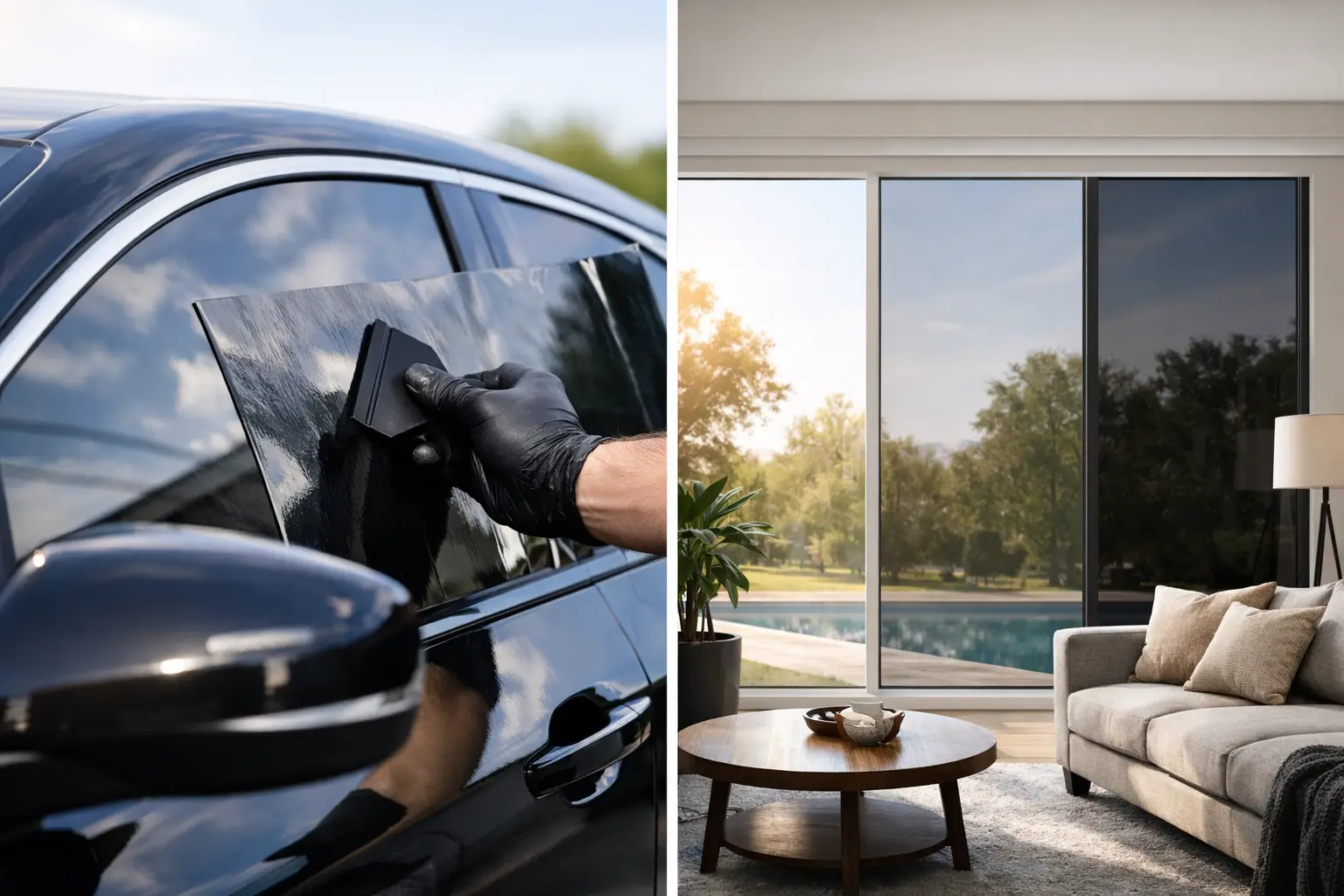
Park a black interior car in South Florida for twenty minutes and you already know why people start searching for the best window tint shades. The real question is not whether tint helps. It does. The question is which shade actually fits your vehicle, property, goals, and local laws without leaving you disappointed a week later.
A lot of buyers start with one number in mind – usually 5%, 20%, 35%, or 50% – and assume darker automatically means better. That is only half the story. Shade matters, but so do the film type, the glass you already have, how much privacy you want at night, and whether your priority is heat rejection, appearance, glare control, or legal compliance. If you want tint that looks sharp and performs the way you expect, you need to match the shade to the job.
What window tint shade percentages actually mean
Window tint shade is measured by visible light transmission, usually called VLT. That number tells you how much visible light passes through the glass and film together. Lower percentages look darker because they let in less light. A 5% tint is extremely dark. A 50% tint is much lighter and often chosen by drivers or property owners who want subtle improvement without a dramatic look.
This is where people get tripped up. A darker shade does not always block more heat if the film technology is weaker. A premium ceramic film in 35% can outperform a cheap dyed film in 5% when it comes to infrared heat rejection. So when people ask for the darkest film, a good shop usually asks a better question back – what do you want the tint to do?
The best window tint shades for different goals
The best choice depends on how you use the space. A daily driver in sunny Florida needs a different setup than a storefront, a family SUV, or a home office with afternoon glare.
5% tint for maximum privacy and a bold look
This is the classic limo-style shade. It delivers serious privacy during the day and creates an aggressive custom look that a lot of enthusiasts love. On rear windows, it can be a great option for SUVs, trucks, and vehicles where privacy is a top priority.
The trade-off is visibility, especially at night. Backing up in poorly lit areas gets tougher. On many vehicles, 5% is also too dark for front-side windows under state law. It works best when used strategically rather than everywhere.
20% tint for strong privacy without going full blackout
For many drivers, 20% is the sweet spot for rear windows. It looks dark, cuts glare well, and gives the cabin a sleek finish without being as extreme as 5%. It is also a common choice for clients who want a custom appearance that still feels usable every day.
At night, visibility is better than 5%, but it is still a darker film. If your driving includes a lot of unlit roads, underground garages, or frequent night backing, that matters.
35% tint for everyday balance
If you want one of the most versatile options on the market, 35% deserves a serious look. It gives the glass a noticeable smoked appearance, reduces glare, and adds privacy during the day while still keeping the cabin easier to see out of at night.
For many customers, this is where style and function meet. It is dark enough to change the look of the vehicle or room, but not so dark that it feels closed off. In homes and businesses, 35% can also be a smart pick for reducing glare without making interiors feel cave-like.
50% tint for a lighter, cleaner finish
Some people hear 50% and assume it barely does anything. That is not true, especially with a quality film. A good 50% ceramic tint can cut heat, reduce UV exposure, and tone down glare while keeping a very natural look.
This is a strong option for windshields where legal, lighter front windows, and homeowners who want comfort gains without changing the appearance of the glass too much. If your priority is visibility and subtle performance, 50% is often underrated.
Why film type matters as much as shade
If you are comparing the best window tint shades without comparing film construction, you are missing the part that affects comfort the most. Dyed film is usually the budget choice. It darkens the glass and improves appearance, but heat rejection is typically more limited and color stability can fade over time.
Metalized film adds strength and can reject more heat, but it may interfere with signals in some vehicles or electronics-heavy setups. That is a real concern for modern cars packed with GPS, phone connectivity, driver-assist systems, and antennas.
Ceramic film is the premium lane for a reason. It can reject serious heat while keeping signal interference low, and it performs well even in lighter shades. That is a big deal in hot climates. If you want comfort without always going darker, ceramic gives you more flexibility.
Best window tint shades for cars
For automotive use, the smartest setup is often a combination rather than one shade on every window. A lot of drivers prefer something lighter on the front sides for visibility and legality, then darker on the rear for privacy and style. That creates a clean, custom look while keeping the car practical.
If you commute daily, carry kids, or spend a lot of time parked outdoors, 35% or 50% ceramic on key windows can make a big difference in heat load. If the goal is more appearance-driven, 20% on the rear with a balanced front setup often looks sharp without feeling overdone. If you want the glass nearly blacked out, reserve 5% for areas where nighttime visibility is less of a concern.
The windshield is its own conversation. Some drivers choose a very light ceramic film to cut glare and heat while keeping the glass looking nearly clear. That can be a huge comfort upgrade in South Florida, but local rules matter, so it has to be handled correctly.
Best window tint shades for homes and businesses
Residential and commercial tint decisions work a little differently because visibility and room brightness matter all day, not just while driving. A shade that feels perfect on a car can make an office or living room feel too dark indoors.
For homes, 35% and 50% are often the most practical range. They can reduce glare on TVs and monitors, help manage hot rooms, and protect interiors from UV damage without making the house feel shut in. If privacy is the main goal for street-facing windows, a darker or more reflective option may make sense, but remember that nighttime privacy works differently once lights are on inside.
For businesses, the right shade depends on the space. Storefronts usually need a welcoming appearance from the outside, while offices may care more about glare reduction and comfort. Restaurants, salons, and waiting areas often want a polished look that adds privacy without making the place feel dim. In these cases, a professional consultation saves time because the right answer is often specific to window direction, building use, and the image you want customers to see.
Legal limits and practical reality
This is the part buyers sometimes want to skip, but it matters. Tint laws vary by state and by window location. Front-side windows, rear glass, and windshields are often treated differently. Medical exemptions may also apply in some cases.
Even beyond the law, there is practical reality. If you drive mostly at night, darker is not always smarter. If your car already has factory privacy glass in the rear, adding film changes the final VLT more than people expect. If your goal is heat rejection, a lighter premium film may do the job better than a darker budget one.
That is why professional installation is about more than clean edges. It is about helping you avoid the common mistake of choosing tint by appearance alone.
How to choose the right shade the first time
Start with your top priority. If it is privacy, look darker. If it is heat control, compare film technology before shade alone. If it is a clean factory-plus look, 35% or 50% may be exactly right. If it is a showier custom finish, combine lighter front glass with darker rear glass for a more tailored result.
Also think about where the vehicle or property lives. South Florida sun hits differently than a milder climate. The same goes for large SUVs, marine applications, storefront glass, and homes with direct afternoon exposure. What looks good in a sample book needs to work in real life.
A quality shop can walk you through samples, explain legal ranges, and help you build a setup that fits your goals instead of pushing the same film on everyone. That is the difference between tint that just looks dark and tint that actually upgrades comfort, style, and daily use. At Tint Station, that custom approach is the whole point.
The best window tint shade is not the darkest one on the chart. It is the one that fits your lifestyle, your glass, and the way you want the finished result to feel every time you step inside.