
How to Choose Window Tint That Fits
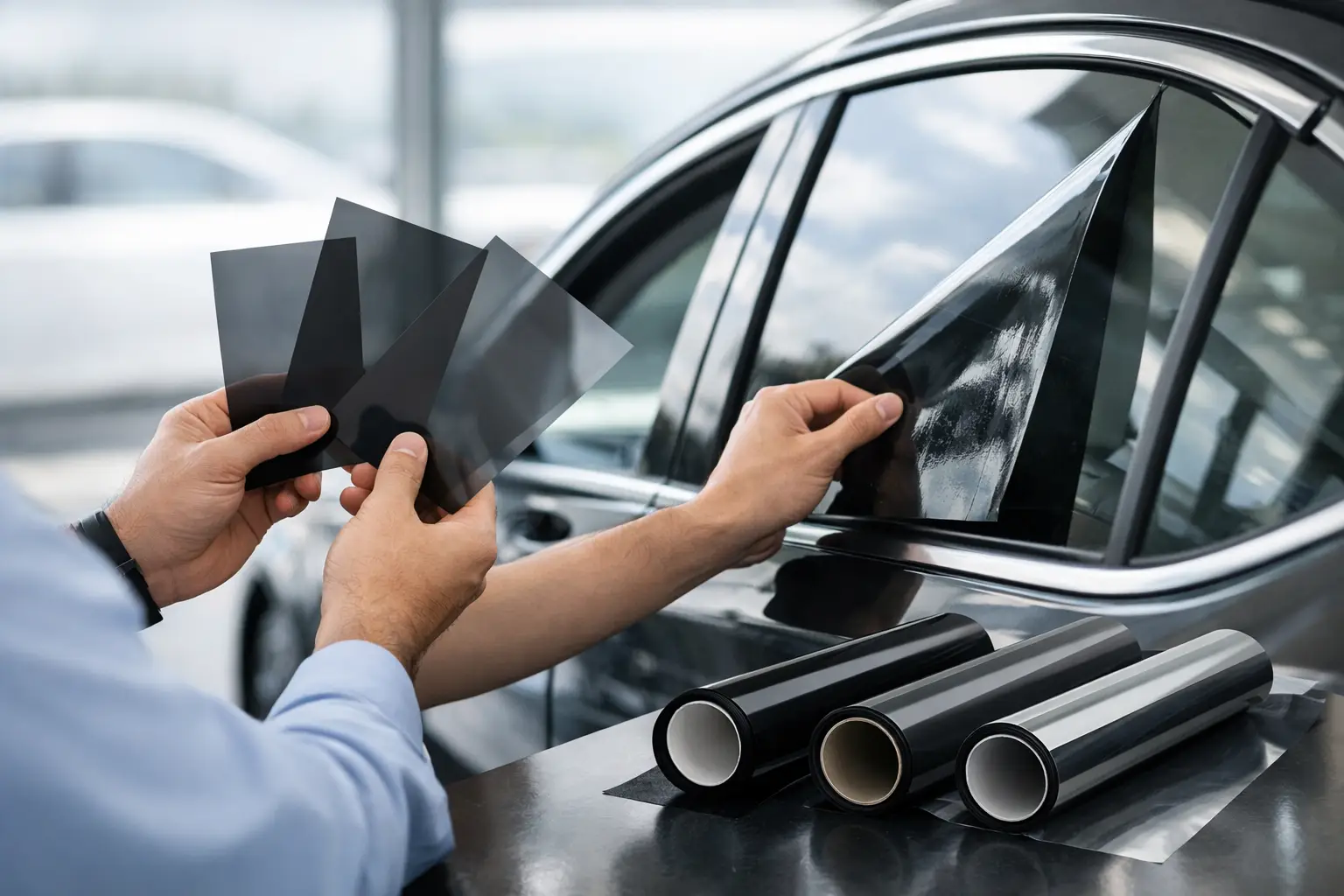
A lot of people think choosing tint starts with picking how dark they want the glass to look. That is usually the fastest way to end up disappointed. If you are figuring out how to choose window tint, the smarter move is to start with what you want the tint to actually do – cut heat, block glare, add privacy, protect interiors, sharpen the look, or all of the above.
The right film can make your vehicle more comfortable in South Florida traffic, keep a storefront cooler in the afternoon sun, or give your home more privacy without turning every room into a cave. But not every tint performs the same, and not every dark film is a high-performing one. Appearance matters, but performance, legality, and installation quality matter just as much.
How to choose window tint based on your goal
Before you compare film types, decide what problem you are solving. If your main issue is cabin heat, you want a film built for heat rejection, not just a darker shade. If you want privacy, visible light transmission matters more. If your leather, dash, flooring, or furniture is fading, UV protection should be high on the list.
For vehicle owners, the most common priorities are heat reduction, glare control, interior protection, and a cleaner custom look. Homeowners usually focus on comfort, energy savings, and daytime privacy. Commercial clients often care about reducing hot spots, improving appearance, and making workspaces more consistent throughout the day.
This is where people get tripped up. One film may be darker and cheaper, but still reject less heat than a lighter premium ceramic film. Another may give you privacy during the day, but not much at night with the lights on inside. Good tint selection is less about one feature and more about finding the right balance for your space and how you use it.
Understand the main types of window tint
There is a big difference between entry-level film and premium film, even if they look similar at first glance. Knowing the basics helps you avoid paying for the wrong thing.
Dyed window tint
Dyed film is usually the budget-friendly option. It improves appearance, cuts some glare, and adds a level of privacy. But it tends to offer lower heat rejection than better films, and over time, lower-quality dyed products can fade or shift color.
If you mainly want a darker look at a lower price, dyed tint can make sense. If your priority is serious heat control in a hot climate, it usually is not the best long-term play.
Metalized window tint
Metalized film reflects heat better than basic dyed film and can be durable. The trade-off is that metallic content can sometimes interfere with signals like GPS, radio, cell service, or electronic devices, depending on the product and application.
For modern vehicles loaded with tech, that trade-off matters. For some commercial or residential uses, it may be less of a concern.
Carbon window tint
Carbon film is a strong middle ground for many buyers. It offers solid heat rejection, a rich look, and better fade resistance than basic dyed film. It also avoids the signal issues associated with some metalized products.
If you want a noticeable performance upgrade without stepping all the way into premium ceramic pricing, carbon can be a smart choice.
Ceramic window tint
Ceramic film is the premium option for good reason. It is built for strong heat rejection, UV protection, glare reduction, and long-term performance without adding metal. You can often get impressive heat control with a lighter shade, which is a major plus if you want comfort without going extremely dark.
It usually costs more up front, but for drivers, homeowners, and business owners dealing with constant sun, the performance difference is real.
Darkness is only part of the decision
A lot of customers walk in asking for the darkest legal tint, and that is a fair place to start. But darkness alone does not tell you how well a film blocks heat. That is where shade and performance part ways.
Visible light transmission, or VLT, measures how much light passes through the glass. Lower percentages mean darker tint. That affects appearance, privacy, and nighttime visibility. It does not automatically tell you how much solar energy the film rejects.
A lighter ceramic film can outperform a darker basic dyed film when it comes to heat. So if your goal is comfort first, ask about heat rejection specs, not just darkness percentages. If your goal is privacy and style, then shade may carry more weight. Most customers want both, and that is where a professional recommendation saves time.
Legal limits matter more than people think
If you are choosing automotive tint, state law is part of the decision whether you like it or not. Legal VLT percentages vary by state and by window location. Windshields, front side windows, rear side windows, and back glass may all have different rules.
This matters for more than avoiding a ticket. Illegal tint can create headaches during inspections, resale, or traffic stops. It can also leave you paying twice if the film has to be removed and replaced.
The smart move is to choose a film package that gives you the look and performance you want while staying within local regulations. If you are in Florida, heat rejection is a huge priority, but legality still needs to be part of the conversation.
How to choose window tint for cars, homes, and businesses
The best tint for a car is not automatically the best tint for a house or storefront. The glass, sun exposure, and goals are different.
For cars and trucks
Automotive tint needs to balance style, comfort, visibility, and legal compliance. South Florida drivers usually benefit most from films that fight heat hard, especially on daily drivers that spend time parked outside. If your car has a lot of electronics, ceramic becomes even more attractive because of its signal-friendly construction.
If you are building a clean custom look, match the shade to the vehicle and your style. But do not sacrifice performance for a darker appearance if the car bakes every afternoon.
For homes
Residential tint is less about aggressive style and more about living comfort. The right film can reduce glare in rooms with strong afternoon sun, help protect flooring and furniture, and make spaces feel more consistent from one side of the house to the other.
For homes, the decision often comes down to whether you want a more reflective exterior look, a more natural appearance, or stronger privacy. Some homeowners love a near-clear film with strong heat rejection. Others want privacy on street-facing glass. It depends on the house and how each room is used.
For businesses
Commercial tint can improve customer comfort, employee comfort, and overall building efficiency. It also changes how the exterior looks, which matters for offices, storefronts, and fleet-facing operations.
For business owners, appearance and performance usually need to work together. A reflective film may cut glare and heat well, but it might not fit the image you want. A more neutral film may look cleaner and still perform at a high level, especially in premium product lines.
Ask about performance numbers, not just brand names
Brand matters, but specs matter more. A quality installer should be able to explain what you are buying in plain language.
Ask about UV rejection, infrared heat rejection, glare reduction, and warranty coverage. Also ask how the film will look from inside and outside, especially if appearance is important on a custom vehicle or a front-facing home or business.
If one quote is dramatically cheaper than another, there is usually a reason. Sometimes that reason is lower-grade film. Sometimes it is weaker warranty protection. Sometimes it is installation quality. Cheap tint can become expensive fast if it bubbles, fades, peels, or simply does not perform the way you expected.
Installation quality can make or break the result
Even a premium film will not look premium if it is installed badly. Clean edges, proper fitment, and a dust-free finish are not small details. They are the difference between tint that looks factory-clean and tint that looks rushed.
This is especially true on curved rear glass, large home windows, and commercial projects where flaws become obvious in sunlight. An experienced shop should walk you through film options, explain the trade-offs, and install the product in a way that matches the price point.
That is also why a custom-focused shop has an edge. You are not just buying film off a shelf. You are getting a recommendation based on your vehicle, your property, your style, and your priorities.
What the best choice usually looks like
For a budget-minded buyer, a quality dyed or carbon film may be enough if the goal is mainly appearance and basic glare reduction. For someone dealing with serious heat, ceramic is often worth the upgrade. For homes and businesses, the right choice usually comes down to sun exposure, desired privacy, and how much you care about preserving natural light.
There is no one-size-fits-all answer, and that is the point. The best tint is the one that solves your actual problem, looks right on your glass, and holds up over time.
If you want to get it right the first time, work with a shop that treats tint like a performance upgrade, not just a darker piece of film. A good consultation will tell you more than a display board ever will – and the right setup will keep paying you back every hot day after that.