
How to Upgrade Car Speakers the Right Way
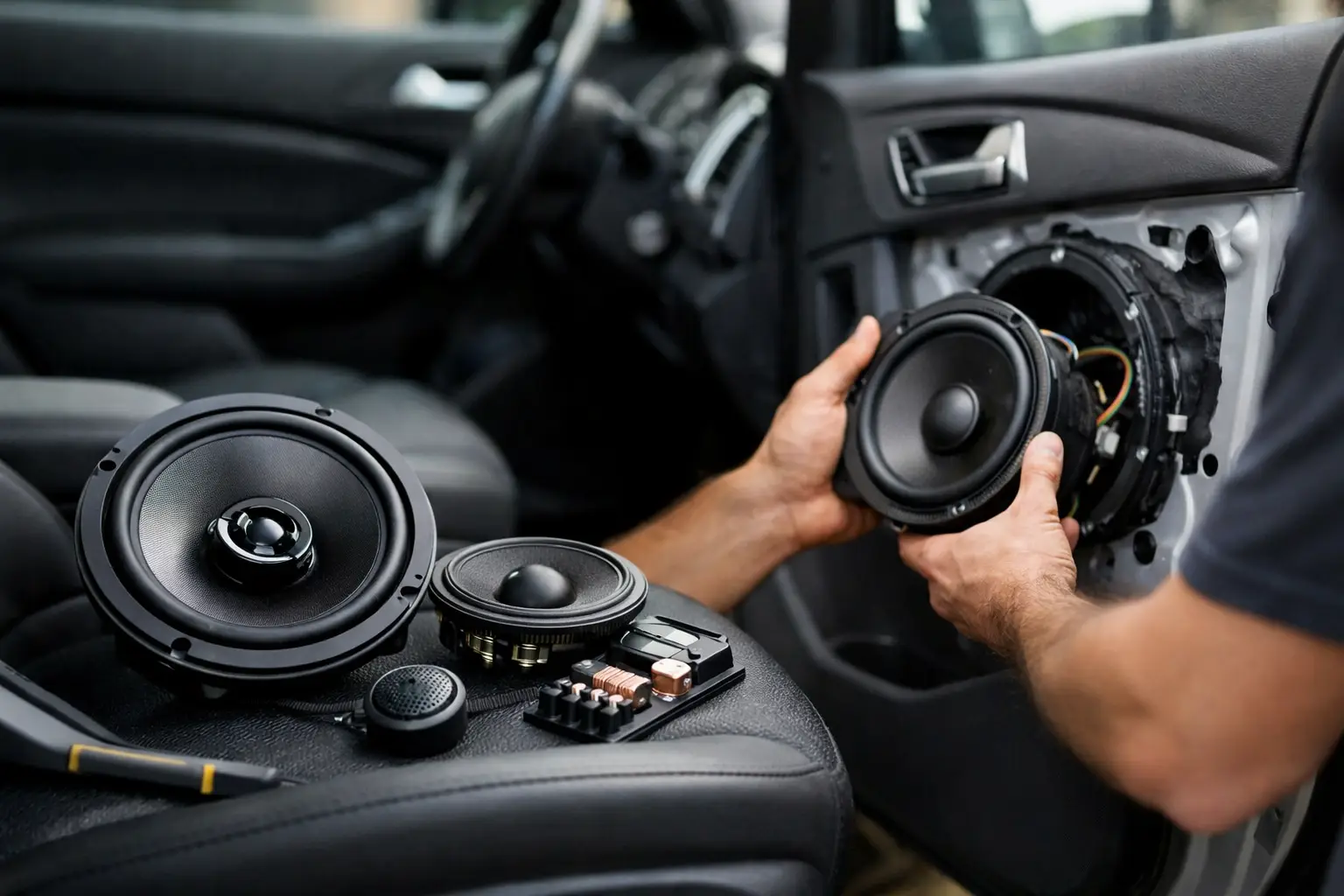
Factory speakers usually give up the moment you ask for real volume. The highs get harsh, the bass disappears, and your favorite track starts sounding flat before the drive even gets good. If you’re wondering how to upgrade car speakers, the best move is not buying the biggest speaker you can find – it’s building a system that actually fits your vehicle, your listening habits, and your expectations.
A solid speaker upgrade can completely change the way your car feels. Commutes get better. Road trips hit harder. Podcasts sound clearer. But there’s a right way to do it, and there’s the expensive way people regret later.
How to upgrade car speakers without wasting money
The first thing to know is that speakers are only one piece of the sound system. A lot of drivers swap factory speakers, expect a night-and-day difference, and then wonder why the result still feels underwhelming. That usually happens because the signal source, amplifier power, speaker fitment, and sound treatment were never part of the plan.
Start with your goal. Do you want cleaner sound at normal volume? Stronger bass without rattling the whole car? More output for windows-down driving in South Florida heat? Each goal points to a different setup. Someone who mainly listens to talk radio and streaming playlists does not need the same equipment as someone chasing full-range, high-output sound.
If your budget is limited, prioritize front speakers first. That’s where most of your listening experience lives. Upgrading the front stage usually brings the biggest improvement in clarity and detail. Rear speakers can help fill out the cabin, but they rarely matter more than getting the front right.
Choose the right type of speaker for your car
There are two main paths: coaxial speakers and component speakers. Coaxials combine the woofer and tweeter into one unit, which makes them simpler and more affordable. They’re a strong choice for everyday drivers who want a clean upgrade over stock without turning the car into a custom audio build.
Component speakers separate the woofer and tweeter and use an external crossover. That setup gives you better imaging, more precise highs, and a more refined soundstage. It also takes more planning. Placement matters more. Installation is more involved. If you care about hearing vocals clearly on the dash instead of buried in the doors, components are usually worth it.
Fitment matters just as much as brand. Not every 6.5-inch speaker fits every 6.5-inch opening the same way. Mounting depth, bolt pattern, grille clearance, and factory wiring all come into play. A speaker can be technically compatible on paper and still create problems once the door panel goes back on.
Power is where many upgrades go wrong
A new speaker is only as good as the power feeding it. Factory head units and stock amplifiers often don’t deliver enough clean power to get the best out of aftermarket speakers. That doesn’t mean every system needs a full amp rack, but it does mean you should be realistic.
Some speakers are designed to run well on factory power. Others really wake up only when paired with an external amplifier. If you install power-hungry speakers on a weak factory source, you may get slightly better sound, but not the big jump you expected.
This is where specs can mislead people. Peak power numbers look flashy, but RMS is what matters. RMS tells you how much continuous power the speaker can actually handle. Match that with an amplifier that provides clean, reliable output, and the system will sound fuller, louder, and more controlled.
If you want stronger bass and higher volume, adding an amp often makes a bigger difference than speakers alone. It gives the system headroom. Music sounds less strained, and the detail stays intact when you turn it up.
Don’t ignore the factory radio and signal quality
A lot of newer vehicles have integrated infotainment systems, steering wheel controls, backup cameras, and vehicle settings tied into the factory radio. That makes swapping the head unit less simple than it used to be. The good news is you can still get excellent results without tearing out the whole dash.
In many vehicles, integration modules and digital signal processors can clean up the signal and let you keep the factory look and features. That’s often the smarter move, especially in newer cars, trucks, and SUVs. The system stays functional, but the sound gets a serious upgrade.
If you do replace the radio, make sure the rest of the system keeps up. A quality aftermarket receiver can improve signal strength, tuning options, and format support, but it should work as part of a full plan, not as a random add-on.
Sound deadening makes better speakers sound even better
This is one of the most overlooked parts of a car audio upgrade. Doors are thin metal shells full of vibration, road noise, and air gaps. Even great speakers can struggle in that environment. Add sound treatment to the doors, and the difference is immediate.
You get tighter midbass, fewer rattles, and a more solid sound overall. It also helps reduce outside noise, which means you don’t have to crank the volume just to hear detail. In a custom install, this is one of those behind-the-scenes upgrades that separates decent sound from a system that feels finished.
For many vehicles, sound deadening is a smarter investment than jumping to a more expensive speaker line. It helps the speakers perform the way they were meant to.
Should you add a subwoofer too?
If your goal includes real low-end response, door speakers alone won’t get you there. Even excellent aftermarket speakers are not a replacement for a dedicated subwoofer. They can improve midbass and warmth, but true bass needs its own driver and enclosure.
That doesn’t mean you need a huge box taking over your cargo area. There are compact subwoofer options that fit under seats or tuck neatly into small spaces. The right setup depends on your vehicle and how much output you want. A daily driver might need a subtle, musical sub. An enthusiast build might call for much more impact.
The key is balance. Too much bass can drown out everything else. A properly tuned sub should make the whole system sound bigger, not just louder.
DIY vs professional installation
If you’re handy, a basic speaker swap is possible on some vehicles. But modern cars are not always friendly to quick installs. Panels are easy to damage, wiring can be tricky, and factory systems often need adapters, tuning, or integration parts that aren’t obvious until the install is underway.
Professional installation matters more when you’re adding amps, component speakers, DSP tuning, or custom fabrication. This is where craftsmanship shows. Clean wiring, secure mounting, correct polarity, proper tuning, and panel reassembly all affect the final result.
A rushed install can create rattles, electrical noise, weak output, or even damaged equipment. A well-built system looks factory where it should and custom where it counts. That’s the difference between just adding parts and actually upgrading the vehicle.
For drivers who want a system tailored to their car and listening style, working with a specialist saves time and usually avoids buying the wrong gear. At Tint Station, this is exactly where a custom approach pays off – matching the right products, power, and installation strategy to the way you actually drive.
What to upgrade first if you’re building in stages
If you don’t want to do everything at once, build in the right order. Start with front speakers and basic sound treatment. Then decide whether the system needs an amplifier. After that, add rear fill if you want it, and then a subwoofer if bass is missing.
This staged approach works well because each step adds a noticeable benefit without forcing you into a full build on day one. It also gives you room to hear what the system still lacks. Some drivers find that quality front speakers and an amp are all they need. Others realize they want deeper bass and cleaner tuning once they hear the first upgrade.
There’s no universal perfect setup. A compact sedan, lifted truck, work van, and weekend toy all call for different decisions. What matters is choosing parts that work together, fit the vehicle correctly, and support the kind of sound you actually want.
If your factory system is falling short, upgrading the speakers is one of the best places to start – just make sure you upgrade the plan, not just the parts.