
Window Tint Percentage Guide for Smart Choices
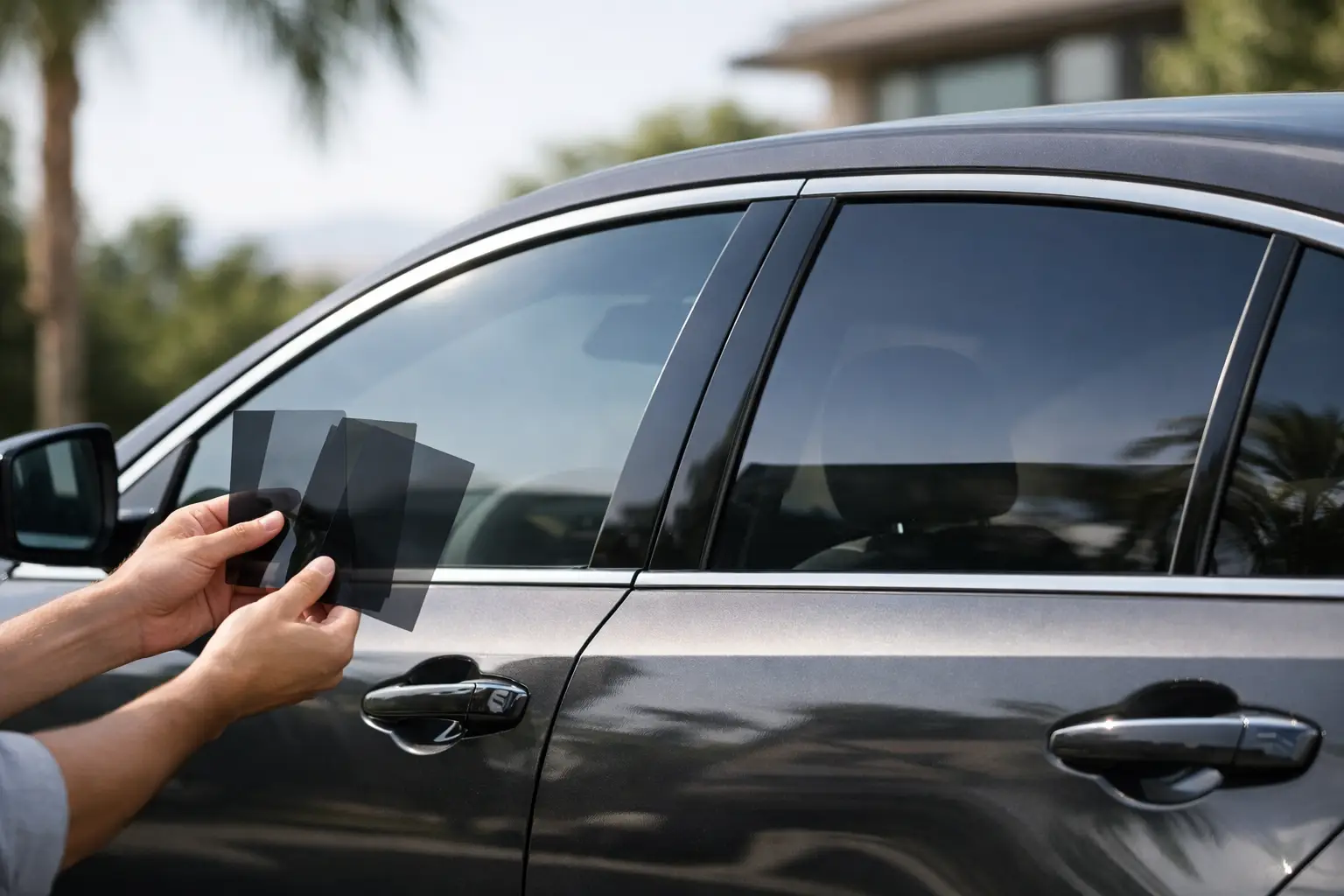
Pick the wrong tint percentage, and you feel it every time the sun hits the glass. The cabin runs hotter, privacy falls short, nighttime visibility gets annoying, or the look just is not what you had in mind. That is why a solid window tint percentage guide matters – not just for style, but for comfort, legality, and how your vehicle actually works for you every day.
Most people assume a darker film automatically means better performance. Sometimes it does. Sometimes it does not. Tint percentage affects appearance and visibility, but heat rejection, UV protection, and glare control also depend on the film technology itself. A high-quality ceramic film at a lighter shade can outperform a darker basic film where it counts.
How window tint percentage actually works
When people talk about tint percentage, they are talking about Visible Light Transmission, or VLT. That number tells you how much visible light passes through the window. The lower the percentage, the darker the tint.
A 5% tint lets in very little light and looks extremely dark. A 50% tint lets in much more light and gives a lighter, cleaner appearance. So if you want a quick rule, lower number means darker glass.
That sounds simple, but there is one detail that trips people up. The final look depends on the factory glass too. If your vehicle already has some shading in the rear glass, adding film changes the end result. That is one reason professional shops measure and match instead of guessing.
Window tint percentage guide by shade level
The best way to choose tint is to look at how each range performs in real life, not just how it looks parked in a driveway.
5% tint
This is often called limo tint. It gives maximum privacy and a bold custom look. From the outside, it is hard to see into the vehicle in daylight. For drivers who want a serious blackout appearance, this is the darkest common option.
The trade-off is visibility. At night, especially on roads with weak lighting, 5% can feel too dark for some drivers on side and rear windows. It is usually not the right choice for a windshield, and in many areas it is not legal on front side windows either. It looks aggressive, but it is not the best fit for everyone.
20% tint
This is one of the most popular shades for drivers who want strong privacy without going all the way to blackout. It still delivers a dark, custom appearance and helps cut interior visibility in daylight, but it is generally easier to live with than 5%.
For many customers, 20% hits the sweet spot between style and daily usability. It gives the vehicle a finished look and pairs well with modern ceramic films. Night driving is still a factor, though. If you regularly drive dark back roads or have limited rear visibility already, that matters.
35% tint
If you want a balance between sleek looks and practical visibility, 35% is a strong candidate. It darkens the vehicle enough to look upgraded, reduces glare, and keeps the cabin more comfortable while staying more driver-friendly after sunset.
This is a smart choice for people who want noticeable tint without a heavy blackout effect. It is especially popular on front side windows where legal limits may be stricter. For many vehicles, 35% looks clean, refined, and intentional.
50% tint
A 50% film is subtle. It is less about making a dramatic visual statement and more about improving comfort, glare control, and UV protection while keeping the glass fairly light. If you do a lot of nighttime driving, this level can make more sense than darker options.
It is also a strong option for windshields where local law allows a light film or visor strip setup. For drivers who want performance benefits without a heavily tinted appearance, 50% deserves more attention than it gets.
70% tint
A 70% film is very light and often chosen for heat and UV control rather than privacy. It keeps the natural appearance of the glass while adding protection and comfort. If your goal is to cut solar load without changing the look much, this is where premium film technology really shines.
This percentage is common for windshields in applications where a nearly clear finish is preferred. It is not about style points. It is about keeping interiors cooler and reducing harsh sunlight without making the glass look obviously dark.
The real decision is not just dark versus light
A good window tint percentage guide should make one thing clear: shade is only half the story. The type of film matters just as much.
Dyed films can darken glass, but they do not always deliver the same heat rejection or longevity as higher-end options. Ceramic films cost more, but they are built for customers who care about real-world performance. They reject more heat, block UV rays, and help keep the cabin comfortable without forcing you into the darkest possible shade.
That matters in places like South Florida, where the sun is relentless and interior temperatures climb fast. You might think you need an ultra-dark tint to stay cool, but a quality ceramic film at 35% or 50% may give you the comfort you want with better day-to-day visibility.
How to choose the right tint for your vehicle
Start with your priorities. If privacy is at the top of the list, you will naturally lean darker. If you care more about a classy factory-plus look, a moderate percentage may fit better. If heat rejection is the real mission, film quality becomes the bigger decision.
Your driving habits matter too. A vehicle that spends most of its life in daylight commuter traffic can handle darker side glass more easily than one used constantly on dark rural roads. If you back into tight parking spots at night or tow regularly, visibility should carry more weight.
Vehicle type changes the equation as well. A sedan with a lot of glass can feel much darker at 20% than a truck or SUV with smaller side windows. Factory rear privacy glass also changes how aftermarket film will appear once installed.
Then there is the look. Some customers want a stealthier, more aggressive setup. Others want a premium, clean finish that complements the vehicle without shouting. Both are valid. The right answer depends on the build and how you want it to feel every time you walk up to it.
Legal limits are not optional
This part gets overlooked until someone gets pulled over. Tint laws vary by state and by window location. Front side windows, rear side windows, back glass, and windshields may all have different legal limits.
That means the best-looking setup is not always the legal one. It also means online advice from someone in another state may not apply to your vehicle at all. A professional installer should help you choose a setup that matches your goals while staying within the rules that apply where you drive.
If you want the cleanest combination of style, performance, and compliance, this is where expert guidance saves headaches. It is much easier to get it right the first time than to strip film and start over.
Best tint percentages for common goals
If your goal is maximum privacy, most people look at 5% or 20% on the side and rear windows. If your goal is an everyday balance of style and visibility, 35% is a common winner. If you want subtle comfort gains with easier nighttime driving, 50% makes a lot of sense. And if you want near-clear heat and UV protection, especially for a windshield, 70% is often the move.
There is no universal best percentage. The right percentage is the one that matches your vehicle, your environment, your style, and the laws where you drive.
Why professional installation matters
Even the best film looks bad if it is cut poorly, contaminated, or installed with visible gaps and debris. Clean edges, accurate fitment, and proper curing make the difference between a cheap tint job and a premium finish.
This is also where real customization happens. A pro can help you pair percentages across different windows, account for factory glass, and build a result that looks intentional instead of mismatched. At a shop like Tint Station, that conversation is part of the value – getting a setup that performs the way you want and looks right on your exact vehicle.
The best tint percentage is not the darkest one on the chart. It is the one that fits your life, your taste, and your local laws without compromise where it counts. If you are choosing between shades, trust the numbers, but trust real-world use even more.