
Can LED Headlights Improve Visibility at Night?
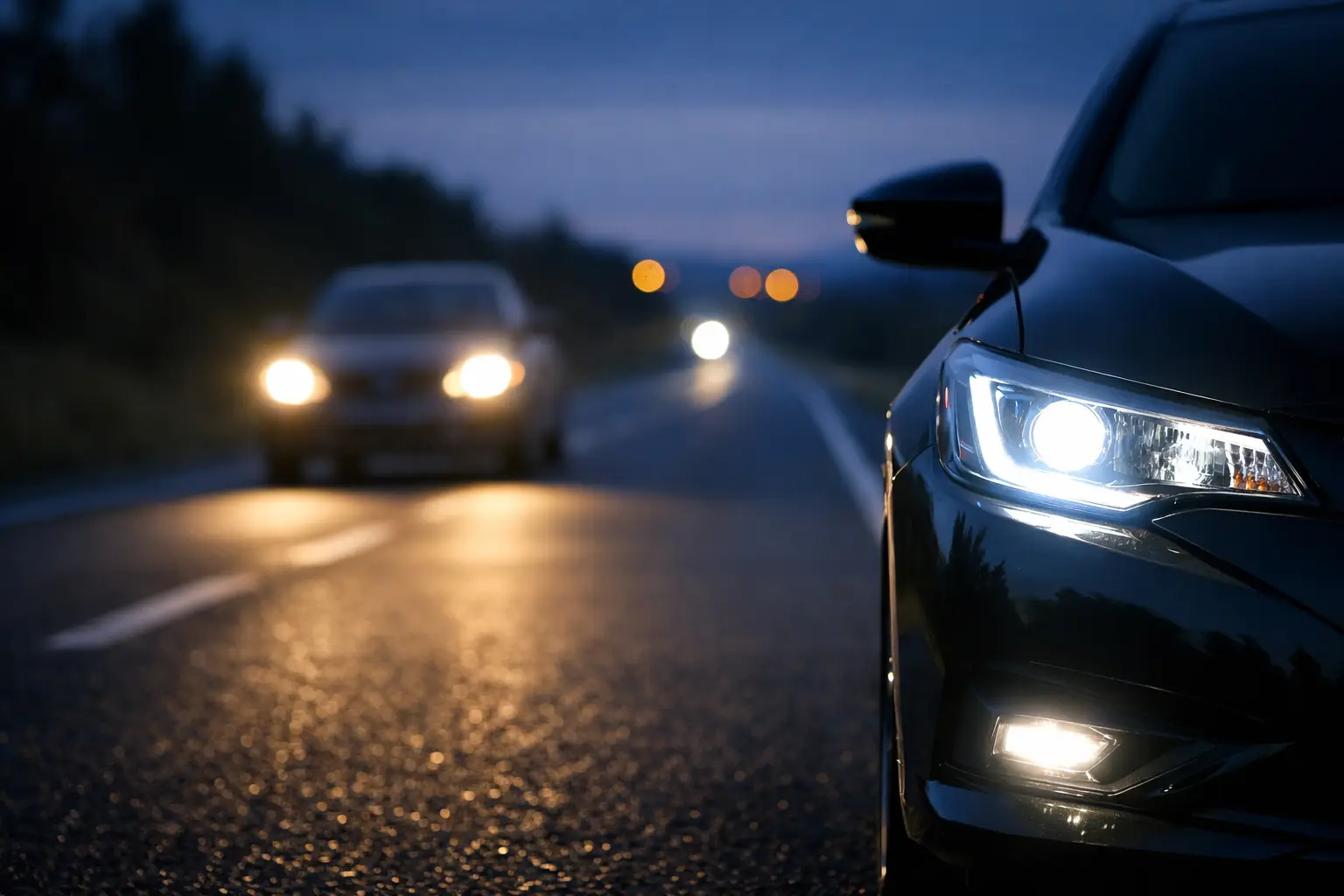
A dark stretch of I-95, a sudden South Florida downpour, and faded lane markings can expose every weakness in factory headlights. So, can LED headlights improve visibility? Absolutely, but only when the upgrade produces a controlled, road-focused beam instead of simply adding more glare.
The best LED headlight upgrade makes it easier to spot pavement edges, signs, pedestrians, standing water, and hazards sooner. The wrong one can create scattered light, blind oncoming drivers, and leave you with less useful distance vision than the halogen bulbs you replaced. Bright is not the same as better.
Can LED Headlights Improve Visibility in Real Driving?
Quality LED headlights can improve nighttime visibility because they create more usable light with less power draw than traditional halogen bulbs. A well-designed LED system reaches full brightness immediately, produces a cleaner white light, and can make contrast on the road easier to read. That matters when a black vehicle is merging in rain or a bicyclist is riding near the shoulder.
Color temperature plays a role, but it is often misunderstood. Many drivers prefer LEDs around 5,000K to 6,000K because the light appears crisp white and closer to daylight. Extremely blue bulbs may look aggressive in a parking lot, but they are not automatically better for seeing through rain, fog, or wet-road glare. A clean white output is usually the smarter balance between style and practical vision.
LEDs also last substantially longer than typical halogen bulbs. That can mean fewer replacements and more consistent output over time. Still, lifespan depends on the bulb’s thermal design, driver quality, and whether the bulb is installed in a housing that can manage heat properly.
The Beam Pattern Matters More Than the Advertised Lumens
A headlight is an optical system, not just a socket for a brighter bulb. Your vehicle’s reflector or projector housing directs light into a specific pattern, with a cutoff that keeps low beams out of other drivers’ eyes. If an LED emitter does not sit in the same position as the original halogen filament, the housing may scatter the light instead of focusing it.
That is why some high-lumen LED kits disappoint. They can make nearby road surfaces look bright while throwing less controlled light down the lane. They may also send stray light upward, causing glare for traffic ahead. It looks powerful from the driver’s seat until someone flashes their high beams back at you.
A proper upgrade should create a sharp, even low-beam pattern, with strong foreground lighting but enough reach to identify hazards at speed. Before and after aiming is part of the job. Even an excellent LED bulb can perform poorly when the headlights are pointed too high, too low, or unevenly.
Reflector Housings Need Extra Attention
Many trucks, SUVs, and older vehicles use reflector-style headlight housings. These can work with select LED replacement bulbs, but compatibility is critical. The LED chip placement, bulb collar design, and orientation all affect where the light lands.
Some reflector housings simply perform best with quality halogen bulbs, while others respond very well to vehicle-specific LEDs. There is no universal answer based on bulb size alone. A professional inspection of the housing, lens condition, wiring, and beam pattern helps avoid wasting money on a kit that looks good on the box but performs poorly on the road.
Projector Housings Often Offer a Cleaner Upgrade Path
Projector headlights use a lens and shield to shape the beam, often delivering a more defined cutoff. When matched with the right LED bulb or an engineered projector retrofit, they can provide excellent output and control.
For drivers who regularly travel at night, a properly built projector setup can be a serious safety and appearance upgrade. It delivers the modern white-light look while keeping the beam focused where it belongs. For customized builds, projector retrofits can also pair cleanly with daytime running lights, accent lighting, and other vehicle electronics.
When LED Headlights May Not Fix the Problem
Not every visibility complaint starts with the bulb. Cloudy or yellowed lenses can block a surprising amount of light, no matter how powerful the new LEDs are. Moisture inside the housing, damaged reflectors, weak wiring, a failing alternator, or a worn headlight switch can also reduce performance.
Headlight aim is another common culprit. A vehicle that has been lifted, lowered, involved in a minor impact, or fitted with different suspension components may need its headlights adjusted. Florida roads are flat, but that does not eliminate glare or aiming problems, especially with trucks and SUVs sitting higher than stock.
Rain and fog bring their own trade-offs. White LEDs can improve clarity in normal nighttime conditions, yet intense cool-white light may reflect more noticeably off wet pavement. In heavy fog, dedicated fog lights with a low, wide beam can be more useful than trying to overpower the weather with brighter headlights. The goal is controlled visibility, not a wall of reflected light.
Choose the Right LED Upgrade for Your Vehicle
Start with the vehicle, not the trend. A dependable LED headlight upgrade should match your housing type, bulb size, dust-cap clearance, and electrical system. Some newer vehicles monitor bulb resistance and may trigger dashboard warnings or flickering when LEDs are installed without the correct decoder or anti-flicker module.
Heat management deserves attention too. LEDs generate less heat forward of the bulb than halogens, but their electronics create heat at the base. A quality bulb uses a properly designed heat sink or compact cooling fan. Cheap units can overheat, dim early, fail prematurely, or create fitment issues behind the housing cap.
For the strongest result, look at the full lighting package. Restored lenses, properly aimed headlights, functional fog lights, and clean electrical connections often make a bigger difference together than one oversized bulb upgrade. If you want the most dramatic improvement, projector retrofits and vehicle-specific headlight assemblies may be a better investment than a basic plug-in kit.
Legal and Safety Considerations
Headlight laws vary by state, but the central rule is simple: your lights must be safe, properly aimed, and suitable for road use. Not every aftermarket LED bulb is approved for every original headlight housing. A bulb advertised as extremely bright may not meet the requirements for your vehicle’s setup.
Avoid chasing the highest color temperature or largest lumen number. Those claims are not always measured consistently, and they do not tell you whether the light is usable. A controlled beam pattern, reliable components, and correct aiming protect you and everyone sharing the road.
Professional installation also keeps the details in check. The installer can confirm clearance behind the headlight, secure wiring away from moving or hot components, inspect the housings, and test the beam pattern after installation. That is especially valuable on vehicles with tight engine bays, CAN bus electrical systems, or custom front-end modifications.
Make Your Night Drive Look Better and Work Better
LED headlights are one of the few appearance upgrades that can deliver a real daily-driving benefit. The right setup gives your vehicle a sharper, modern front-end look while helping you see the road with more confidence after sunset. But the upgrade needs to be engineered around your vehicle, not chosen solely for a cool-white glow.
At Tint Station, we approach lighting the same way we approach every custom vehicle upgrade: match the components to the build, install them cleanly, and make sure the result performs as good as it looks. Whether you drive a commuter sedan, a lifted truck, a weekend show vehicle, or a fleet unit, the right LED solution starts with a close look at what your headlights are doing now.
Before your next night drive, park on a level surface and inspect your beam pattern against a wall. If the light is weak, uneven, scattered, or aimed into the trees, it is time to address the whole system – and give your vehicle lighting that earns its place on the road.