
Does Tint Fade? What Florida Drivers Should Know
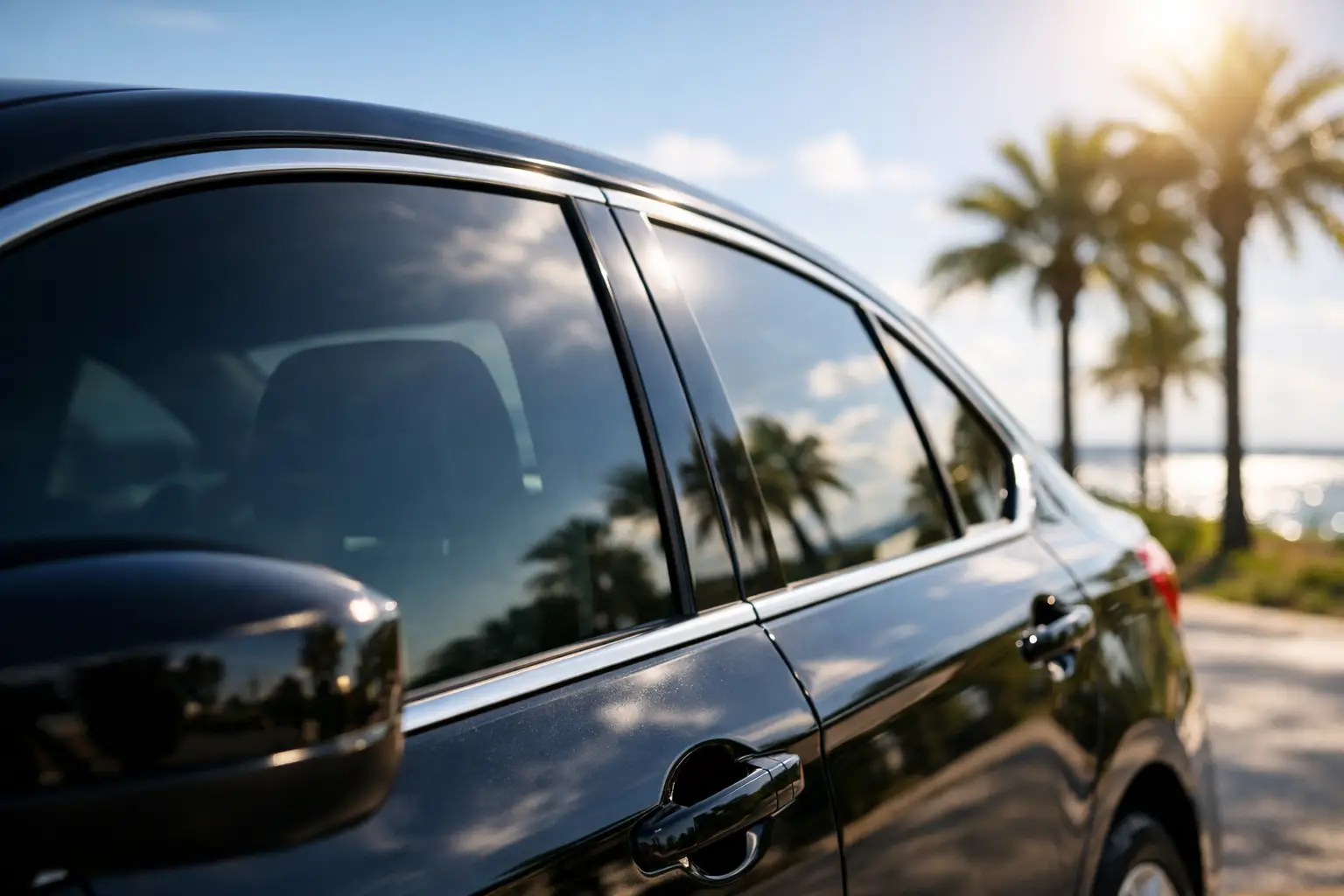
A dark, clean tint job can transform a vehicle the moment it leaves the shop. But after months of South Florida sun, many owners start asking the same question: does tint fade? The short answer is yes, some window film can fade, discolor, or lose its clean appearance. High-quality film installed correctly, however, is built to hold its color and performance far longer than cheap dyed material.
Fading is not just a cosmetic issue. When film changes from deep black to purple, brown, or uneven gray, it can make an otherwise sharp vehicle look neglected. On homes and businesses, worn film can reduce visual consistency and leave glass looking blotchy from the outside. Knowing what causes tint to fade helps you choose a film that matches your goals for heat rejection, privacy, UV protection, and style.
Does Tint Fade in the Florida Sun?
Florida sun is demanding. High UV exposure, intense heat, humidity, and year-round driving put any window film to work. Lower-grade dyed tint is especially vulnerable because its appearance depends heavily on dye. As that dye breaks down under ultraviolet light, the film can lighten or shift color.
That does not mean every tinted window will fade quickly. Premium films use more advanced construction, including carbon, ceramic, and color-stable layers designed to resist the purple look associated with old-school bargain tint. The exact lifespan still depends on the product, where it is installed, how the glass is exposed, and how the vehicle or building is maintained.
A vehicle parked outside every day in Deerfield Beach will face more UV stress than one kept in a garage. A large west-facing storefront also takes a different kind of punishment than a shaded residential window. The right film should be selected for the real conditions it will face, not just the shade you like on day one.
What Makes Window Tint Fade or Change Color?
The biggest factor is film quality. Basic dyed films are often affordable up front, but they may absorb heat instead of rejecting it and can lose color sooner. That makes them a trade-off: a lower initial price may come with a shorter useful life and a less premium finish.
Film construction matters just as much as the brand name on the box. Carbon tint is known for a rich, non-reflective appearance and stronger color stability than entry-level dyed film. Ceramic tint uses non-metallic ceramic particles to reject heat and block UV without interfering with many electronic signals. It is typically a premium option, but it is a smart choice for drivers who want serious heat control and a finish that stays clean over time.
Installation quality also affects how tint ages. A professional installer prepares the glass thoroughly, uses the proper application method, and works the film into place without contamination, fingers, or edge lifting. Poor installation does not necessarily cause color fading, but it can create bubbling, peeling, and visible imperfections that make a tint job look worn far earlier than it should.
Sun is the main culprit, but harsh cleaning habits can add to the damage. Abrasive pads, ammonia-based cleaners, and rough paper towels can scratch film or wear at its surface. Those scratches catch light and make even dark tint look hazy. On automotive glass, repeated scraping around defroster lines or aggressive cleaning at window edges can also shorten the film’s clean-looking lifespan.
Fading Is Not the Same as Haze, Bubbles, or Peeling
Customers often call every aging issue “faded tint,” but the symptoms can point to different problems. True fading usually appears as a lighter shade, purple tone, brownish cast, or uneven color across the glass. It is most common with older dyed film.
Haze can look like fading from inside the vehicle, especially at night or in direct sunlight. It may be caused by scratched film, adhesive deterioration, contamination, or low-quality material. Bubbles often signal adhesive failure. Peeling around the edges can result from aging, damage, weak film, or an installation issue.
These distinctions matter because the fix is usually replacement, but the right replacement depends on the failure. If the goal is simply restoring a dark factory-style look, a quality color-stable film may be ideal. If your current tint never controlled cabin heat well, moving up to ceramic can deliver a noticeable comfort upgrade along with a cleaner long-term appearance.
How Long Should Quality Tint Last?
There is no single lifespan for every window film. Quality automotive tint can often look and perform well for many years, while lower-cost dyed material may show color changes much sooner under constant sun exposure. Residential and commercial films also vary based on glass orientation, climate, interior conditions, and the specific film selected.
A warranty is worth discussing, but it should not be the only deciding factor. Ask what the warranty covers: color change, peeling, bubbling, adhesive failure, or installation defects. Also ask whether the film is designed for the heat rejection, privacy level, and glass type you need. The darkest shade is not automatically the best-performing film.
For vehicles, visibility and local tint laws should be part of the conversation as well. A professional shop can help balance the look you want with practical driving visibility and applicable legal requirements. That prevents the frustration of paying for a bold setup that does not fit your daily use.
How to Keep Tint Looking Its Best
Once fresh film is installed, give it time to cure. It is normal to see a little moisture haze or small water pockets during the curing period, especially in humid weather. Avoid rolling down vehicle windows until your installer says it is safe. Rushing that process can disturb the film before the adhesive has fully settled.
After curing, clean tinted glass with a soft microfiber towel and a tint-safe cleaner. Avoid ammonia, harsh solvents, razor blades, and abrasive scrubbers. A gentle approach protects the film surface and keeps visibility crisp.
Parking in covered areas when possible reduces long-term UV exposure, though it is not realistic for every driver or business. More importantly, start with a film engineered for your environment. If your car sits in open parking lots, your boat lives on a trailer near the water, or your storefront faces direct afternoon sun, choose performance based on those conditions.
When It Is Time to Replace Faded Tint
If your tint has turned purple, looks patchy, bubbles heavily, or blocks your view with haze, replacement is usually the right move. Removing old film takes patience because aged adhesive can remain on the glass. Rear windows require extra care around defroster lines, where aggressive removal can cause damage.
Replacement is also a chance to rethink what you want from the upgrade. Maybe your old tint was selected for appearance alone, but now cabin heat is the bigger issue. Maybe you want more daytime privacy without making night driving uncomfortable. Maybe your home office or storefront needs glare reduction while keeping natural light. A custom recommendation should reflect how you actually use the space or vehicle.
At Tint Station, the goal is not to sell the same film to every customer. It is to build a tint package around the glass, the exposure, the desired look, and the performance you expect every time you get behind the wheel or walk into the room.
Choose Film for More Than Its First-Day Look
Tint should make a vehicle, home, or business look better now and stay that way through the heat, sun, and daily wear that come with South Florida living. Cheap film can create a quick dark look, but it may leave you paying for removal and replacement sooner than expected. Premium color-stable film costs more initially, yet it can deliver better comfort, cleaner style, stronger UV protection, and greater confidence over the long haul.
If your current tint is changing color or you are planning a new upgrade, request a professional consultation before choosing a shade. The right film should still look intentional years from now, not like a shortcut that gave up early.