
Is Headlight Tint Legal in Florida?
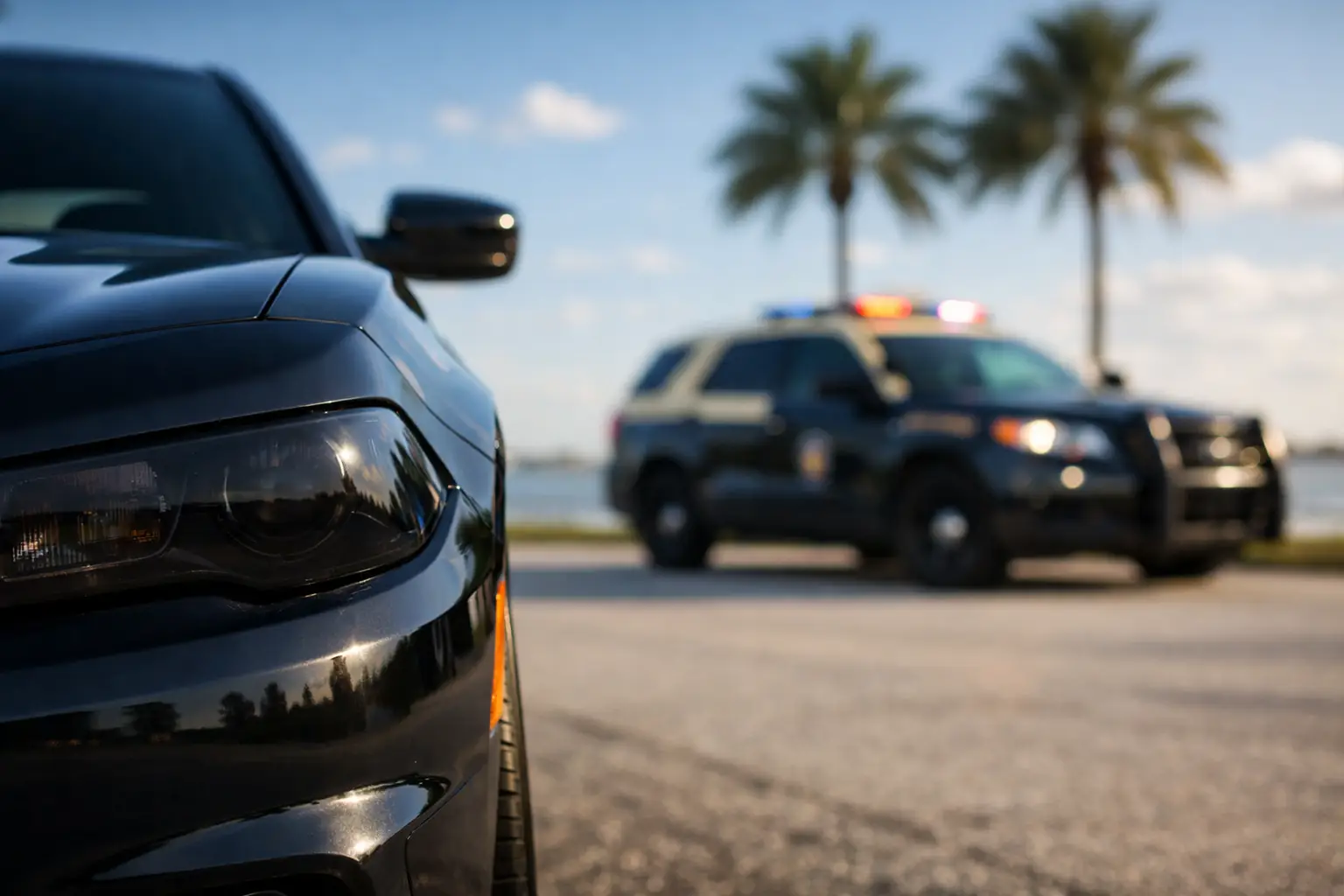
You spot a car with smoked headlights, and it looks clean. Aggressive. Finished. Then the question hits: is headlight tint legal, or is that the kind of mod that gets attention from law enforcement for all the wrong reasons? If you’re customizing your ride in South Florida, this is one of those upgrades that looks simple but can create real problems fast.
Is headlight tint legal?
The short answer is: usually not in the way most drivers mean it.
A lot of people use “headlight tint” to describe any film or coating that darkens the lens. That is where things get risky. Headlights are safety equipment, and laws generally require them to emit a certain amount of usable light and remain visible from a required distance. Once you apply a smoked film or spray that reduces output, you can cross the line from cosmetic upgrade to illegal modification.
In Florida and most other states, the issue is not just whether a tint product exists for headlights. The issue is whether the tint interferes with the light’s required performance. If it darkens the beam, changes visibility, or makes your vehicle less compliant with lighting standards, you are asking for trouble.
Why this mod gets more scrutiny than window tint
Drivers often assume headlight tint works like window tint laws. It does not.
Window tint is heavily regulated too, but there are measurable legal thresholds for visible light transmission on certain windows. Headlights are different because they are active safety components. Their entire job is to let you see and let other drivers see you. Any material placed over the lens can reduce brightness, distort the beam pattern, or change the color in a way that makes the lights less effective.
That matters on dark roads, in heavy rain, and during those fast-moving South Florida storms where visibility drops in seconds. A headlight that looks sharp in the parking lot can perform badly when you actually need it.
What Florida drivers should know
Florida law is not friendly to modifications that reduce required lighting performance. While vehicle codes can get technical, the practical takeaway is straightforward: headlights must work as intended, and they must display the proper color and visibility.
If you install a dark smoke film over the lens and it noticeably cuts output, you could be cited for equipment violations. You could also create a bigger issue if you’re involved in a crash and your lighting becomes part of the investigation. That is the part many people miss. A ticket is annoying. Liability is expensive.
Enforcement can also depend on how obvious the tint is. A very light cosmetic film may not attract the same attention as a nearly blacked-out lens, but that does not make it automatically legal. It just means some setups are more likely to get noticed than others.
The gray area that confuses people
This is where a lot of bad advice starts.
You will hear people say, “My friend has it and never got pulled over,” or “The shop told me it’s fine.” Neither one is a legal standard. Plenty of questionable mods stay on the road until they become a problem. That does not make them compliant.
You will also see products marketed as off-road, show use, or decorative film. Those labels matter. If something is sold for show use, it is not a promise that it is street legal.
What actually makes headlight tint illegal?
The biggest red flags are darkness, color change, and reduced output.
If the tint significantly dims the beam, that is a problem. If it changes the light away from the required headlight color, that is another problem. If it affects the beam pattern so the light scatters poorly or does not project correctly down the road, that can also put you out of compliance.
Modern headlights are engineered systems, especially on newer vehicles with projector housings, LED arrays, and adaptive lighting features. Covering those lenses with film is not the same as adding a cosmetic accent somewhere else on the car. Even a thin layer can affect performance more than drivers expect.
Are any headlight films legal?
Possibly, but “legal” depends on the exact product, how much it changes performance, and how your state interprets equipment laws.
Very light protective films that are designed more for lens protection than darkening may be less problematic than smoked films. Clear protection film is the safer route if your real goal is to protect expensive headlight lenses from pitting, haze, and road damage. It gives you the cleaner, preserved look without sacrificing output the way dark tint can.
That is usually the smarter play if you care about both appearance and street use.
Style versus function
This is the trade-off. A darker lens can look tougher. But every step toward that smoked look can take away usable light.
That trade-off gets worse on older vehicles, where the headlights may already be weaker than new. Add tint on top of faded housings or average bulbs, and nighttime visibility can drop hard. What looked like a cosmetic upgrade becomes a safety downgrade.
Better alternatives to dark headlight tint
If you want a sharper front-end look without creating a legal headache, there are better options.
Clear paint protection film is one. It helps preserve the lens and keeps headlights looking fresh. A proper restoration service is another if your lights are cloudy or yellowed. You can also upgrade bulbs or lighting components where legal and appropriate for your vehicle. In some builds, subtle styling changes around the grille, trim, or lower lighting can deliver a more aggressive look without touching the headlight output at all.
That approach gives you the custom feel without compromising the part of the vehicle that needs to perform every night.
When headlight tint becomes a bigger issue
A lot of drivers think about the ticket and stop there. But there are bigger consequences.
If your headlights are tinted and you get stopped repeatedly, you are dealing with wasted time and extra scrutiny. If your vehicle fails an inspection in a state that checks lighting equipment, you may have to remove the film anyway. If you are in an accident and poor lighting is alleged to be a factor, your modification can suddenly matter a lot more.
Insurance and liability questions are rarely part of the sales pitch for smoked headlight film, but they are part of real-world ownership.
Should you tint headlights at all?
If your priority is legal, reliable daily driving, dark headlight tint is usually not worth it.
That may not be the flashy answer, but it is the honest one. There is a difference between a clean custom build and a mod that makes your vehicle less safe and more likely to get flagged. The best upgrades improve the way your vehicle looks and the way it performs. Headlight tint often fails that test.
For daily drivers in Florida, especially people dealing with night driving, rain, highway speeds, and busy urban traffic, functional lighting matters too much to gamble on a cosmetic shortcut.
The smart way to customize lighting
If you want a more refined look, focus on upgrades that respect the job your headlights are supposed to do. Clear protection, restoration, legal lighting improvements, and professionally planned appearance upgrades will always age better than a trend that weakens visibility.
That is how experienced shops approach customization. You do not just ask what looks good in photos. You ask what still works on the road, in bad weather, and under real scrutiny. At Tint Station, that kind of decision-making matters because a good build should turn heads for the right reasons.
Before you put film over your headlights, make sure you are not paying for a look that costs you visibility, compliance, and peace of mind later. The best custom work is the kind you can enjoy every day without second-guessing it.