
Vinyl Wrap vs Paint: Which Is Better?
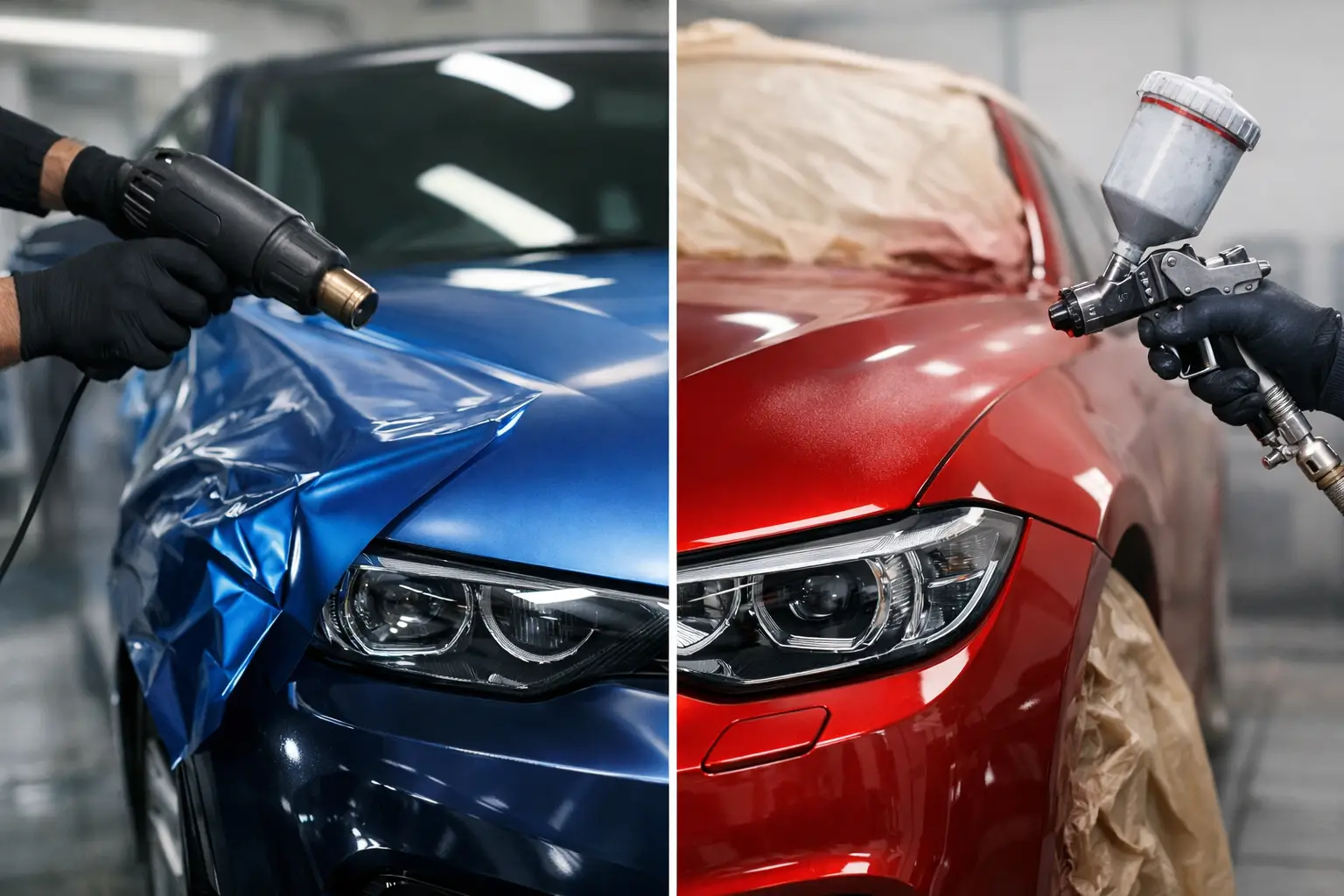
A color change can make an average vehicle look custom, clean, and expensive fast – but the wrong choice can also waste money just as fast. If you’re weighing vinyl wrap vs paint, the real answer is not which one is better in general. It’s which one fits your goals, your budget, and how you actually use the vehicle.
For some drivers, a wrap is the smart play because it delivers a dramatic visual upgrade without permanently changing the factory finish. For others, paint is worth the extra cost because they want long-term permanence, bodywork correction, or a true show-quality finish. Both have their place. The difference is in the details.
Vinyl wrap vs paint: the biggest difference
Vinyl wrap changes the appearance of your vehicle by covering the existing paint with a film. Paint changes the surface itself. That sounds simple, but it affects almost everything else – cost, downtime, reversibility, maintenance, and how repairs are handled later.
A wrap is ideal when you want a fresh look, custom color, satin or matte finish, graphics, branding, or paint protection from normal wear. It also gives you flexibility. If your style changes or you sell the vehicle later, the wrap can be removed.
Paint is the better fit when the original finish is badly damaged, the body needs significant correction, or you want a permanent refinish that becomes part of the vehicle. Paint can look incredible when done right, but great paintwork is labor-heavy, expensive, and much less forgiving if you change your mind.
Cost depends on more than the quote
Most people start with price, and that makes sense. In many cases, vinyl wrap comes in lower than a full high-quality paint job, especially if you’re changing the color of the entire vehicle. That’s one reason wraps have become such a popular option for daily drivers, exotics, work trucks, and branded fleets.
But there is a catch. A cheap wrap job is not the same thing as a professional wrap. Material quality, surface prep, edge finishing, disassembly, and installer skill all matter. If corners are cut, you may see lifting edges, trapped debris, uneven seams, or early failure.
The same is true with paint, only the stakes are usually higher. A low-cost paint job can look acceptable from a distance and disappointing up close. Overspray, mismatched panels, poor clear coat, and weak prep work show up quickly. If you’re comparing vinyl wrap vs paint purely on price, make sure you’re comparing professional work to professional work.
Finish options and visual impact
This is where wrap has a major advantage for style-driven owners. Vinyl opens the door to finishes that are harder, more expensive, or less practical to achieve with paint. Matte, satin, gloss, metallic, brushed textures, color shift effects, camouflage, printed graphics, and partial accents are all on the table.
That flexibility is a big deal if you want your ride to stand out without committing forever. Roof wraps, hood wraps, mirror caps, stripe packages, blackout trim, and custom branding can completely change the personality of a vehicle.
Paint still wins if your goal is absolute depth and richness, especially with premium gloss finishes or custom sprayed colors. A top-tier paint job has a depth that wrap cannot fully duplicate. If you’re building a true show car or restoring something special, paint may be the right move.
Durability in real-world driving
A professionally installed wrap can hold up very well, but it is still a film sitting on top of the paint. It can be scratched, gouged, or damaged by neglect. Sun exposure, poor washing habits, and harsh chemicals shorten its life. In South Florida, heat and UV matter, so material quality and proper care are not optional.
Paint is also vulnerable. It chips, swirls, fades, and oxidizes over time, especially if the vehicle lives outside. The difference is that wrap often acts as a sacrificial layer. It takes the abuse first, which helps preserve the paint underneath.
For many daily drivers, that is a strong argument for wrapping. If your factory paint is still in good condition, a wrap can help shield it from normal wear while giving you a whole new look. If the wrap gets old or damaged years down the line, you remove and replace the film instead of living with a worn custom paint job.
What about repairs?
Repair is one of the most overlooked parts of this decision.
If a wrapped panel gets damaged, that panel can often be rewrapped without redoing the whole vehicle. Color matching can still be a factor, especially with aged film, but spot replacement is usually more manageable than repainting multiple blended panels.
Paint repairs can be straightforward for small issues, or they can turn into a much larger process depending on the color, finish, and panel location. Matching paint perfectly is not always easy. Pearls, metallics, and older faded finishes can make a simple repair more complicated than expected.
That said, wraps are not magic. If the underlying bodywork is dented, rusted, or peeling, vinyl does not fix that. It can actually highlight flaws. A vehicle with damaged paint or body issues may need prep and correction first, and in some cases, repainting the vehicle is the better foundation.
Paint condition matters before you wrap
This is where honest shop guidance matters. A lot of customers assume wrap covers everything. It does not. If the clear coat is failing, if rust is present, or if previous repairs were done poorly, vinyl may not adhere properly or may telegraph those imperfections through the film.
A good candidate for wrapping has stable paint, a solid surface, and realistic expectations. If your vehicle has decent factory paint and you want a visual transformation, wrap makes a ton of sense. If the surface is already compromised, paint may be the smarter investment first.
Resale and reversibility
If preserving factory finish matters, wraps have a real edge. Since the original paint stays underneath, many owners like the idea of enjoying a bold custom look now and returning the vehicle to stock later. That can help with resale, lease-end concerns, or simply changing tastes.
Paint does not offer that flexibility. Once the vehicle is repainted, that change is permanent. For some buyers, a quality repaint is a plus. For others, especially on newer vehicles, non-factory paint raises questions about prior damage or repair history.
For commercial use, wraps also make a strong case. Branding can be added, updated, or removed without permanently altering the fleet. That is a practical business advantage, not just a style choice.
When vinyl wrap is the better choice
Wrap is usually the right move when you want customization, flexibility, and speed without stepping into the cost of premium paintwork. It works especially well for newer vehicles, leased vehicles, branded business vehicles, and enthusiasts who like changing styles over time.
It is also a strong option if you want selective upgrades instead of a full color change. Maybe you want gloss black trim, a satin hood, custom striping, or a roof wrap that sharpens the whole look. Those upgrades are where wrap really shines because you get visual impact without overcommitting.
When paint is the better choice
Paint is the better path when the vehicle needs body restoration, the original finish is failing, or you want a permanent result that becomes part of the build. If you’re chasing a high-end restoration or a long-term finish with no intention of reversing it, paint earns its place.
It is also the better answer when the surface condition makes wrap a bad candidate. No film can hide bad prep forever. Sometimes the smart call is to address the body and paint properly instead of forcing a wrap onto a weak surface.
So which one should you choose?
If your vehicle’s paint is in good condition and you want a dramatic change with more flexibility, vinyl wrap is often the better value. If your vehicle needs correction at the body and paint level or you’re after a permanent refinish, paint is the better investment.
The best choice is not the one that sounds best online. It is the one that matches the condition of your vehicle, how long you plan to keep it, how bold you want to go, and how much reversibility matters to you.
At Tint Station, this is the kind of upgrade decision we like to get right the first time. A custom vehicle should look intentional, not rushed. If you’re thinking about changing the color, adding accents, or giving your ride a cleaner, more aggressive finish, start by looking at the surface you already have and the result you actually want to live with.
The smartest upgrade is the one that still feels right every time you walk up to the vehicle months from now.