
Vinyl Versus Leather Upholstery: Which Wins?
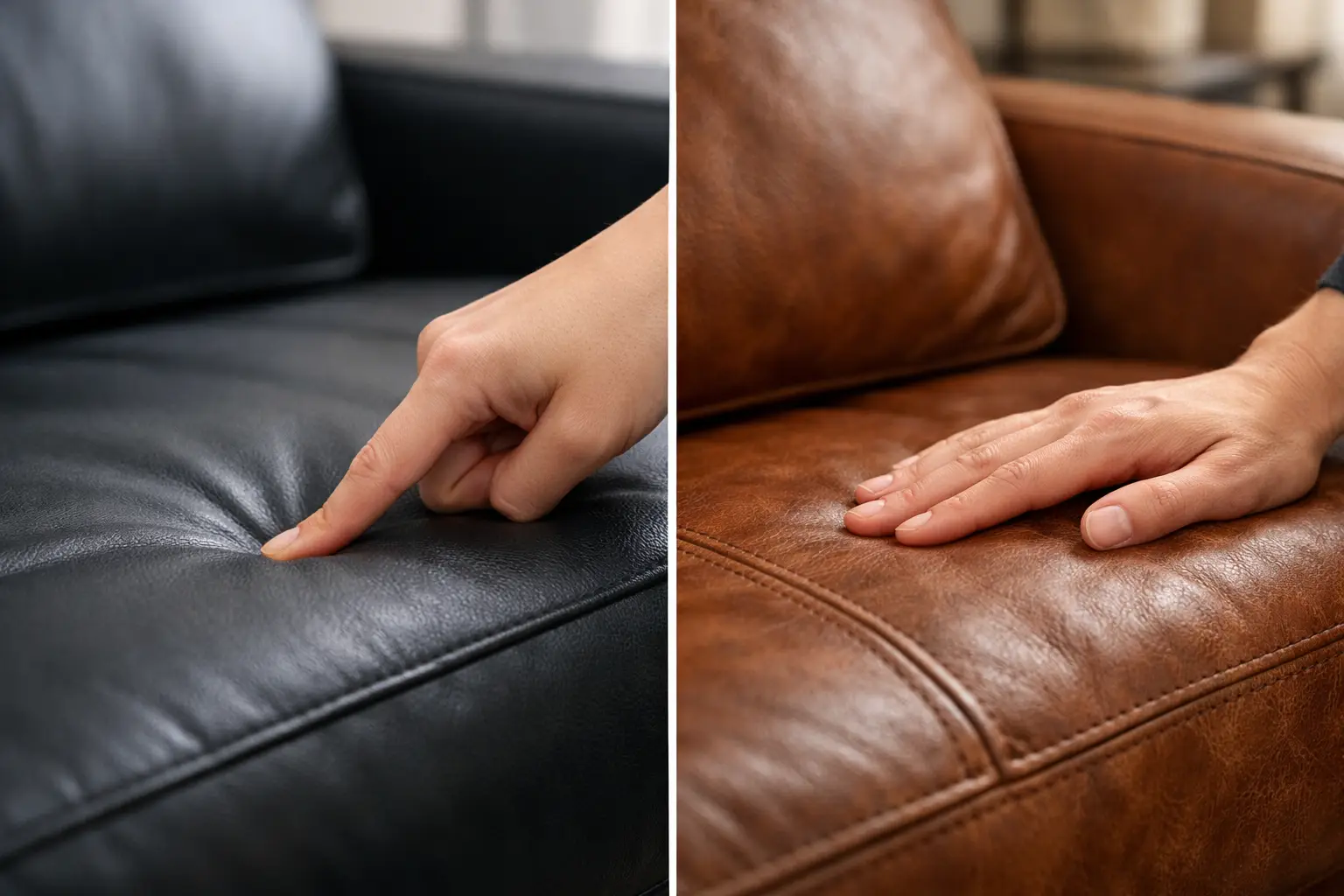
A new interior can change the entire feel of your vehicle, boat, motorcycle, or side-by-side. But when it comes to vinyl versus leather upholstery, the right choice is not just about looks. South Florida heat, salt air, wet gear, kids, pets, daily driving, and how you actually use the ride should all shape the decision.
Leather brings a premium, tailored feel that many drivers want in a custom build. Vinyl delivers serious durability, easier cleanup, and more design flexibility than most people expect. Neither is automatically better. The winning material is the one that matches your lifestyle, your budget, and the level of maintenance you are willing to give it.
Vinyl Versus Leather Upholstery: The Real Difference
Leather is a natural hide that has been treated, dyed, and finished for automotive or marine use. Its grain is unique, it softens over time, and it carries the upscale character people associate with luxury interiors. Quality leather can look incredible in a show build, luxury cruiser, classic restoration, or vehicle where the cabin experience matters as much as the exterior.
Vinyl is a synthetic material, typically built with a protective top layer over a flexible backing. Modern automotive and marine vinyl is not the stiff, shiny material many people picture from older interiors. Premium vinyl can be soft, textured, perforated, two-tone, diamond-stitched, color-matched, and shaped into clean custom panels. Some high-end vinyl options closely resemble leather from a few feet away.
One key detail: many factory interiors marketed as leather use genuine leather only on the center seating surfaces, with vinyl on the seat sides, backs, and door panels. A custom upholstery project gives you the chance to decide exactly where each material belongs instead of accepting a factory compromise.
Heat, Sun, and Humidity Matter in South Florida
If your vehicle sits outside in Deerfield Beach, the material has to handle intense UV exposure and high cabin temperatures. Both dark leather and dark vinyl can get hot in direct sunlight. The surface color, window tint performance, ventilation, and whether the vehicle is covered often matter as much as the material itself.
Leather can dry out, fade, or crack when it is repeatedly baked by the sun without regular protection. It needs a quality leather cleaner and conditioner to stay flexible. Vinyl does not need conditioning, and marine-grade options are built to resist UV, moisture, mildew, and staining. That makes vinyl a practical favorite for boats, open-top Jeeps, golf carts, UTVs, and work vehicles.
For either material, ceramic window tint can make a noticeable difference in cabin comfort by reducing solar heat and UV exposure. It will not turn a black seat into an ice pack, but it helps protect the upholstery while making the vehicle more comfortable when you climb in.
Lighter Colors Are Easier to Live With
Color deserves more attention than it gets. A light gray, tan, cream, or light blue seat generally feels less brutal after sitting in the sun than black, charcoal, or dark red. If you want a dark, aggressive interior, consider using lighter inserts, contrast stitching, or perforated center sections to bring visual depth without covering every surface in heat-absorbing material.
Durability: Daily Driver, Boat, or Weekend Build?
Vinyl usually wins the durability contest for hard-use environments. It handles spills, wet swimsuits, muddy boots, sunscreen, dog hair, and frequent passenger traffic with less stress. A quality marine vinyl seat can be wiped down quickly after a day on the water, while a vinyl work-truck interior can take more abuse than leather with minimal upkeep.
Leather is durable too, but it is not carefree. Sharp objects can scratch it, denim can transfer dye onto light-colored surfaces, and neglected leather can stiffen and crack. It works best for owners who value the material enough to maintain it and who do not regularly expose it to water, grime, or heavy cargo.
For a daily-driven luxury truck, sedan, or SUV, leather can be a great long-term choice if you keep up with care. For a family SUV with young kids, a fishing boat, a center-console, or a powersports build, vinyl often provides the better return because it keeps looking clean with less effort.
Cleaning and Maintenance Are Not the Same
Vinyl is straightforward. Use a cleaner made for vinyl or marine upholstery, wipe it with a soft microfiber towel, and avoid harsh solvents that can damage the protective finish. Regular cleaning matters because sunscreen, body oils, and salt residue can still wear on the surface over time.
Leather needs a gentler routine. Clean it with a leather-safe product, dry it completely, and condition it periodically to restore moisture and flexibility. Avoid soaking leather or using household cleaners, which can strip finishes and leave the material vulnerable.
If you want an interior that stays presentable between busy work weeks, weekend beach trips, and family runs, vinyl makes ownership easier. If cleaning the interior is part of how you enjoy your vehicle, leather rewards that extra attention with a richer finish and feel.
Style and Customization Potential
Leather has natural variation that gives every panel its own character. It is especially strong in refined builds: classic cars, executive trucks, luxury SUVs, and custom interiors that use clean lines, subtle stitching, and premium accent materials. It feels warm, smells distinct, and develops a patina that some owners genuinely love.
Vinyl gives custom upholstery more freedom to get bold. It is available in a huge range of colors, grains, metallic finishes, suede-like textures, carbon-fiber looks, and marine-ready patterns. It also works well for embroidered logos, contrast piping, custom door inserts, diamond stitching, and color themes tied to your paint, wheels, lighting, or audio build.
That makes vinyl a strong option when you want your interior to make a statement without making every future repair expensive. A custom two-tone vinyl interior can look sharp, hold up to real use, and fit a wider range of budgets than full leather.
Cost: Look Beyond the Initial Quote
Genuine leather usually costs more than vinyl because the raw material is more expensive and installation requires careful cutting, stitching, and handling. The final price varies with the seat design, number of panels, embroidery, foam repair, custom patterns, and whether door panels, headliners, consoles, or marine cushions are included.
Vinyl is typically more budget-friendly, but premium marine and automotive vinyl is not bargain-bin material. Higher-grade vinyl offers better UV resistance, color stability, abrasion resistance, and comfort. Choosing the cheapest option for a boat or sun-exposed vehicle can cost more later if it cracks, fades, or peels early.
The smarter question is not simply which material costs less. Ask which one gives your vehicle the right appearance and holds up under your real routine. A well-installed premium vinyl interior is often a better investment than leather that is constantly exposed to conditions it was never meant to handle.
How to Choose the Right Upholstery Material
Choose leather when your priority is a high-end cabin feel, natural texture, and a refined custom look. It is a strong fit for protected vehicles, luxury-oriented builds, classic restorations, and owners who do not mind regular care.
Choose vinyl when you need maximum resistance to moisture, sun, spills, and heavy use. It is ideal for marine upholstery, open-air vehicles, work trucks, family vehicles, powersports, and custom projects that need bold color or design options.
A mixed-material approach can also be the best of both worlds. Leather seating surfaces with vinyl bolsters and rear panels can deliver a premium touch where you feel it most while using durable synthetic material in high-wear areas. For marine builds, marine vinyl paired with textured accents can create a custom look without sacrificing water resistance.
Installation Quality Protects the Investment
The material matters, but the craftsmanship matters just as much. Poorly fitted upholstery can wrinkle, pull at seams, loosen around corners, and wear out early even when the material itself is high quality. Proper foam repair, panel patterning, seam placement, backing selection, and fastening all affect the finished look and lifespan.
At Tint Station, custom upholstery should feel built for the way you use your ride, not pulled from a generic catalog. Whether you are refreshing tired boat cushions, upgrading a daily driver, or planning a full custom interior around your audio and lighting setup, the goal is clean fitment, durable materials, and a style that looks intentional from every angle.
Before choosing, ask to see and feel actual material samples in the sunlight. The right upholstery is the one you will still be proud to sit on after a hot afternoon, a wet weekend, and years of real miles.