
Vehicle Wrap Design Guide for a Standout Build
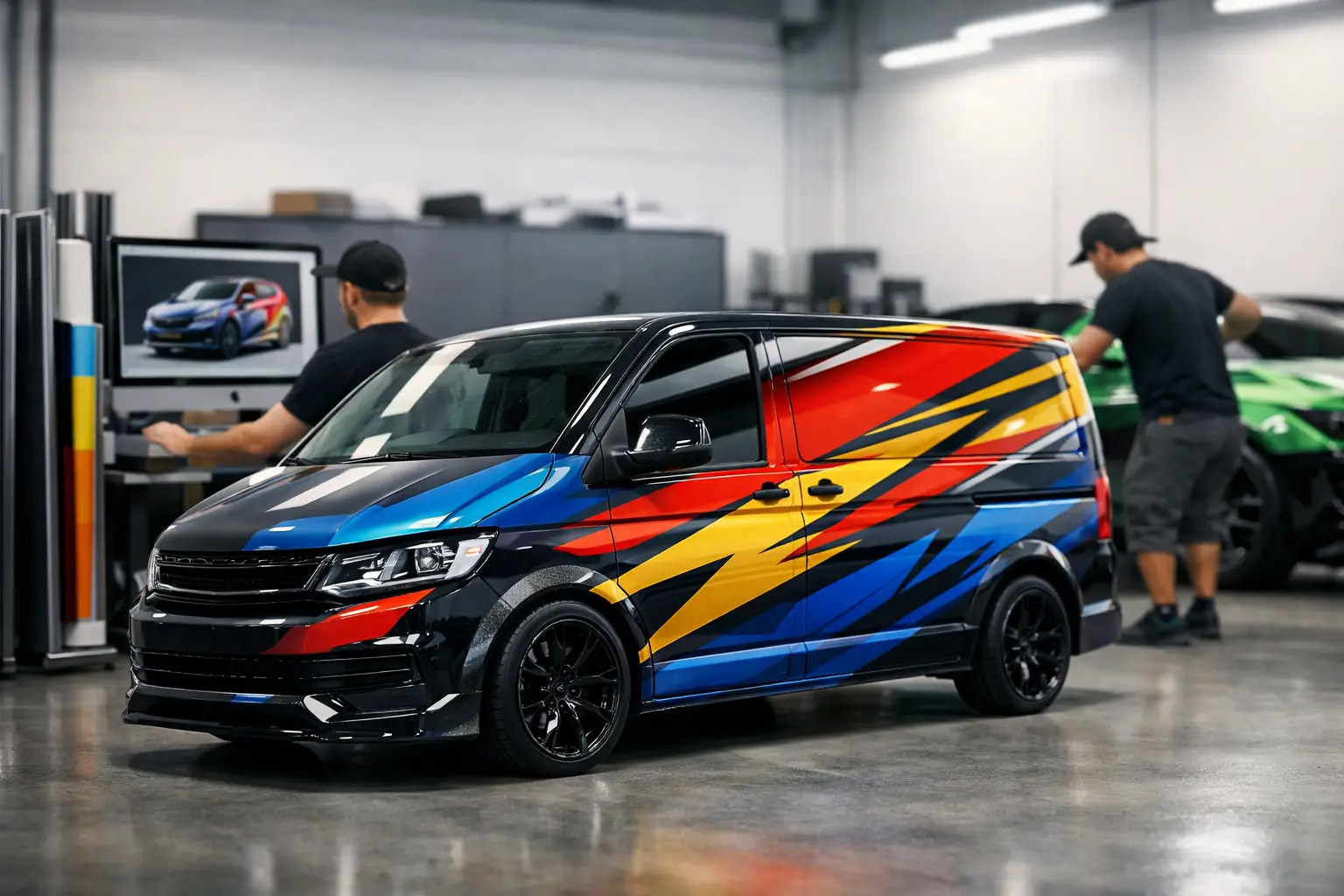
A great wrap gets attention before the engine is even off. Whether you want your personal build to look sharper on Federal Highway or need a fleet vehicle to generate calls while it is parked, this vehicle wrap design guide starts with one rule: design for the vehicle, not just for a screen. The curves, body lines, windows, handles, and viewing distance all affect whether a concept looks premium or feels like a sticker collage.
A wrap is a major visual upgrade, but it is also a working investment. The best designs match the owner’s goal, use materials intelligently, and leave room for expert installation. Here is how to get it right before production begins.
Start Your Vehicle Wrap Design With One Clear Goal
Every successful wrap has a job. For a business, that job may be brand recognition, lead generation, or making a service vehicle look more established at every stop. For an enthusiast, it may be creating a one-of-one look without committing to permanent paint. Those are different goals, and they require different design choices.
A commercial wrap needs to communicate fast. Someone seeing your truck at a light may only have three seconds to understand who you are and what you offer. Your company name, a readable service description, and a clear way to contact you should lead the composition. Save the small print for places where customers can stand close, such as rear doors or quarter panels.
A personal wrap can be more expressive, but restraint still wins. A satin black roof, color-shift accents, printed graphics, or a full color change can create serious impact without putting something loud on every panel. Think about the look you want from 20 feet away, not only the detail you notice up close.
Know the Difference Between Full, Partial, and Accent Wraps
Your budget and the vehicle’s condition should guide the scope of the project. A full wrap covers nearly every painted exterior panel and creates the biggest transformation. It is ideal for a complete color change, detailed printed artwork, or a cohesive branded fleet look.
A partial wrap uses select panels, often paired with the vehicle’s factory paint. This works especially well for businesses that want strong branding without covering every inch of the vehicle. A properly designed partial wrap does not look like a reduced version of a full wrap. It uses the original paint color as part of the design.
Accent wraps focus on high-impact details such as hoods, roofs, mirrors, spoilers, pillars, rocker panels, or racing stripes. They are a smart choice for owners who want a fresh visual upgrade while preserving a cleaner factory-style appearance. Accents can also tie together other modifications like black wheels, tinted windows, LED lighting, or custom audio work.
The right option depends on the vehicle and the goal. A dark factory SUV may need only bold door graphics and a rear-window message for a clean commercial look. A performance car with faded paint may benefit more from a complete wrap that refreshes its presence from every angle.
Build the Design Around the Vehicle’s Body Lines
Vehicle templates are useful, but they do not replace real-world planning. Door seams interrupt graphics. Curved bumpers distort text. Recessed areas, handles, sensors, and trim create natural breaks that must be considered before anything is printed.
Strong wrap design uses those features instead of fighting them. A stripe can follow a body crease. A color transition can land at a door seam. A bold graphic can sit on the rear quarter panel where there is enough uninterrupted space to be seen. When artwork ignores the vehicle’s structure, it can look misaligned even when the installer has placed it perfectly.
Text deserves extra attention. Avoid placing phone numbers, websites, or key messaging across handles, fuel doors, panel gaps, and deep contours. On commercial vehicles, the side panel is usually the most valuable advertising space, while the rear is often the best spot for a direct call to action. Keep primary wording large enough to read at a distance.
Design for Motion, Not Just a Parking Lot
Vehicles move quickly through traffic, and most people see them in a glance. Fine patterns and dense paragraphs can disappear at speed. Use contrast, scale, and simple visual hierarchy so the main message lands first.
For a branded work vehicle, this usually means logo first, service second, and contact information third. For a custom build, it means choosing one hero element, such as a bold color, graphic texture, or finish, rather than competing ideas across every panel.
Choose Colors and Finishes That Work in South Florida
South Florida sun is hard on everything outside, including graphics. The material quality, finish selection, maintenance habits, and parking conditions all matter. A professional-grade film installed correctly gives you a much better result than bargain materials that can fade, shrink, or lose their finish early.
Color choice is not only about personal taste. Matte and satin finishes create a modern, stealthy appearance but can require more careful cleaning than gloss. Gloss wraps offer a paint-like shine and often suit luxury or high-visibility commercial vehicles. Metallic, pearlescent, chrome, and color-shift films make a statement, though they can increase material cost and may be harder to repair invisibly if a panel is damaged.
Printed wraps offer nearly unlimited creative freedom, from camouflage and carbon-fiber-inspired effects to branded patterns and full artwork. They are excellent for businesses that need a specific color palette or campaign graphics. Just remember that highly detailed designs can date faster than a clean, confident layout.
Light colors can help keep the exterior appearance brighter under intense sun, while dark finishes deliver drama and contrast. Neither is automatically better. The smart choice is the one that fits your style, use case, and willingness to maintain it.
Use Branding Without Turning the Vehicle Into a Billboard
A commercial wrap should feel polished, not crowded. Many business owners try to list every service, certification, phone number, social handle, and offer on the vehicle. The result is often hard to read and easy to forget.
Choose the information that will create action. A recognizable logo, short service category, phone number, and clean location cue may be all you need. If your brand is already known locally, a simple design can look more premium and be more memorable than a packed layout.
Consistency matters, too. Use the same colors, typefaces, and tone across your vehicles, uniforms, signage, and digital presence. A fleet with matching wraps immediately looks more organized and credible. That perception matters when customers are deciding who they want at their home, business, or job site.
Prepare the Vehicle Before Installation
A wrap is not a cover-up for every surface issue. Film can conform over minor texture, but it will not make peeling clear coat, rust, deep dents, loose trim, or failing paint disappear. In some cases, those issues can show through the finished wrap or cause trouble when the film is removed later.
Before installation, the vehicle should be thoroughly cleaned and inspected. Wax, ceramic coatings, silicone dressings, road film, and adhesive residue can interfere with proper adhesion. Any bodywork or fresh paint should be fully cured before wrapping.
This is also the time to decide which parts should be removed or worked around. Removing certain trim pieces, badges, lights, or handles can create a cleaner finished edge, but it takes additional labor and must be done carefully. The best approach depends on the make, model, condition, and desired finish level.
Plan for Real-World Maintenance and Repairs
A professionally installed wrap can protect the underlying paint from everyday exposure, but it is not indestructible. Road debris, parking-lot damage, aggressive chemicals, and neglected cleaning can shorten its life. Hand washing with wrap-safe products is the safest routine. If using a pressure washer, keep the spray away from edges and avoid blasting seams directly.
Park in covered areas when possible, especially during long periods of intense heat. Bird droppings, tree sap, and fuel spills should be cleaned promptly. For commercial vehicles, regular cleaning is part of the marketing plan. A sharp wrap on a clean truck builds confidence. A dirty, damaged wrap sends the opposite message.
Panel repairs are possible, but there is a trade-off. Solid color films are often easier to replace cleanly. Printed wraps may need careful file storage and color matching to reproduce a damaged section. Save your final design files and keep records of the exact material used.
Work With an Installer Early
The best time to involve your installer is before the design is final. An experienced shop can flag placement issues, recommend finishes, confirm what can realistically be wrapped, and help you avoid paying for artwork that will not perform well on the vehicle.
At Tint Station, the goal is not to put vinyl on a vehicle and call it done. It is to build a finish that fits your style, your business, and the way you use your ride. Bring your ideas, reference photos, logo files, and budget range to a consultation. The right design should make every drive feel more intentional – and every first impression count.