
Office Window Film Installation Done Right
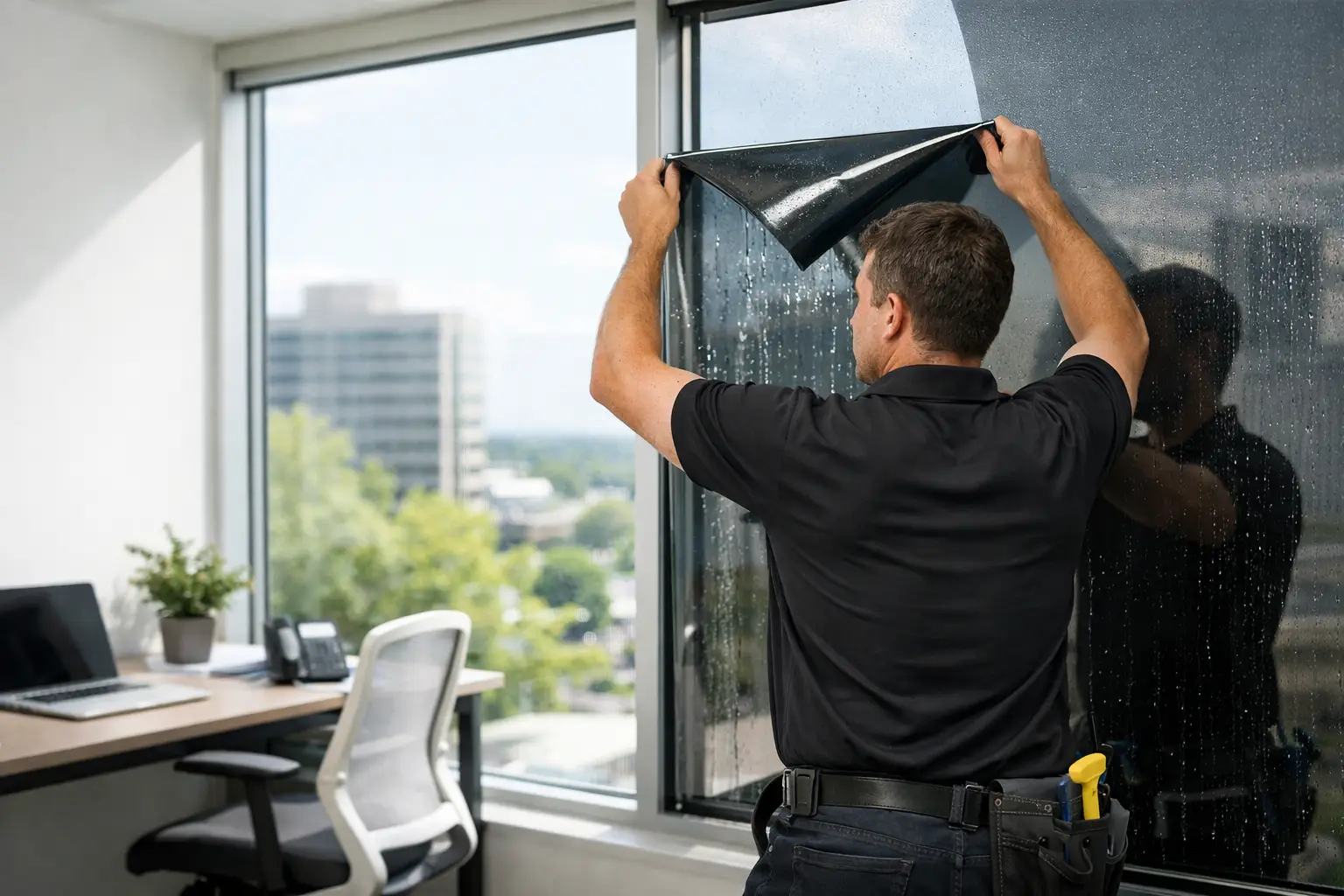
That conference room with the afternoon glare problem is not just annoying – it costs focus, comfort, and sometimes even privacy. Office window film installation is one of the fastest ways to upgrade a workspace without tearing into walls, replacing glass, or shutting down your business for a full remodel.
For offices in sunny markets like South Florida, the payoff is even more obvious. Heat builds fast, screens wash out, and employees start adjusting blinds all day just to see what is on the monitor. The right film changes that. It helps control heat, cuts glare, improves privacy, and gives the space a sharper, more finished look from both inside and out.
Why office window film installation makes sense
A lot of business owners first look at window film because of one problem, then realize it fixes several at once. Maybe the front office feels like a greenhouse by 2 p.m. Maybe street-facing glass leaves staff on display. Maybe customers can see into private work areas, or the lobby looks dated because the windows show every blind and every mismatch inside.
Window film is a clean upgrade because it works with the glass you already have. That means less disruption, lower cost than replacement, and more control over the exact result. Some offices want a subtle solar film that keeps the view while reducing heat and glare. Others need frost or decorative film for interior partitions, conference rooms, and entry glass. Some want security film for added protection against breakage and smash-and-grab risk. It is not one product for every building. The best result comes from matching the film to the real use of the space.
That is where a professional approach matters. Good office tint is not just about making glass darker. It is about balancing daylight, appearance, privacy, and performance so the office works better every day.
What a professional office window film installation should solve
If a film quote only talks about shade, that is too basic. Commercial glass has different exposures, different room uses, and different visual demands. A front-facing lobby, a west-facing conference room, and an interior office wall should not all get treated the same way.
A proper installation starts with the problem. Heat rejection matters if employees near the glass are uncomfortable. Glare reduction matters if screens are hard to read. Daytime privacy matters if your office sits close to neighboring buildings or heavy foot traffic. Brand appearance matters if your storefront or office exterior needs to look polished and consistent.
Security can also be part of the conversation. While film is not a replacement for impact-rated systems or full physical security planning, certain security films can help hold shattered glass together longer. That can reduce hazards, slow forced entry, and limit the mess and downtime after breakage. For some businesses, that extra layer is a smart add-on. For others, solar or decorative film will deliver the bigger day-to-day value. It depends on the building, the glass, and how the office is used.
Types of office window film and where they work best
Solar film is the go-to option for many commercial spaces because it tackles the biggest comfort issues first. It helps reduce heat and glare while keeping the office brighter and more open than blinds alone. Depending on the product, it can also block a large amount of UV exposure, which helps protect flooring, furniture, and finishes from fading.
Privacy film works differently. Reflective films can create daytime privacy on exterior glass, but that effect changes with lighting conditions. At night, when the office is lit and it is darker outside, the privacy benefit can drop. Frosted and decorative films are often better for interior office partitions, conference rooms, and reception areas where you want a permanent privacy solution without totally closing off the space.
Security film is about glass retention. It can make windows harder to shatter cleanly and help hold broken glass in place. That matters for safety as much as security. It is especially useful in offices with vulnerable entry points or large glass sections, but expectations should stay realistic. The film improves resistance – it does not make standard glass indestructible.
Decorative film gives businesses a style play along with function. It can create a custom look on interior glass, separate work areas, add subtle branding, or make conference rooms feel more private without losing a modern open-office design. For businesses that care about presentation, this is where utility and appearance meet.
Office window film installation vs. replacing glass
Glass replacement has its place, but it is often more expensive, more disruptive, and slower to complete. If the existing glass is structurally sound, film can deliver meaningful performance gains without the cost and downtime of full replacement.
That said, film is not always the answer to every issue. If seals have failed, if glass is badly damaged, or if the building has code or structural concerns, replacement may still be necessary. Film works best when the glass itself is in decent condition and the goal is to improve comfort, privacy, appearance, or safety.
For many offices, that makes film the smarter first move. You get a noticeable upgrade without turning the property into a construction zone.
What to expect during office window film installation
A professional job should feel organized from the first walkthrough. The installer should look at sun exposure, glass type, room use, and the specific problem areas instead of offering a one-size-fits-all recommendation. A west-facing wall of glass needs a different solution than interior conference room panels.
Preparation matters. Glass has to be cleaned thoroughly because dust, adhesive residue, and debris will show through the finished product. The film is then carefully measured, trimmed, and applied to minimize contamination, bubbling, and edge lift. Commercial work also calls for consistency. If one panel looks darker, lighter, or sloppier than the next, the whole office feels off.
Dry time and curing time are part of the process too. Some film may look slightly hazy or show minor moisture pockets at first as it settles. That does not always mean something went wrong. A quality installer will explain what is normal, what is not, and how to care for the glass after installation.
Scheduling is another part of the value. Office work often needs to happen around staff, customers, and operating hours. The right team plans around that so the upgrade improves the workspace instead of interrupting it.
Choosing the right film for your office
This is where many businesses either get a great result or end up disappointed. The darkest film is not automatically the best performer. The most reflective product is not always the right look for a professional office. And the cheapest option can become expensive fast if it fails early, looks uneven, or does not solve the original problem.
If your main issue is heat, look closely at solar performance. If your issue is privacy between rooms, decorative or frosted film may be the stronger fit. If you want both appearance and practical value, combining solutions across different areas often makes the most sense. The front exterior, side office windows, conference room walls, and reception area may all need different treatments.
This is also where product quality matters. Better films tend to offer stronger optical clarity, more stable color, and longer-lasting performance. In a professional setting, those details show. A sharp, clean finish supports the image of the business. A low-grade install can do the opposite.
Why installation quality matters as much as the film itself
Even premium film can look bad in the wrong hands. Dust contamination, poor trimming, visible gaps, and peeling edges are the kind of problems people notice every day, especially in an office where clients, tenants, and staff are constantly around the glass.
Professional installation is about precision. It is also about knowing what film can and cannot do on certain glass types, how to avoid compatibility issues, and how to deliver a consistent look across multiple windows and rooms. That is especially important in commercial spaces where appearance is part of the brand experience.
For businesses that want a cleaner look, better comfort, and long-term value, craftsmanship is not an extra. It is the job.
A smart office upgrade should solve real problems and make the space feel better the minute people walk in. If your glass is bringing in too much heat, too much glare, or not enough privacy, office window film installation is a practical move that looks sharp and works hard. If you are ready to improve the way your space performs, getting a tailored quote from a shop that understands both function and finish is the right next step.