
Privacy Window Film for House: What to Know
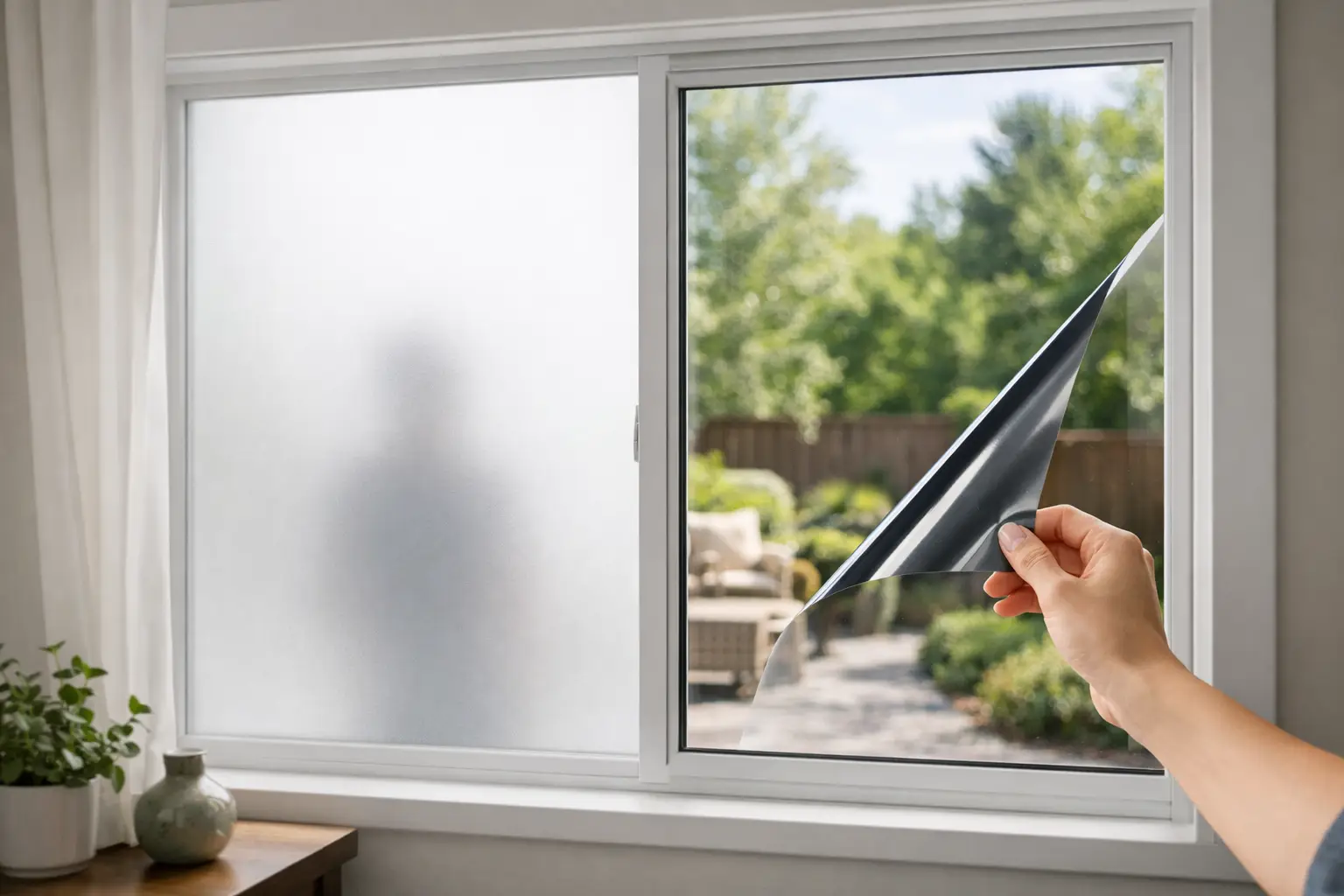
You notice it fast in South Florida – the front room feels exposed, the afternoon sun hits hard, and closing the blinds all day makes the house feel darker than it should. That is exactly why privacy window film for house windows has become a smart upgrade for homeowners who want more control without giving up natural light.
The right film does more than block a view from outside. It can reduce glare, help manage heat, filter UV exposure, and clean up the look of your glass at the same time. But not every privacy film performs the same way, and the best choice depends on where the window faces, what time of day privacy matters most, and how much light you want to keep.
What privacy window film for house windows actually does
At its core, privacy film changes how visible your interior is through the glass. Some films use reflectivity to create a mirrored exterior effect during daylight hours. Others use frosted or decorative finishes to blur shapes and block direct sightlines. The result can be subtle or dramatic depending on the product.
This is where a lot of homeowners get tripped up. Privacy is not one-size-fits-all. A film that works beautifully on a street-facing front window may be the wrong move for a bathroom, sidelights by the front door, or a large living room window that gets heavy evening exposure.
Daytime privacy films are especially popular because they let in light while making it much harder for people outside to see in. That is a strong fit for homes with close neighbors, busy sidewalks, or large front-facing glass. The trade-off is simple – most reflective films work best when it is brighter outside than inside. At night, if your lights are on and it is dark outdoors, the privacy effect drops.
The main types of privacy window film for house use
Reflective film is the option most people picture first. It creates a more mirrored exterior appearance during the day and is one of the strongest choices for daytime privacy. It also helps with glare and solar heat gain, which matters in hot climates. If your home gets hammered by sun through west- or south-facing windows, this style can do real work.
Frosted film takes a different approach. Instead of reflecting, it obscures the view through the glass. You still get light, but details disappear. This is a strong choice for bathrooms, entry glass, garage door windows, and any spot where you want more consistent privacy regardless of daylight conditions.
Decorative and textured films sit in the middle. These are often chosen when the goal is both privacy and style. They can soften visibility while adding a custom look to sidelights, cabinet glass, office partitions, or interior glass doors. They do not usually deliver the same heat rejection as performance-focused films, but they can transform the feel of a space.
Dual-reflective films are another option worth knowing about. These are designed to provide stronger outward views from inside during the day while keeping a less mirrored appearance indoors. For homeowners who want privacy without a heavy reflective look from the interior, this can be a better balance.
Where privacy film works best in a home
The best installations are usually strategic, not blanket coverage on every window. Street-facing windows are obvious candidates because they are where exposure feels the strongest. Front doors with glass inserts and sidelights are another big one. These areas often need privacy the most, but homeowners still want a clean, finished appearance and some daylight.
Bathrooms are ideal for frosted film because privacy matters around the clock. Kitchens can benefit too, especially if the sink faces a neighbor or a walkway. In open-concept living areas, solar privacy film can be a smart move if the same windows are also causing glare on TVs and fading on furniture.
Bedrooms depend more on your priorities. If the concern is daytime visibility from nearby homes, reflective film can help. If the issue is total privacy at all hours, you may still want window treatments paired with film. That combination gives you flexibility without making the room feel closed off all day.
Privacy is only part of the value
A good house film upgrade should solve more than one problem. Privacy gets attention first, but many homeowners end up happiest when the film also improves comfort. Heat rejection is a major benefit in warm climates where sun-loaded rooms become unusable in the afternoon. Less heat coming through the glass can make a room feel more stable and reduce the strain on your HVAC system.
UV protection is another big advantage. Quality window films can block a large percentage of UV rays that contribute to fading on floors, furniture, rugs, and artwork. That matters in homes with large windows and lots of natural light.
Glare reduction is the quiet benefit people do not always ask for, then immediately appreciate. If you work from home, watch TV in a bright family room, or spend time in a kitchen with intense afternoon sun, cutting glare changes how usable the room feels.
What to think about before choosing a film
Window orientation matters more than most homeowners expect. East-facing windows bring one set of light conditions, while west-facing glass often takes the harshest heat and glare later in the day. A film that looks perfect on one side of the house may not be the best match on another.
You also need to be honest about when you want privacy. If your biggest concern is people seeing in during the day, reflective film may be exactly right. If you want privacy at night with the lights on, frosted or more obscuring options make more sense in the rooms where that matters.
Appearance matters too. Some homeowners love a sharp, modern reflective look from the outside. Others want a softer finish that blends into the home without changing the exterior style much. There is no universal right answer. It comes down to whether your priority is maximum daytime privacy, subtle aesthetics, or a balance of both.
Then there is the glass itself. Different window types can affect compatibility, especially with certain insulated or specialty glass units. This is one reason professional evaluation matters. The goal is not just to install film – it is to install the right film for that specific window setup.
DIY sounds easy until the glass shows every mistake
Small film kits make the project look simple, but residential glass is unforgiving. Dust, edge lift, trapped moisture, creases, and visible contamination can turn a clean privacy upgrade into a constant annoyance. Large panes are even tougher because alignment and shrink quality matter.
Professional installation is about more than convenience. It gives you cleaner finishes, better durability, and a film recommendation based on performance instead of guesswork. That matters when you are spending money to improve privacy, comfort, and the overall look of the home.
An experienced installer can also help you avoid over-darkening a room or choosing a film that solves one problem while creating another. Sometimes the strongest privacy option is not the best fit because it cuts too much visible light. Other times a lighter film gives enough privacy while preserving the bright, open feel you actually want.
Common expectations homeowners should set upfront
Film is powerful, but it is not magic. Reflective privacy film does not replace blackout curtains for nighttime privacy. Frosted film gives up your view in exchange for stronger concealment. Some films noticeably change the exterior look of the home, while others are far more understated.
That is why the best results come from clear priorities. If the goal is to stop direct views into a front room during the day, keep the space bright, and reduce solar load, there are excellent options. If the goal is full-time privacy in a bathroom or entry glass, there are excellent options for that too. The mistake is assuming one film type should handle every room the same way.
Is privacy window film worth it?
For many homeowners, yes – especially when the windows are already a source of heat, glare, or exposure. Privacy window film for house applications is one of those upgrades that can feel subtle at first and then become something you appreciate every single day. The room feels more comfortable. The glass feels more functional. The house feels less exposed.
And because it works directly on the existing window, it is often a cleaner solution than relying only on heavy shades or keeping blinds shut. You get more privacy without automatically giving up daylight, which is usually the whole point.
If you are considering privacy film, the smartest move is to think room by room instead of trying to pick one catch-all product. The right film should match the way you live in the space, the amount of sun that hits the glass, and the level of privacy you actually need. When those pieces line up, the upgrade does exactly what it should – make your home feel better to live in every day.