
Are LED Headlights Legal? What Drivers Need to Know
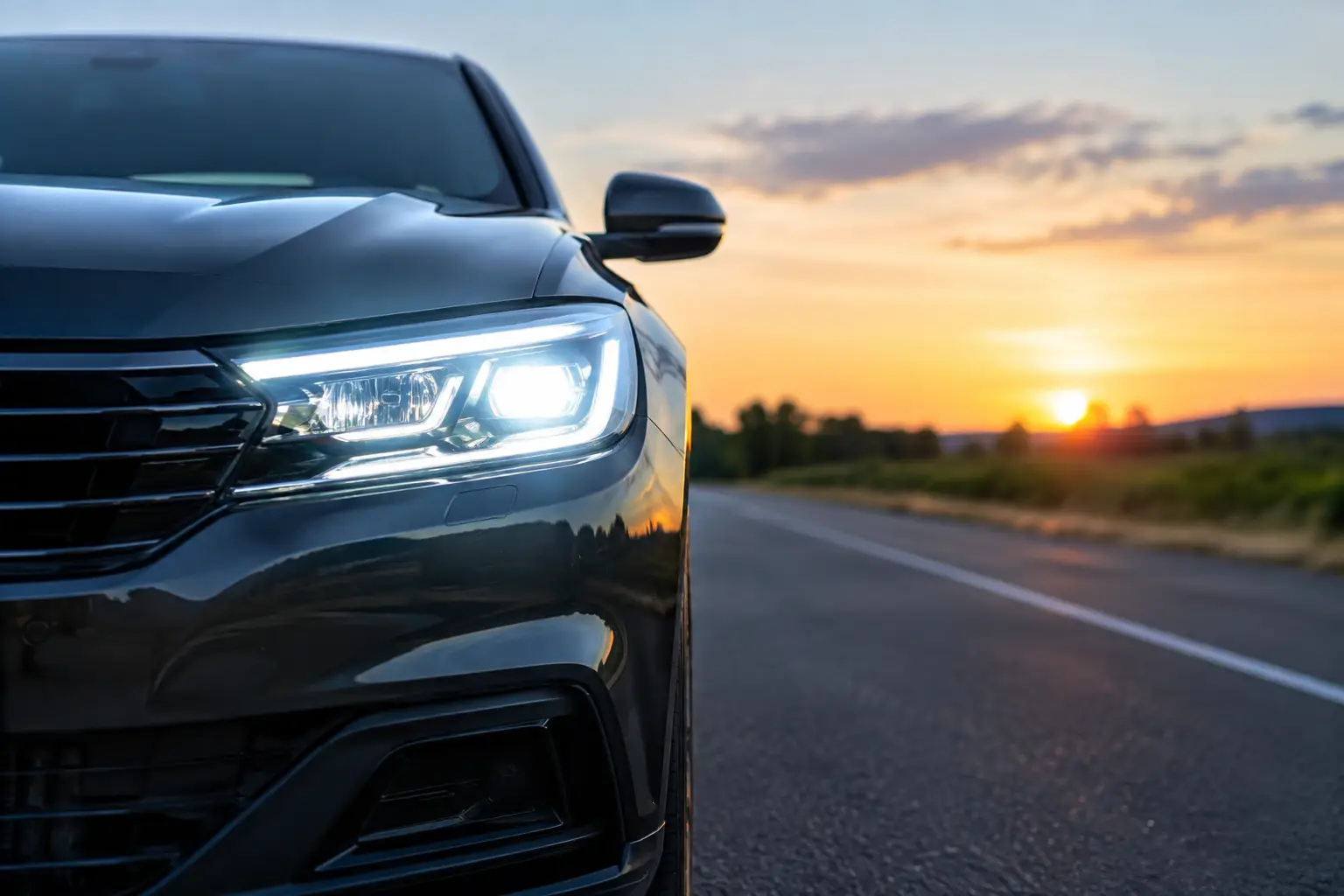
A brighter front end can transform how your vehicle looks after dark, but the question is not simply whether an LED bulb turns on. Are LED headlights legal when installed in your current headlights? Sometimes. The answer depends on the complete lighting setup, including the housing, beam pattern, color, aim, and the laws where you drive.
For South Florida drivers, that distinction matters. A clean LED upgrade can sharpen nighttime visibility and give your truck, SUV, sedan, motorcycle, or powersports build a premium look. A poorly matched kit can throw glare into oncoming traffic, attract unwanted attention, and leave you with less useful light where you actually need it.
Are LED Headlights Legal on U.S. Roads?
LED headlights themselves are legal in the United States. Many new vehicles leave the factory with LED headlight systems, and properly engineered LED assemblies are built to meet applicable federal lighting requirements.
The trouble usually starts with a simple bulb swap. Traditional halogen headlamp housings were designed around a halogen filament in a very precise position. An LED replacement bulb has a different light source shape and location. Even when the LEDs look extremely bright against a garage door, the reflector or projector may not control that light correctly on the road.
That can create a scattered beam, a fuzzy cutoff line, dark spots ahead of the vehicle, or glare above the beam cutoff. Brightness alone is not better visibility. Controlled light is better visibility.
Federal standards govern how vehicle lighting equipment is designed and certified, while states enforce rules for vehicles being driven on public roads. State rules can address headlight color, required lamps, aiming, auxiliary lighting, and prohibited glare. Florida drivers should also understand that a setup can look great at a meet and still be the wrong choice for daily highway use.
The Housing Matters More Than the Bulb Box
The strongest legal LED solution is usually a complete LED headlamp assembly made for your specific vehicle. A quality vehicle-specific assembly is designed, tested, and marked as a full unit. The optics, LED source, heat management, and beam pattern are engineered to work together.
A plug-in LED bulb installed in a halogen housing is more complicated. Some may produce an acceptable pattern in certain projector housings, but there is no universal answer. The same bulb can behave very differently in two vehicles because each headlight uses different optics.
Be careful with packaging that says “DOT approved.” The Department of Transportation does not individually approve every aftermarket bulb for every housing. Manufacturers are responsible for certifying that their equipment complies with applicable standards. A DOT marking on an assembly can be meaningful, but it does not automatically prove that any replacement LED bulb is legal in any factory halogen reflector.
Before upgrading, inspect the headlight lens and housing condition. Cloudy lenses, damaged reflectors, water intrusion, and weak wiring can ruin the result of even a premium LED conversion. Sometimes restoring the lenses, replacing worn components, or installing a complete assembly delivers a safer improvement than chasing the highest-lumen bulb advertised online.
Reflector vs. projector headlights
Reflector headlights use the reflective bowl behind the bulb to shape the beam. They can be especially sensitive to changes in bulb design. If the LED chips do not sit where the halogen filament would sit, light can spray in the wrong direction.
Projector headlights use a lens and shield to create a more defined cutoff. They often offer better control, but they are not automatically compatible with every LED bulb. Fitment, focal position, cooling clearance, and final beam aim still need to be checked.
The right approach is to evaluate the vehicle, not just the bulb type. That is how you avoid the common “brighter but worse” upgrade.
Color, Brightness, and Aim Can Make a Legal Setup Illegal
Most states require forward-facing headlights to display white light, with limited exceptions for certain equipment. Blue, purple, red, or green lights on the front of a street-driven vehicle can create legal problems and can be confused with emergency lighting. A very cool white LED may also appear blue in real-world conditions, especially from certain angles.
For a clean daily-driver look, neutral white or slightly warm white lighting is usually the smarter move. It provides a modern appearance without pushing into that obvious blue glare that gets noticed for all the wrong reasons.
Aim is just as critical. Headlights should illuminate the road ahead without shining into the mirrors and windshields of other drivers. Lifting a truck, lowering a car, changing suspension components, replacing a housing, or adding LED bulbs can all change where the beam lands.
A proper wall check is a useful starting point, but it is not a substitute for a professional inspection and adjustment. Park on level ground, verify both beams have a defined and even pattern, and look for excessive light above the cutoff. Then confirm the aim with the vehicle loaded as it is normally driven. A truck that is aimed correctly empty can sit differently with tools, gear, or a trailer tongue weight in the back.
What About LED Light Bars and Accent Lighting?
Light bars, pod lights, grille lights, and underglow can make a build stand out, but they belong in a different category from headlights. Many auxiliary LED lights are sold for off-road use, work sites, trails, marine use, or private property. That does not mean they are legal to operate on public roads.
A high-output light bar can be valuable on a trail rig or work vehicle when used in the right environment. On the street, it can overwhelm other drivers and may violate state equipment rules if it is uncovered or illuminated. The same goes for flashing patterns and colors associated with police, fire, ambulance, or other emergency vehicles.
Accent lighting is where smart customization matters. The cleanest builds use properly placed, legally appropriate lighting that complements the vehicle instead of turning the front end into a distraction. A professional installer can wire switches, relays, fuses, and controls correctly so auxiliary lighting is dependable and used only where it belongs.
A Better Way to Upgrade Your Headlights
Start with the result you want. If your factory headlights feel weak, determine whether the issue is faded lenses, aging halogen bulbs, poor aim, voltage loss, or simply an outdated housing. Each problem calls for a different fix.
If you want a factory-plus appearance and reliable road performance, choose a quality complete LED assembly designed for your year, make, and model whenever available. If an LED bulb retrofit is the best option for your vehicle, select a reputable kit with the correct fitment, proper thermal management, and a design intended to place the LED emitters in the closest possible position to the original filament.
After installation, test low beams and high beams separately. Make sure dust caps fit, cooling fans have room to operate, wiring is secure, and no warning lights appear. Check the beam on a wall and on a dark road without traffic. If the light scatters upward, creates uneven patches, or looks blinding from outside the vehicle, do not assume it is normal because the bulbs are brighter.
For Florida drivers, weather adds another consideration. Heavy rain and wet pavement can make extremely blue-white light feel harsher and reduce contrast. A balanced color temperature and a focused pattern often provide more confidence in real driving conditions than an ultra-cool, high-output setup.
When Professional Installation Is Worth It
Headlight upgrades can involve more than changing two bulbs. Modern vehicles may use CAN bus systems, sensitive electronics, adaptive features, integrated daytime running lights, and tight access behind the headlamp. A rushed install can lead to flickering, error messages, moisture issues, overheated components, or a beam pattern that needs correction.
Tint Station can help evaluate lighting upgrades as part of a complete custom build, whether you are after a safer nighttime commute, a refined LED headlight conversion, or off-road lighting installed with the right controls. The goal is not to make your vehicle obnoxiously bright. It is to make it look sharper, perform better, and stay ready for the road.
Before you buy the first LED kit that promises huge lumen numbers, look at the full system in front of the vehicle. The best headlight upgrade puts usable light on the pavement, keeps other drivers comfortable, and matches the level of craftsmanship you expect from the rest of your ride.