
Vehicle Kill Switch Installation: Is It Worth It?
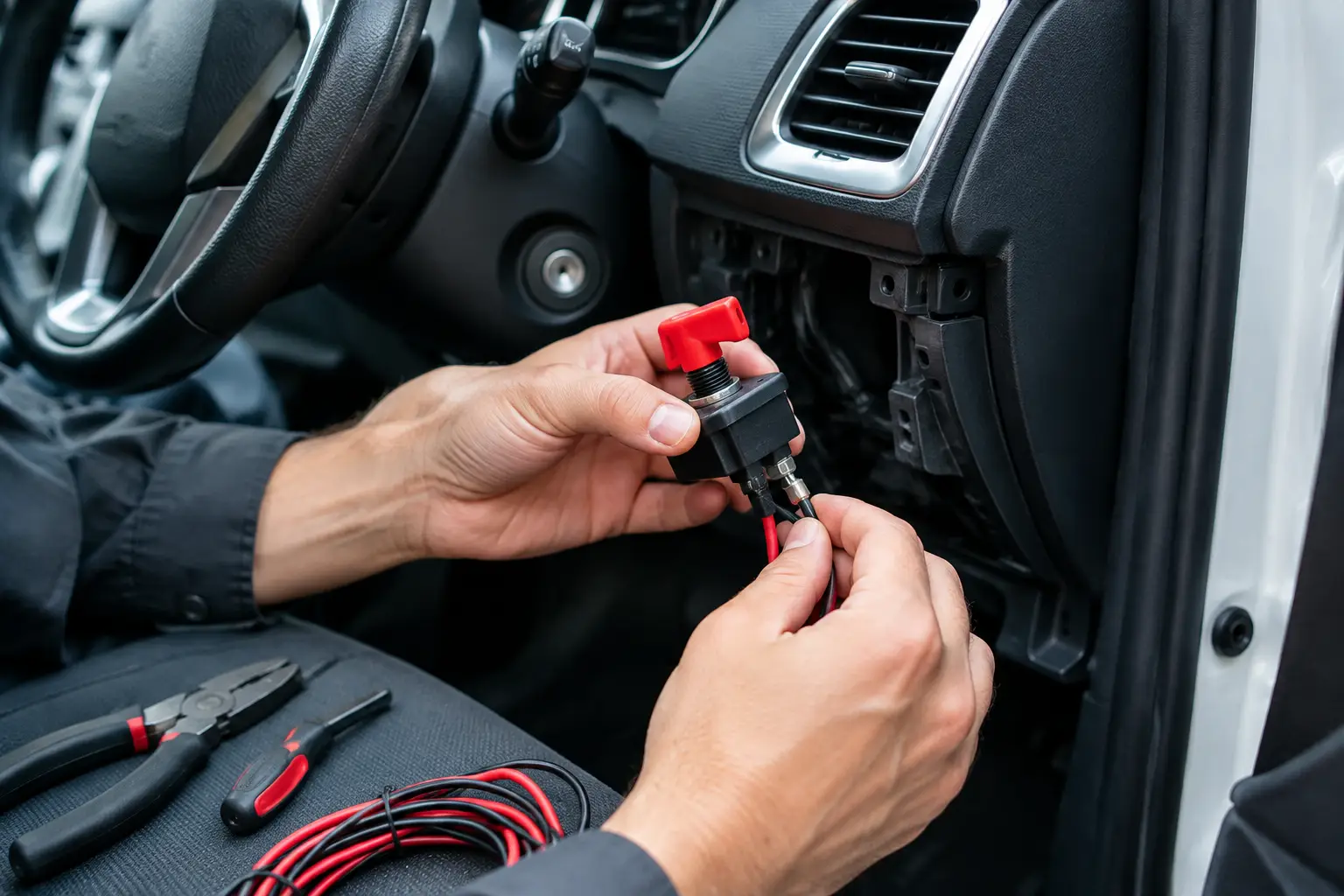
A stolen vehicle does not need to be flashy or exotic. In South Florida, a clean daily driver, a work truck, a customized SUV, or a trailer-towing pickup can all be targets when opportunity is there. Vehicle kill switch installation gives the owner a simple advantage: even if someone gets inside, the vehicle may not be able to start or stay running without a step only you know.
This is not a replacement for an alarm, tracking, smart keys, or good parking habits. It is a separate layer of protection that works quietly in the background. For drivers who have invested in custom audio, lighting, wheels, wraps, tools, or equipment, that extra layer can make a lot of sense.
What a Vehicle Kill Switch Actually Does
A kill switch is a concealed control that interrupts a critical starting or operating circuit. When it is set to the off position, the vehicle cannot be started normally. Depending on the vehicle and the security plan, a professional may integrate the switch with an ignition-related, starter-related, fuel-related, or another appropriate circuit.
The goal is not to create a complicated routine every time you drive. The goal is to add an obstacle that a thief does not expect and cannot quickly diagnose. Someone may have a key, a copied fob, or a way into the cabin, but a properly planned system can still stop the vehicle from leaving the parking spot.
That distinction matters. A visible steering-wheel lock can discourage theft, but it announces itself. A kill switch is most effective because it is discreet, vehicle-specific, and installed in a way that does not interfere with normal use.
Who Benefits Most From a Kill Switch?
Vehicle kill switch installation is a smart conversation for almost any owner, but it is especially valuable when the vehicle has more to lose. Trucks carrying jobsite tools, delivery vehicles, work vans, lifted Jeeps, performance builds, classic cars, and vehicles with premium aftermarket electronics are all strong candidates.
It also makes sense for owners who park outdoors, leave their vehicle at airports or hotels, or regularly visit areas where vehicle theft and break-ins are a concern. A security system may alert you after an event begins. A kill switch can help prevent the vehicle from being driven away in the first place.
For enthusiasts, there is another benefit: protecting the work you have already put into the build. A custom sound system, aftermarket lighting package, upholstery upgrade, marine-grade equipment, or one-of-one wrap deserves more than factory-level protection. Security should match the level of customization.
Choosing the Right Protection Strategy
There is no universal “best” kill switch. The right approach depends on the vehicle’s age, electrical architecture, factory security features, and how you use it every day. Older vehicles often have simpler systems, while newer vehicles may include push-button start, factory immobilizers, advanced driver-assistance features, networked modules, and sensitive diagnostics.
That is why a professional assessment matters. An installation that works well on an older truck may not be appropriate for a late-model luxury SUV, hybrid, EV, diesel, or vehicle with a remote-start system. The wrong method can create warning lights, no-start conditions, unreliable accessories, or conflicts with factory electronics.
A quality installation should account for your real routine. Do you share the vehicle with a spouse? Does a fleet manager need multiple drivers to operate it? Do you use remote start during hot Florida summers? Is the vehicle occasionally stored for weeks? These details shape the right solution.
Why Placement and Concealment Matter
A switch that is easy for the owner to reach but obvious to anyone sitting in the driver’s seat is not much of a theft deterrent. At the same time, hiding it in an inconvenient location can turn a useful security feature into an everyday annoyance.
The best location is one that feels natural after a few days of use yet is not an obvious place for a thief to search. A professional installer can recommend options based on the vehicle’s cabin layout, trim panels, existing accessories, and your preferences. The installation should look factory-clean, with no loose wiring, damaged panels, rattles, or improvised-looking hardware.
Concealment also includes the wiring work behind the panels. A clean, protected installation helps preserve reliability and makes the system harder to identify during a rushed theft attempt. Craftsmanship is not just about appearance here. It is part of the security plan.
Kill Switches, Alarms, and Tracking Work Better Together
A kill switch is powerful on its own, but layered protection is where the strategy gets stronger. Think of each component as doing a different job. An alarm can create attention. A motion or impact sensor can warn of an attempted break-in. A tracker can help locate the vehicle if it is moved. A kill switch can make moving it much harder.
For many drivers, the best setup combines a professionally installed security system with a discreet immobilization feature. Remote alerts can add peace of mind, particularly for vehicles parked outside overnight or for business owners managing trucks and vans. If a vehicle is broken into, knowing quickly matters. Preventing a drive-away theft matters even more.
There are trade-offs. More advanced systems may require more planning, additional components, and a larger budget. They can also need careful integration with factory remote start, aftermarket audio, dash cameras, or lighting. A good shop will explain what each layer does instead of selling features you will never use.
Common Mistakes to Avoid
The biggest mistake is treating vehicle security like a quick DIY accessory project. Modern vehicles are packed with electronics, and a poorly chosen interruption point can affect starting, charging, security, or computer-controlled systems. Cutting into wiring without the correct diagrams, testing equipment, and protection methods can lead to expensive diagnostic work later.
Another mistake is choosing visibility over security. An obvious toggle switch may look aggressive, but it can tell the wrong person exactly where to start. Avoid leaving labels, instructions, or clues in the glove box, center console, or phone notes that identify how the system works.
Owners should also avoid making the security routine so complicated that they stop using it. The best system is one you will activate consistently. Before installation, think honestly about who drives the vehicle and how often. A setup that is perfect for a weekend show car may be frustrating for a family SUV that makes six stops a day.
What to Expect From Professional Installation
A proper consultation starts with the vehicle, not a generic kit. The installer should ask about year, make, model, existing electronics, factory features, driving habits, and the level of theft protection you want. From there, they can recommend an approach that supports reliable operation and clean integration.
During the work, the focus should be on protected connections, secure routing, thoughtful concealment, and preserving the vehicle’s interior fit and finish. Afterward, the system should be tested with the owner present so the process is clear and the vehicle operates as expected.
Ask about compatibility if you have aftermarket audio, amplifiers, LED lighting, a remote starter, dash cameras, or a fleet-management device. These upgrades do not rule out added security, but they do make experience more valuable. The goal is a complete build where every system works together.
Is a Kill Switch Worth the Investment?
For some vehicles, factory immobilizer technology and secure parking may provide enough confidence. For others, especially high-value builds, older vehicles, commercial vehicles, and frequently exposed daily drivers, a kill switch can be one of the most cost-effective security upgrades available.
It is not about living worried every time you park. It is about making your vehicle a less attractive, less convenient target than the one beside it. That extra delay and uncertainty can be enough to send a thief elsewhere.
Tint Station approaches vehicle electronics with that same custom-build mindset. A security upgrade should fit your vehicle, your lifestyle, and the equipment you have worked hard to protect. Request a consultation before choosing a setup, then drive away knowing your ride has one more reason to stay exactly where you parked it.