
Best Car Security Features That Actually Protect
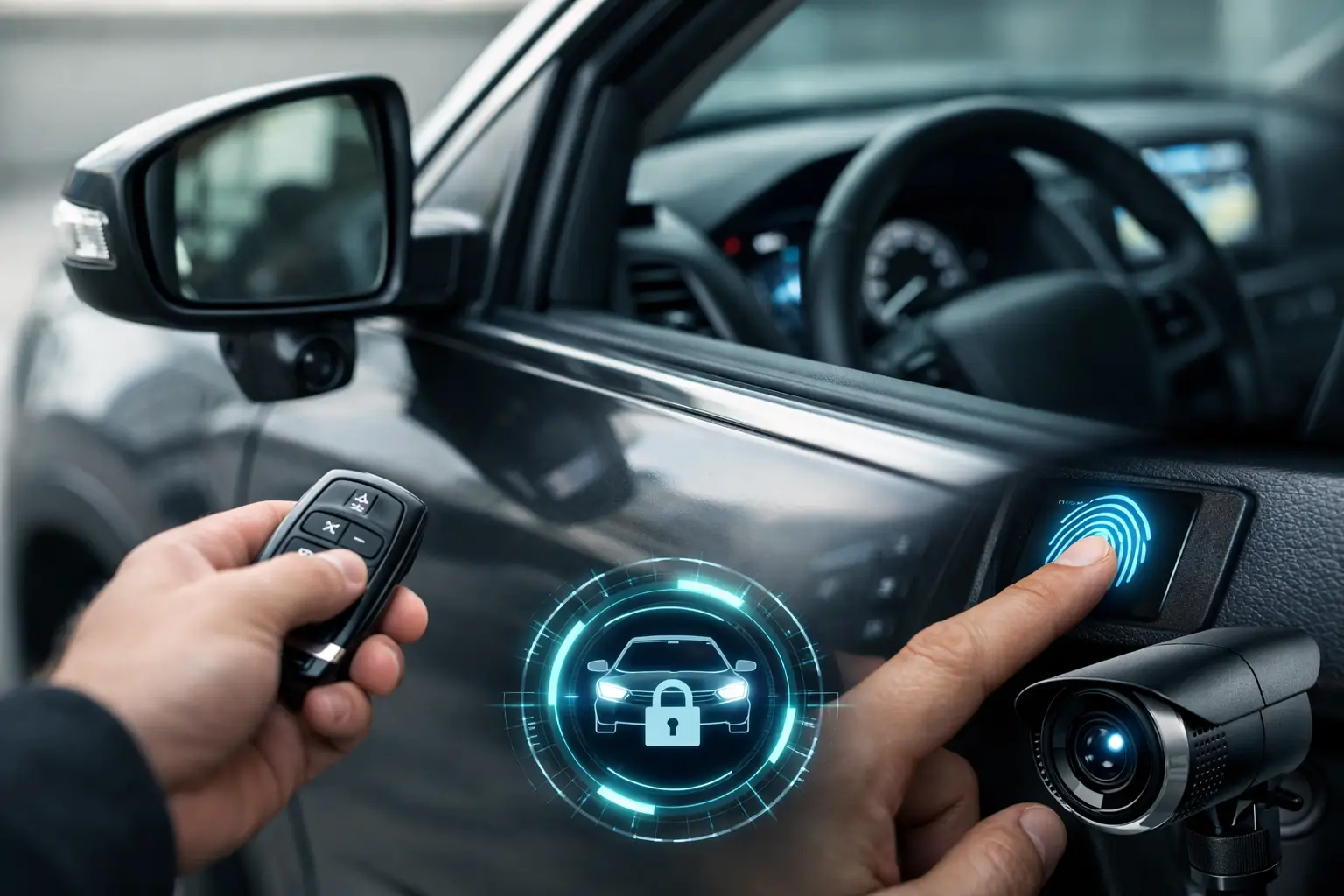
A broken side window in a Deerfield Beach parking lot can turn a normal afternoon into an expensive mess. The best car security features do more than make noise after someone has entered your vehicle. They create layers that discourage a break-in, prevent the vehicle from being driven away, document what happened, and help recover it if theft still occurs.
For most drivers, the right setup is not a single flashy gadget. It is a customized combination built around where you park, what you drive, the gear you carry, and how much risk you are willing to accept. A work truck packed with tools needs a different plan than a daily-driven SUV, a high-end performance car, or a weekend boat tow vehicle.
Best Car Security Features for Real Protection
The most effective vehicle security systems work in stages. First, they make a thief think twice. Next, they make unauthorized driving difficult or impossible. Finally, they provide alerts, evidence, or location data that can make a bad situation easier to resolve.
A quality alarm with real intrusion detection
A basic factory alarm usually reacts when a door is opened or a key is used incorrectly. That is better than nothing, but it may not detect a smashed window, an impact, or an attempt to tow the vehicle. An aftermarket alarm can add sensors designed for the ways thieves actually approach a vehicle.
Shock and impact sensors can trigger an alert when someone strikes glass, pries at a door, or hits the vehicle. Tilt sensors are valuable for vehicles with premium wheels because they can recognize an attempted lift. Glass-break detection can add another layer for smash-and-grab risk. Proximity sensors can warn someone who gets too close before a full alarm event occurs, though these should be adjusted carefully. An overly sensitive system that goes off during every thunderstorm or passing truck quickly becomes background noise.
The right alarm should have clear warning chirps, a loud siren, and a remote or smartphone alert option when appropriate. Just as important, it needs clean installation. A security system is only as good as its wiring, sensor placement, and calibration.
An immobilizer or starter-kill system
An alarm can draw attention. An immobilizer stops the vehicle from leaving. For theft prevention, that difference matters.
A starter-kill feature interrupts a critical circuit so the vehicle cannot start without proper authorization. More advanced systems can require a hidden sequence, encrypted remote, factory key presence, or app-based command before the vehicle can be driven. This is one of the strongest upgrades for vehicles that are commonly targeted for theft, as well as cars with expensive aftermarket audio, custom interiors, or performance modifications.
There is a trade-off. Poorly installed starter-kill systems can cause no-start issues and create headaches during service. That is why this is not a shortcut job. Professional integration should preserve normal vehicle function while keeping the disable method discreet and difficult to bypass.
GPS tracking with instant alerts
GPS tracking does not stop a theft by itself, but it can dramatically improve recovery odds. A quality tracker can send location updates, notify you if the vehicle moves outside a designated area, and provide a travel history that may be useful after an incident.
Look for a tracker with a backup battery, reliable cellular coverage, and concealed placement. A visible plug-in device is easy to remove. A professionally installed unit tucked into the vehicle is far more useful when time matters. Some systems also support geofencing, speed alerts, and remote status monitoring, which can be especially practical for parents, fleet owners, and owners of vehicles that sit for long periods.
Tracking requires a subscription in many cases, so factor that into the decision. The monthly cost can be worthwhile for a high-value car or commercial vehicle, but it may be more than a low-risk daily driver needs.
A dash camera with parking surveillance
A dash camera is not just for recording bad drivers on I-95. Models with parking mode can capture motion, impacts, or activity around the vehicle while it is parked. Video will not always identify a thief, especially at night, but clear footage can support an insurance claim and help law enforcement understand what happened.
For useful parking coverage, the camera needs to be hardwired correctly and configured to protect the vehicle battery. Front-and-rear camera systems provide better coverage than a front-only unit, especially for hit-and-runs or someone approaching from behind. Night performance, loop recording, and impact-triggered file protection are worth prioritizing over flashy features you may never use.
Window tint and visible theft deterrence
Window tint is not a substitute for an alarm or immobilizer, but it can support a smarter security strategy. It reduces how easily people can see bags, tools, audio equipment, and other items inside your vehicle. For drivers who regularly park in busy areas, that added privacy can lower the temptation behind opportunistic smash-and-grab theft.
The key is using legal tint levels for your vehicle and local regulations. Tint should enhance privacy, comfort, and appearance without creating visibility problems for the driver. It also works best alongside a simple habit: keep valuables out of sight. Even the most advanced security system cannot protect a laptop bag sitting in plain view.
Secure the expensive equipment thieves target
If your vehicle has a custom stereo, amplifier rack, subwoofer enclosure, tools, or aftermarket electronics, consider physical protection for the components themselves. Locking hardware, concealed mounting, tamper-resistant fasteners, and clean custom fabrication can make removal slower and more difficult.
This is where custom work has an advantage over a generic big-box installation. Rather than leaving valuable equipment easy to spot and easy to grab, a thoughtful build can integrate it into the vehicle while maintaining service access and sound quality. Theft deterrence should not ruin the look of the build. It should be part of the craftsmanship.
How to Choose the Best Car Security Features for Your Vehicle
Start with your actual exposure. If you park in a secured garage and drive a newer vehicle with a strong factory immobilizer, a high-quality dash cam and discreet tracker may be enough. If you park outdoors, keep equipment in the vehicle, own a commonly stolen model, or have invested heavily in custom upgrades, a layered alarm, starter-kill, tracker, and camera package makes more sense.
Your driving habits matter too. Smartphone-controlled security features are convenient, but they depend on signal coverage and battery management. A remote fob can be faster in an emergency, while a hidden manual authorization method adds protection if a key or phone is compromised. The best setup feels easy for you to use every day and difficult for anyone else to defeat.
Avoid choosing solely by the loudest siren or the longest feature list. Focus on detection accuracy, theft prevention, reliable alerts, recovery support, and installation quality. A well-designed system with the right features will outperform an overcomplicated setup that is installed carelessly or disabled because it causes false alarms.
Professional Installation Makes the Difference
Modern vehicles are packed with sensitive electronics, factory security modules, cameras, and data networks. Tapping the wrong wire or bypassing a factory circuit without the right method can create warning lights, battery drain, intermittent starting problems, or a security system that fails when you need it.
A professional installer can match the system to your vehicle, hide components properly, calibrate sensors, and explain exactly how the controls work. At Tint Station, security upgrades can also be planned around your window tint, custom audio, lighting, and other electronics so the finished vehicle looks intentional instead of pieced together.
Before you spend on an upgrade, think about the one thing you would hate most to lose: the vehicle itself, the gear inside it, or your confidence when it is parked. Build your security package around that answer, then request a consultation to turn the protection plan into a clean, dependable installation.