
GPS Tracker Versus Car Alarm: Which Protects More?
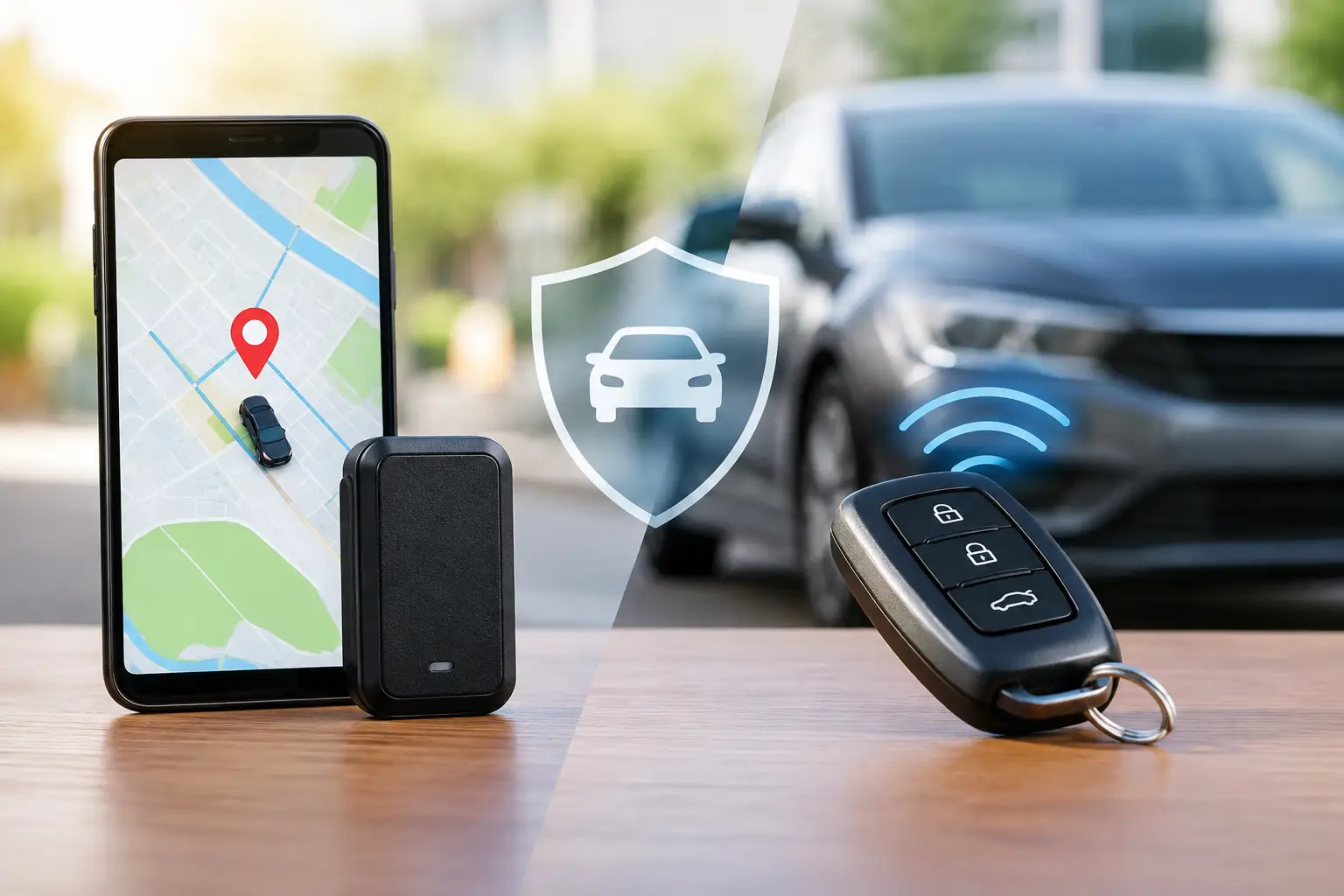
A stolen vehicle can disappear from a parking lot in less time than it takes to grab coffee. That is why the GPS tracker versus car alarm question matters for South Florida drivers, where vehicle theft, break-ins, and valuable aftermarket equipment can turn an ordinary day into an expensive headache. The right answer is rarely one device or the other. It depends on what you drive, what is installed in it, where it is parked, and how quickly you want to know something is wrong.
A loud alarm can make a thief abandon the attempt. A GPS tracker can help locate the vehicle after it is gone. Those are two very different jobs, and understanding that distinction is the first step toward building protection that fits your vehicle rather than buying features you will never use.
GPS Tracker Versus Car Alarm: The Core Difference
A car alarm is designed to deter and alert. Depending on the system, it may sound a siren, flash the parking lights, send an alert to a remote, or notify your phone when it detects an impact, door opening, glass break, or unauthorized ignition attempt. Its goal is to create attention before a thief gets control of the vehicle.
A GPS tracker is primarily a recovery and monitoring tool. It uses location technology, typically paired with a cellular connection, to show where the vehicle is or has been. Many systems can send alerts when the vehicle moves, leaves a defined area, exceeds a speed threshold, or is used outside approved hours.
Think of an alarm as the first line of resistance and a tracker as the follow-up plan. One tries to stop the theft at the scene. The other gives you actionable information when prevention did not work.
What a Car Alarm Does Best
A professionally installed alarm makes a vehicle harder and less attractive to steal. When a siren activates, lights flash, and the vehicle refuses to start because of an immobilizer feature, a thief has less time to work and more pressure to leave.
This protection is especially valuable for vehicles with premium audio, custom lighting, wheels, tools, or other upgrades that attract attention. A basic factory alarm may only react when a door is opened. An aftermarket security system can add more intelligent triggers, such as shock sensing, tilt sensing, hood monitoring, and remote notification.
The Real Advantage Is Immediate Deterrence
The strongest argument for an alarm is that it acts at the moment of the break-in. A visible security LED, warning decals, a quality siren, and a starter-kill option can persuade someone to move on before they damage the vehicle or access your equipment.
That matters even if the vehicle is never stolen. A tracker can tell you where the car went, but it cannot prevent a smashed window, stolen subwoofer, or damaged ignition. For drivers who have invested in custom stereo equipment or appearance upgrades, that immediate layer of defense is a major benefit.
Where Alarms Have Limits
Car alarms are not magic. In a busy parking garage or along a loud street, people may not react to a siren. Some thieves work quickly, and a poorly installed system can create false alarms that make everyone ignore it.
An alarm also cannot show you where the vehicle went if it is taken. That is why a deterrent-only approach can leave a gap, especially for high-value vehicles, work trucks, and cars parked outside overnight.
What a GPS Tracker Does Best
A GPS tracker gives vehicle owners visibility. Instead of wondering whether a vehicle is where it should be, you can check its location from an app and receive movement alerts. For a family vehicle, a fleet truck, a weekend toy, or a vehicle stored at a second property, that information is useful well beyond theft recovery.
If a theft does occur, location data can support a faster police report and provide a clearer starting point for recovery. Some systems also show route history, stop times, battery voltage, and driving behavior, depending on the device and service plan.
Tracking Is Valuable for More Than Theft
GPS tracking makes particular sense for business owners managing service vehicles, delivery vehicles, or equipment trailers. It can help confirm arrival times, identify unauthorized use, and improve accountability without relying on phone calls and guesswork.
For parents, it can offer peace of mind when a newly licensed driver uses the family vehicle. For boat, motorcycle, ATV, and UTV owners, a compact tracker can add reassurance when expensive equipment is stored away from home. The best use case is not always dramatic recovery. Often, it is simply knowing what is happening with an asset you paid hard-earned money to own.
Where GPS Tracking Has Limits
A tracker is not an active theft deterrent on its own. A thief may never know it is installed, which is useful for recovery, but it does not stop a break-in from happening. It also relies on hardware placement, power, cellular coverage, and an active service plan.
Professional installation matters here. A tracker needs to be placed where it is concealed, protected, and able to maintain a reliable signal. A device plugged into an obvious diagnostic port may be convenient, but it is also easier to find and remove. Hardwired and carefully hidden systems are generally the better choice for serious protection.
Which Option Fits Your Vehicle?
If your biggest concern is someone breaking into your car at a restaurant, apartment complex, or job site, start with a quality alarm and security features that alert you immediately. If you are concerned about recovering a vehicle after a theft, monitoring a teen driver, or managing business vehicles, a GPS tracker brings capabilities an alarm cannot match.
For many owners, the best answer is both. An alarm creates noise, attention, and resistance. A tracker stays quiet and gives you a way to locate the vehicle if someone gets past that resistance. Together, they cover the two moments that matter most: the attempted theft and the recovery effort afterward.
This combination is worth serious consideration for luxury vehicles, lifted trucks, high-demand models, custom builds, commercial vehicles, and cars with premium aftermarket electronics. The more money and personal style you have invested in the vehicle, the less sense it makes to rely on a single layer of protection.
Features Worth Asking About
Not every alarm or tracker offers the same protection. Before choosing a system, consider how you actually use the vehicle and whether you want simple alerts or deeper control. A professional consultation should cover practical features such as:
- Two-way remote or smartphone alerts that confirm an alarm event reached you
- Starter interrupt or immobilization options to make unauthorized starting more difficult
- Shock, tilt, hood, door, and glass-break detection matched to your vehicle
- Real-time location updates, geofencing, route history, and movement alerts
- Backup battery support and tamper notifications for added tracker resilience
Avoid choosing solely by the loudness of the siren or the lowest upfront price. Security systems work best when their components, wiring, sensors, and programming are matched to the vehicle. Cheap installation can create electrical headaches, false alarms, drained batteries, or security features that do not perform when you need them.
Installation Quality Is Part of the Security System
Modern vehicles have complex electronics, factory immobilizers, sensitive wiring, and advanced driver-assistance components. Adding security equipment without the right knowledge can interfere with factory functions or leave visible wiring that gives away the installation.
A clean installation protects more than the vehicle. It protects the ownership experience. The system should be easy to operate, discreetly integrated, and explained clearly so you know how to arm it, respond to alerts, and use the app before an emergency happens.
At Tint Station, security upgrades can be planned alongside audio, lighting, remote start, and custom electronics work, so the finished vehicle looks refined rather than pieced together. That matters when you want serious protection without sacrificing the clean, personalized build you came in for.
Build Protection Around How You Live
The right security setup should match your parking habits, driving routine, vehicle value, and the equipment inside it. A daily driver parked in a secured garage may need a different plan than a work truck that sits at job sites, a customized show car, or a boat stored at a marina.
Bring those details to a professional consultation and ask for a system built around the risks you actually face. When your vehicle is part transportation, part investment, and part expression of your style, protection should feel just as customized as every other upgrade.