
How to Protect Leather Seats From Heat and Wear
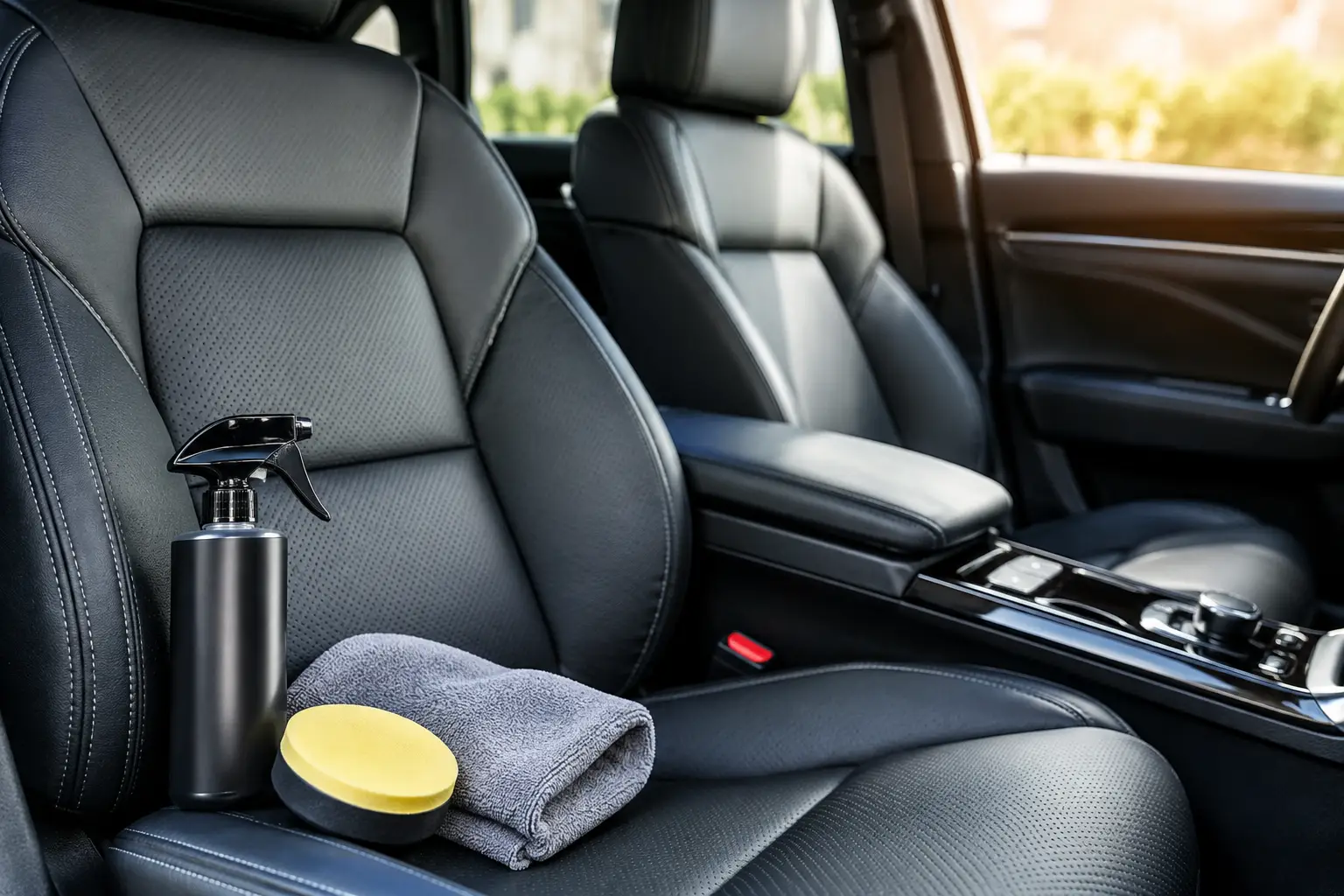
A clean leather interior can make a daily driver feel like a premium build. But in South Florida, that fresh look can disappear fast. Heat, UV exposure, humidity, sunscreen, sweat, denim dye, and drink spills all work against your upholstery. Knowing how to protect leather seats means treating leather as a finish that needs regular attention, not something you clean only after it looks worn out.
The good news is that protecting leather does not require a garage full of detailing products or a weekend of scrubbing. It comes down to using the right products, avoiding a few common mistakes, and controlling the sun exposure that causes the most expensive damage.
How to Protect Leather Seats in Hot Weather
Florida sun is brutal on vehicle interiors. Even when the outside temperature feels manageable, the cabin can heat up quickly when your vehicle sits in an open parking lot. That heat dries the leather’s protective coating, speeds up color fading, and can leave darker interiors feeling hot enough to avoid touching.
Start with the simplest upgrade: use a quality windshield sunshade whenever you park for more than a few minutes. It will not eliminate heat completely, but it reduces direct sunlight hitting the dash, steering wheel, front seats, and center console. If your vehicle has a sunroof, keeping its shade closed also helps limit overhead UV exposure.
Automotive window tint is another major layer of protection. The right film helps reject heat and blocks UV rays before they reach the interior surfaces. That means more comfortable seats, less strain on your air conditioning system, and slower fading across the leather, trim, and dashboard. The best option depends on your vehicle, how dark you want the glass to look, and local tint regulations, but heat-rejecting film is a smart upgrade for anyone parking outside regularly.
A covered parking space is always ideal, but it is not realistic for every driver. When shade is unavailable, a sunshade and professionally installed window film do more for long-term interior preservation than most people realize.
Clean Leather Before Dirt Becomes Damage
Leather seats do not need aggressive cleaning. In fact, scrubbing too hard or using the wrong chemical is one of the fastest ways to dull the finish. Modern automotive leather is usually coated, so the goal is to safely remove body oils, dust, grime, and transferred dye without stripping that factory protective layer.
For routine care, use a pH-balanced leather cleaner made specifically for automotive interiors and a soft microfiber towel. Spray the product onto the towel or a soft detailing brush instead of soaking the seat directly. Work one small area at a time, then wipe it dry with a second clean towel.
Pay special attention to the driver’s seat bolster, steering wheel, armrest, and center console. Those are the high-contact areas where oils from hands, lotion, hair products, and sweat build up first. A shiny steering wheel or slick-looking seat surface is usually not a sign of healthy leather. It often means contamination is sitting on top of the finish.
Avoid household cleaners, glass cleaner, dish soap, alcohol-heavy products, bleach, and all-purpose degreasers. They may look effective in the moment, but they can pull moisture from the surface, alter the sheen, or weaken the coating over time. Baby wipes are also a bad long-term solution because many contain ingredients that leave residue behind.
For most vehicles, a light cleaning every one to three months is enough. If you have kids, pets, a work truck, light-colored leather, or a vehicle that sees beach trips every weekend, you may need to clean the seats more often.
Condition Carefully, Not Constantly
Leather conditioner has a place in a maintenance routine, but more is not better. Overconditioning can create a greasy feel, attract dirt, and make perforated leather or ventilated seats harder to maintain. The goal is a clean, natural matte or satin appearance, not a wet-looking shine.
After cleaning, apply a small amount of quality leather conditioner or protectant according to the product directions. Use a microfiber applicator, work it in evenly, and buff away any excess. For most newer vehicles with coated leather, conditioning two to four times a year is plenty. Older leather, especially in a classic car, may need more frequent conditioning because it is often less protected from the factory.
Choose a product with UV protection when possible. A conditioner can help maintain flexibility, while a UV protectant helps reduce the drying and fading that comes from sun exposure. They can sometimes be the same product, but do not assume every conditioner provides meaningful UV defense.
If your seats are perforated or ventilated, use very little product. Heavy conditioners can collect in the perforations, leave residue, and interfere with airflow. Apply product to the applicator first, not directly to the seat, and keep the layer thin.
Stop Spills, Stains, and Dye Transfer Fast
The longer a spill sits, the more likely it is to stain or seep into seams. Blot liquid immediately with a clean microfiber towel. Do not rub hard, especially on light-colored leather, because rubbing spreads the stain and can push it deeper into the texture.
Water is usually easy to handle if you blot it promptly. Coffee, soda, makeup, food grease, ink, and sunscreen need faster attention. Use a leather-safe cleaner after blotting, then wipe the area dry. If the stain remains, avoid escalating to stronger household chemicals. A professional detailer or upholstery specialist has safer tools for treating difficult stains without turning one spot into a larger repair.
Denim dye deserves special attention. Blue jeans can transfer color onto white, beige, gray, and red leather surprisingly quickly. Regular cleaning helps, but prevention is better. If you recently bought dark, raw, or heavily dyed denim, be extra careful during the first several wears. Cleaning light seats before the dye becomes obvious is much easier than correcting a deeply transferred blue tint.
Protect the Areas You Touch Most
Leather wears unevenly. The outer edge of the driver’s seat takes the abuse from getting in and out. The steering wheel sees constant friction. Armrests collect sunscreen and skin oils. These areas benefit from a little extra discipline.
Try not to slide across the seat bolster when entering the vehicle. Instead, lower yourself into the seat and pivot. It sounds minor, but repeated sliding can wear through the finish on the outer bolster, particularly on SUVs and lifted trucks where the seat sits higher.
Keep sharp metal accessories, exposed rivets, tool clips, and bulky items out of back pockets when possible. One snag can cut leather or leave a permanent indentation. If you drive with a pet, a fitted rear-seat cover is a practical move. It protects against claws, dirt, fur, and surprise spills without requiring you to give up your interior every time the dog rides along.
Do Not Ignore Small Cracks or Loose Stitching
Small issues rarely stay small in an automotive interior. Early cracking can sometimes be stabilized with proper cleaning, conditioning, and a professional repair. Once the leather splits or the foam beneath it collapses, the repair becomes more involved and more visible.
Watch for fading on the top of the seatback, stiff or rough patches on the bolsters, loose stitching, discoloration near the door side, and leather that feels dry after cleaning. These are signs the seat needs attention before daily use turns a maintenance job into upholstery work.
For cracked, torn, burned, or badly faded leather, skip the quick-fix kits unless you are prepared for a temporary cosmetic result. Professional upholstery repair or a custom seat refresh can match the vehicle better and hold up longer. This matters even more in premium vehicles, where a poor repair can stand out every time you open the door.
Build Protection Into Your Next Upgrade
The best interior protection plan is layered: regular cleaning, moderate conditioning, smart parking habits, and UV control through window film. None of those steps is complicated alone, but together they preserve the feel, color, and resale appeal of your cabin.
At Tint Station, drivers who invest in heat-rejecting window tint often notice the immediate comfort difference first. The longer-term payoff is what happens quietly over the years: seats, dash panels, electronics, and interior trim take less punishment from the sun.
Your leather seats are part of the driving experience, not just something to wipe down before a trade-in. Give them consistent care, keep the sun off them whenever possible, and address wear early. Your interior will keep looking like it belongs in a vehicle you are proud to drive.