
Ceramic Carbon Comparison for Window Tint
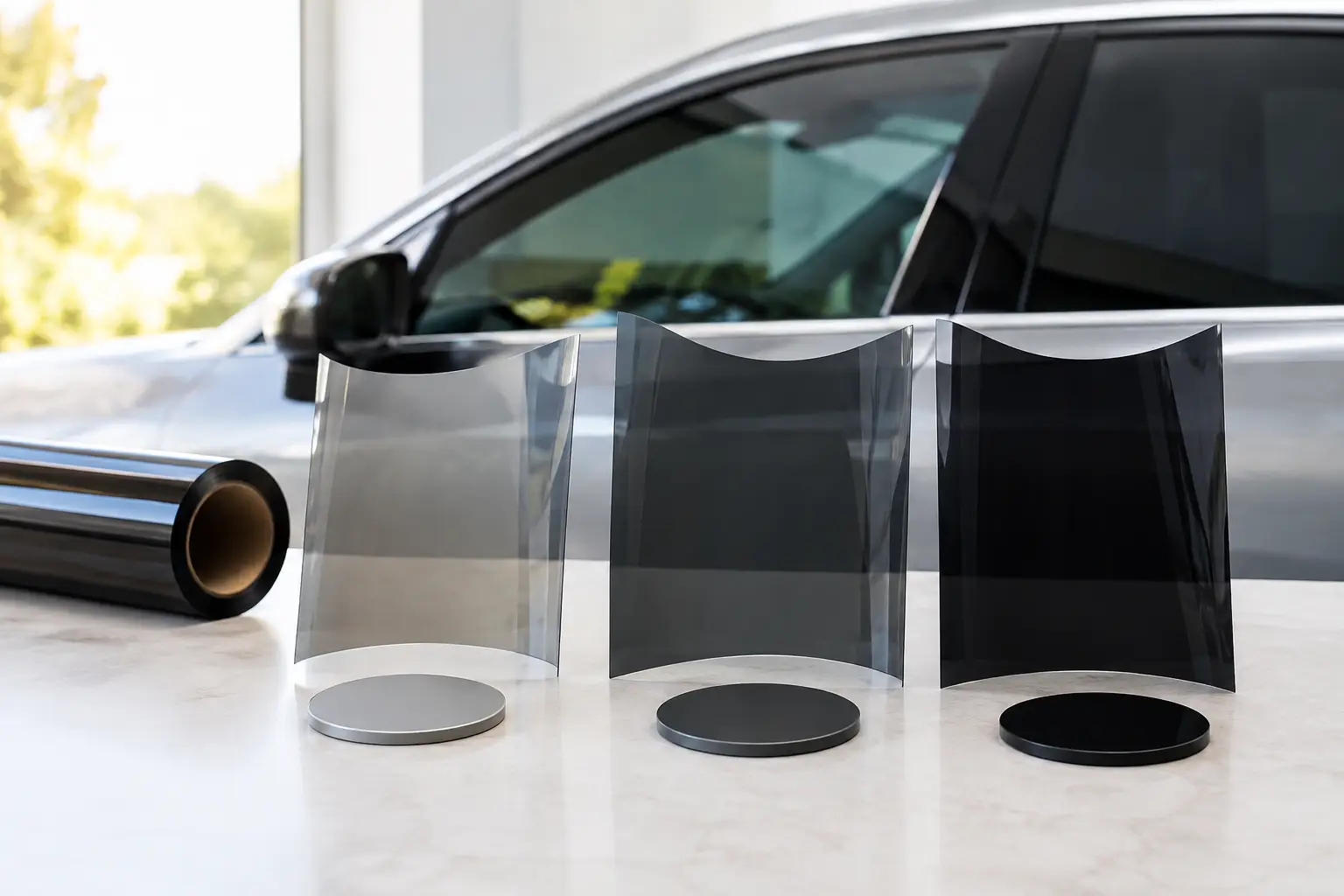
A black interior, a long South Florida afternoon, and a car parked outside for one hour can tell you more about window film than a showroom sample ever will. This ceramic carbon comparison gets past the sales language and focuses on what changes when you are behind the wheel: cabin heat, glare, radio performance, appearance, and what you pay for the upgrade.
Carbon and ceramic window tint are both serious steps up from basic dyed film. Both can deliver a clean look, meaningful UV protection, and privacy without the signal interference associated with older metallic films. The difference is how each film manages solar energy – and whether the additional performance of ceramic is worth the investment for your vehicle and driving habits.
Ceramic Carbon Comparison: The Core Difference
Carbon tint uses carbon particles within the film to absorb and reduce solar heat. It is a non-metal construction, which matters for modern vehicles loaded with Bluetooth, GPS, satellite radio, cellular connectivity, and driver-assistance electronics. Quality carbon film usually has a rich, neutral black appearance that holds up far better than low-grade dyed tint.
Ceramic tint uses nonconductive ceramic particles designed to reject a larger portion of solar energy, including infrared heat. It also does this without metal, so it remains friendly to the connected technology in your vehicle. Premium ceramic films can maintain strong heat performance even at lighter shades, making them especially useful for drivers who want visibility without giving up comfort.
That distinction is simple, but the purchase decision is not always simple. Film construction, shade, glass coverage, vehicle size, installation quality, and the manufacturer’s tested specifications all affect the result. A great carbon film professionally installed can be the right move for one customer, while another will immediately notice the advantage of ceramic.
Heat rejection is where ceramic earns its price
If your main goal is cutting down on the brutal heat that builds up in a parked vehicle, ceramic generally wins. Its technology is built to reject more infrared energy before that energy becomes trapped in the cabin. That can mean cooler surfaces, less strain on your air conditioning, and a faster return to comfort after your vehicle has been sitting in direct sun.
Carbon tint still improves comfort substantially compared with untinted glass or entry-level dyed film. It reduces heat and glare while giving the vehicle a darker, more finished appearance. For a daily driver that is garaged, driven mostly in the morning or evening, or used for shorter trips, carbon may deliver a very satisfying result without the ceramic price tag.
The key is to look beyond a single “heat rejection” number. Some brands highlight infrared rejection measured at a narrow portion of the infrared spectrum. That figure can be useful, but total solar energy rejected, often called TSER, is a better broad-picture measure of how the film handles the sun’s combined heat load. Ask to compare the actual specifications for the exact film and shade being quoted.
Both protect against UV, but quality still matters
Quality carbon and ceramic films commonly block up to 99% of harmful UV rays. That is a real benefit for skin protection and for preserving leather, vinyl, dashboards, upholstery, and interior trim. UV blocking is not exclusive to ceramic, so it should not be the only reason you choose the more expensive option.
Instead, think of ceramic as an upgrade in heat management and optical quality, with UV protection included. Carbon is often the value-focused premium choice: strong protection, sharp looks, reliable electronics compatibility, and better long-term color stability than basic dyed film.
Signal performance stays clean with either option
No one wants a tint upgrade that creates problems with navigation, phone service, toll tags, keyless entry, or satellite radio. Because carbon and ceramic films are non-metallic, both are strong choices for vehicles with modern electronics.
Ceramic is often described as signal-safe, but that does not make carbon a risky alternative. High-quality carbon film is also designed to avoid the interference concerns of metallic tint. If your vehicle relies heavily on antennas built into the glass, the installer should still review the glass layout and any specialty equipment before installation.
How Carbon and Ceramic Look on the Vehicle
Performance matters, but window tint is also one of the fastest ways to change a vehicle’s attitude. Carbon film is known for a deep, understated black that works especially well on trucks, SUVs, muscle cars, and clean daily-driver builds. It gives the windows a factory-plus appearance without an overly reflective finish.
Ceramic tint can deliver a similarly refined look, but its visual advantage often shows up in clarity. Premium ceramic films tend to offer excellent outward visibility, particularly at legal lighter shades. This matters at night, in rain, and when backing into a tight parking space. A darker film does not automatically perform better, and a lighter ceramic film may be the smarter choice for drivers who need comfort but do not want to compromise visibility.
Film shade is also separate from film technology. You can choose carbon or ceramic in various visible light transmission levels, subject to local rules. A 20% carbon and a 20% ceramic may look similar from outside, but they will not necessarily manage heat the same way. Never select a tint solely by how dark it looks on a small sample card.
Cost, Durability, and Long-Term Value
Carbon tint costs less than ceramic tint in most professional installations. For many customers, that gap is the deciding factor. Carbon offers a substantial upgrade over cheap tint, and it can be a smart investment when you want reliable performance, a clean appearance, and solid value across multiple windows.
Ceramic costs more because the film technology is more advanced and its heat-rejection capability is generally higher. On a vehicle that spends hours outside, has a large windshield area, carries kids or pets, or runs hot in the Florida sun, that added upfront cost can make sense every day you drive it. The same is true for luxury interiors, electric vehicles where climate control affects range, and work vehicles where comfort helps keep drivers focused.
Durability depends heavily on the product line and the installation. A reputable carbon or ceramic film should resist fading, peeling, bubbling, and discoloration when installed correctly on properly prepared glass. The cheapest film may look fine at first, then turn purple, haze over, or lift at the edges. Good tint is not just a roll of material – it is product selection, clean prep, precise cutting, careful shrinking, and proper curing.
Do not judge value by the lowest quote alone. Ask what film is being used, what the warranty covers, whether the quote includes every window, and how the installer handles dot matrix areas, curved glass, old-film removal, and sensitive electronics. Those details separate a professional result from a shortcut.
Which Tint Is Right for Your Vehicle?
Choose carbon tint when you want a premium black look, strong UV protection, no metal-related signal issues, and meaningful heat reduction at a more accessible price. It is an excellent fit for drivers who want their car, truck, SUV, boat, or powersports vehicle to look sharper without stretching the budget for maximum heat control.
Choose ceramic tint when heat is your number-one problem. It is the stronger choice for daily commutes, vehicles parked outdoors, family vehicles, high-end builds, and anyone who wants high performance at a lighter legal shade. It can also be a smart move if you are already investing in upholstery, audio, lighting, or appearance upgrades and want the cabin to feel as refined as the rest of the build.
There is one more consideration: the windshield. In hot climates, the windshield is often the biggest source of solar load. Where permitted by law, a clear or very light ceramic windshield film can make a noticeable difference without creating the darkened look many drivers want to avoid. Local tint laws vary by glass location and vehicle type, so the final recommendation should always balance performance, visibility, and compliance.
Tint Station can help you compare the actual films, shades, and performance numbers that fit your vehicle instead of steering you toward a one-size-fits-all answer. Bring the vehicle, explain how and where you drive, and request a quote built around the result you want. The right tint should not only look custom when you walk away from your ride – it should make every hot drive home feel better.