
Car Speaker Upgrade Review for Better Sound
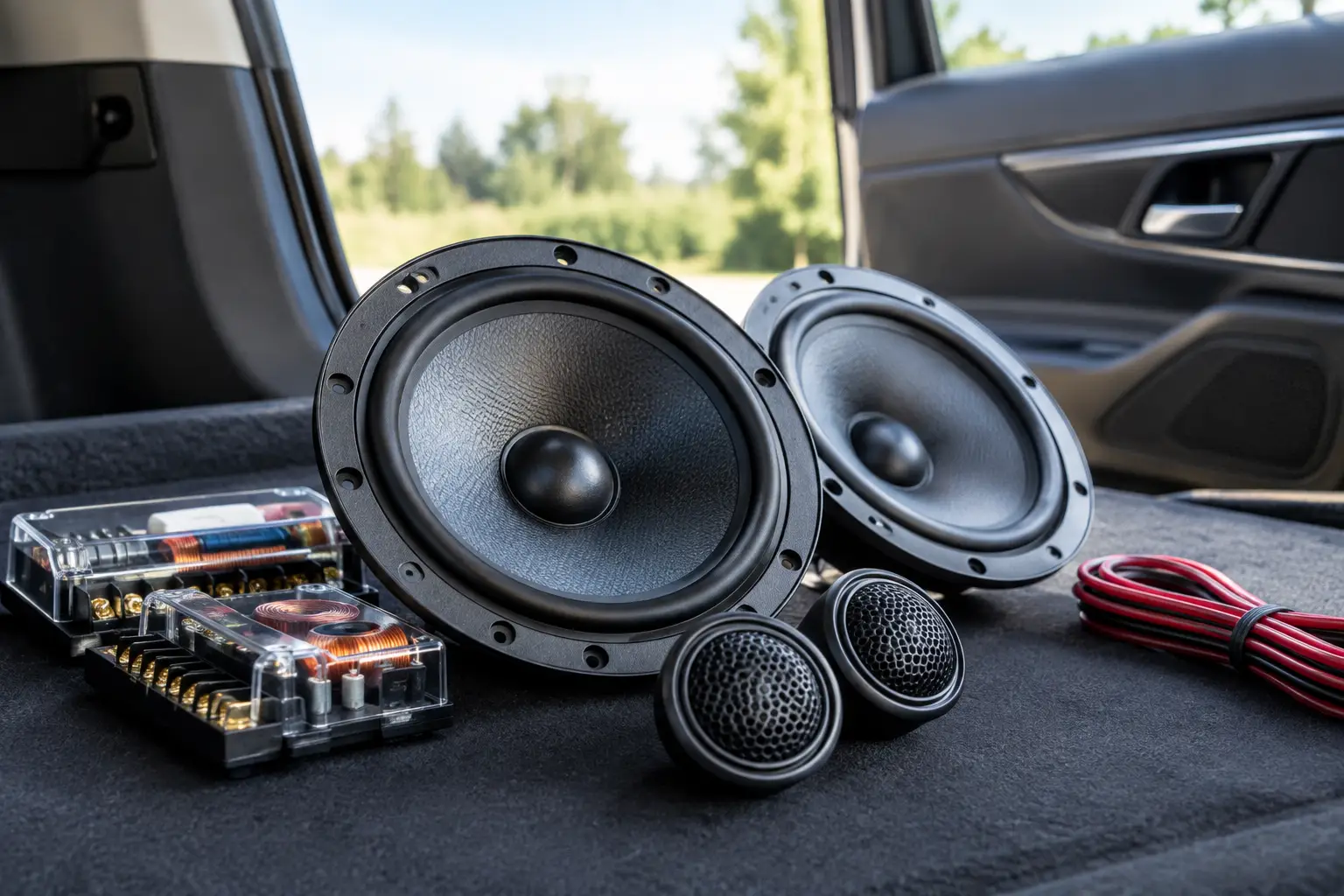
Factory speakers rarely fail all at once. They fade into the background: vocals get buried by road noise, cymbals sound harsh, and turning up the volume makes everything feel flatter instead of bigger. This car speaker upgrade review focuses on what actually changes the listening experience, what does not, and how to spend your budget where it counts.
For drivers around Deerfield Beach, that decision is about more than having louder music. Heat, traffic, highway noise, and daily commutes ask a lot from a vehicle audio system. The right upgrade gives you detail at normal listening volume, clean output when the windows are down, and bass that supports the music without turning every panel in the car into a rattle trap.
What a Car Speaker Upgrade Really Improves
A quality speaker upgrade can make familiar songs feel completely different. The biggest change is usually clarity. Better speakers use stronger motors, improved cone materials, and more controlled tweeters to separate vocals, guitars, keys, and percussion rather than blending them into one bright, noisy layer.
Midbass is another major win. This is the punch you feel from a kick drum or bass guitar in the front doors, not the deep low-end rumble of a subwoofer. Factory door speakers often struggle to create it because their lightweight construction and basic mounting allow energy to escape. A properly fitted aftermarket speaker, installed on a solid mounting surface, can make the front stage sound fuller even before an amplifier is added.
There is a limit, though. New speakers cannot overcome a weak source signal, severe road noise, or an underpowered factory radio by themselves. If you want concert-level volume or deep bass, speakers are one part of a larger system. That is not a reason to overbuild every vehicle. It is a reason to create a system that matches how you listen.
Car Speaker Upgrade Review: Coaxial vs. Component Speakers
Most speaker upgrades begin with one choice: coaxial speakers or component speakers. Neither is automatically better for every vehicle.
Coaxial speakers
Coaxial speakers place the woofer and tweeter in one assembly. They are a smart option for many daily drivers because they fit common factory locations, keep installation straightforward, and deliver a clear improvement over worn or entry-level OEM speakers. If you want better sound from your factory radio without changing the entire system, a quality coaxial set can be the right move.
Their trade-off is speaker placement. Since the tweeter sits in the center of the woofer, higher frequencies still come from low in the door on many vehicles. That can make the sound feel less focused, especially from the driver’s seat.
Component speakers
Component sets separate the woofer and tweeter. The woofer mounts in the door while the tweeter can be placed higher in the door, dash, sail panel, or factory tweeter location. A separate crossover directs the right frequencies to each speaker, helping the system play cleaner and with more control.
This layout creates a more convincing soundstage. Vocals can seem to come from in front of you rather than from your knees, and instruments have more space around them. For drivers who care about detail, imaging, and a premium cabin experience, components are usually worth the additional labor and cost.
The trade-off is that component systems need thoughtful installation. A tweeter location that is too aggressive can sound sharp. Poor crossover placement or loose wiring can create reliability issues. Proper tuning matters just as much as buying a respected speaker brand.
Speaker Materials Matter, but Fitment Matters More
Marketing often puts the spotlight on cone materials, and they do affect the final sound. Polypropylene cones tend to handle moisture well and offer a balanced, forgiving sound. Treated paper can sound warm and natural, but quality and protection vary by design. Aluminum and other metal cones can provide excellent detail, though they may need careful tuning to avoid sounding too bright in certain vehicles.
Tweeter material shapes the top end. Silk or textile tweeters often sound smooth and easy to listen to over long drives. Metal tweeters can deliver more sparkle and detail, which some listeners love and others find fatiguing. There is no universal winner. Your music preferences, vehicle acoustics, and listening volume all matter.
Still, the best cone material cannot rescue a speaker that does not fit correctly. Door depth, mounting diameter, window clearance, factory grilles, and electrical integration should be checked before parts are selected. An installation should look factory-clean while delivering a serious improvement behind the panels.
Do You Need an Amplifier With New Speakers?
Not always. Many aftermarket speakers can run from a factory or aftermarket head unit, and a sensitivity-friendly coaxial set may be all a daily driver needs. This route keeps the project affordable and can provide a noticeable lift in clarity at moderate volume.
An amplifier becomes more valuable when you want stronger midbass, higher clean volume, or component speakers that need more power to perform at their best. Power is not simply about being loud. A properly matched amplifier gives speakers more control, reduces strain, and helps preserve detail when the volume rises.
The key phrase is properly matched. Installing speakers rated for high power without providing enough clean power can leave them sounding thin. Sending distorted power from an improperly set amplifier can damage even premium equipment. Gain setting, crossover configuration, and signal integration are part of the result, not minor finishing touches.
Installation Is Where Good Gear Becomes Great Sound
A speaker is a mechanical device. It moves air, and the door or panel around it either supports that movement or works against it. That is why professional installation often produces a bigger difference than shoppers expect.
A clean build may include secure speaker adapters, weather protection, correctly sized wiring, sound treatment around the mounting area, and foam sealing between the speaker and door panel. These details reduce vibration and help direct more of the speaker’s output into the cabin. They also prevent the common disappointment of installing expensive speakers only to hear buzzing, rattling, or weak bass.
Modern vehicles add another layer of complexity. Factory amplifiers, active noise cancellation, warning chimes, backup camera audio, and integrated infotainment systems can all affect the upgrade path. Keeping factory features while improving sound requires the right integration approach, not guesswork with wire colors.
Tint Station brings custom audio installation experience to each build, whether the goal is a clean front-speaker refresh or a fully powered system with bass, lighting, and a show-ready finish. The goal is never to sell more equipment than the vehicle needs. It is to make the finished system sound intentional.
Setting a Realistic Speaker Upgrade Budget
A basic speaker replacement can be an excellent value when the factory speakers are damaged, muddy, or simply disappointing. Moving to component speakers, adding an amplifier, treating doors, or integrating with a premium factory system raises the investment but can transform the entire cabin.
Think about the system in layers. Start with the front speakers because they carry most of the music and define the soundstage. Add amplification if you need greater output and control. Add a subwoofer if you want true low-frequency extension. Rear speakers are useful for rear passengers and overall fill, but they should not pull the music behind the driver.
Avoid choosing solely by peak watt ratings or the lowest advertised price. Look at fitment, real power handling, sensitivity, warranty support, installation quality, and how the equipment works together. A balanced system with modest components will usually outperform a mismatched collection of flashy specs.
How to Choose the Right Upgrade for Your Vehicle
Start with your listening habits. If you mainly stream podcasts, take calls, and enjoy music on the commute, a high-quality coaxial upgrade may be perfect. If you listen to hip-hop, EDM, rock, or live music at higher volume, component speakers with amplification and a properly integrated subwoofer will likely feel more satisfying.
Your vehicle also changes the answer. A small coupe, a luxury SUV, a work truck, and a marine-style Jeep build all have different acoustic challenges. Convertible and off-road vehicles need equipment and installation methods that can handle more exposure. Luxury vehicles may demand more careful factory-system integration. There is no one-size-fits-all speaker package.
Bring a few songs you know extremely well to your consultation. The vocal track that sounds too sharp, the bass line that disappears, and the song you always turn up are the best clues to the sound you want. A well-planned upgrade should make those tracks feel alive without sacrificing the features you use every day.
The best next step is simple: listen closely to what your current system is missing, then request a custom quote built around your vehicle, your music, and the way you drive.