
Are Alarms Reliable? What Protects Your Ride
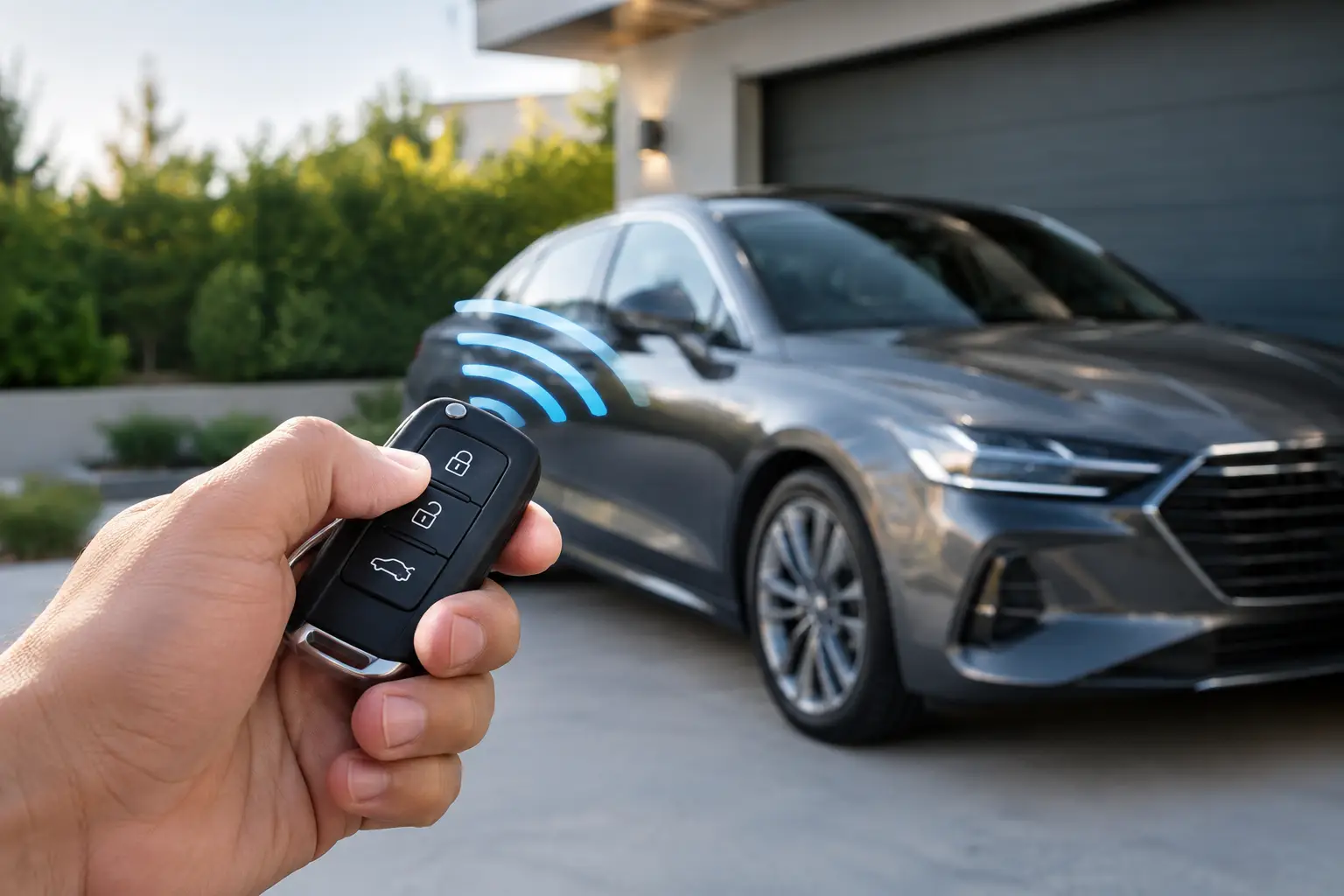
A smashed window, a missing truck, or a stolen set of tools can turn an ordinary day into a major headache fast. So, are alarms reliable? A quality vehicle alarm can be a strong layer of protection, but it is not a magic force field. Its reliability comes down to the equipment, the installation, the sensor setup, and how the system fits the way you actually use your vehicle.
The best security setups do more than make noise after someone has already crossed the line. They help deter a break-in, alert you quickly, and make your vehicle a less attractive target than the one parked next to it. For South Florida drivers, where vehicles, valuables, work equipment, and aftermarket upgrades can all draw attention, that difference matters.
Are Alarms Reliable When Someone Tries to Break In?
A properly installed alarm is reliable at doing what it is designed to do: detecting specific unauthorized activity and responding with a siren, flashing lights, a remote notification, or a combination of all three. The catch is that not every alarm is designed to detect the same threats.
A basic alarm may react when a door, hood, or trunk is opened. That is better than having no deterrent at all, but it may not respond to a broken window, a wheel theft attempt, or someone bumping into the vehicle in a busy parking lot. More advanced systems can use shock, tilt, glass-break, proximity, and motion sensors to cover more situations.
More coverage is not always better if it is poorly calibrated. A hyper-sensitive shock sensor that goes off every time a motorcycle passes or a thunderstorm rolls in will train everyone nearby to ignore it. False alarms also make owners less likely to take an alert seriously. The goal is not the loudest system. It is a smart system that responds to real threats without creating constant noise.
The Alarm Is Only as Good as the Installation
Vehicle security is electronics work, and the installation is where reliability is won or lost. A low-quality install can lead to weak connections, intermittent triggers, drained batteries, damaged factory wiring, or an alarm that does not arm and disarm consistently. Those problems are frustrating on their own, but they are especially unacceptable in a security system.
Professional installation starts with matching the alarm to the vehicle and the owner. A daily-driven sedan with keyless entry has different needs than a work truck carrying tools, a luxury SUV parked outdoors, or a customized Jeep with doors and panels that come off regularly. Factory electronics, push-button start systems, CAN-bus communication, and remote-start integration all need to be handled correctly.
Clean wiring, secure module placement, protected connections, and thoughtful sensor positioning make a major difference. An alarm brain installed where it is easy to reach can be disabled faster. Sensors placed carelessly may miss the activity they are meant to detect or trigger unnecessarily. Craftsmanship is not an extra on a security installation. It is part of the protection.
Why Cheap Alarm Installs Create Expensive Problems
A bargain alarm package can look tempting, especially if the price includes a siren and remote. But the lowest upfront price often leaves out the details that make the system useful over time. It may use limited sensors, generic integration, weak remote range, or rushed installation labor.
That does not mean every driver needs the most expensive system available. It means the system should be built around the actual risk. A clean, reliable setup with the right features will outperform an overloaded system that has never been tuned properly.
What Features Make a Vehicle Alarm More Dependable?
The most dependable alarms combine a few useful layers rather than relying on a siren alone. Door, hood, and trunk monitoring is the baseline. From there, the right additions depend on where you park, what you keep in the vehicle, and how much visibility you want when something happens.
A two-way remote is a major upgrade for many owners. Instead of hoping you hear the siren from inside a restaurant, office, condo, or job site, the remote confirms whether the system is armed and can notify you if it is triggered. App-based alerts can add even more convenience, particularly when you are outside normal remote range.
A shock sensor can detect impact, while a tilt sensor helps protect against wheel theft and towing. Glass-break sensors are useful for drivers concerned about smash-and-grab theft. Proximity sensors can create a warning zone around the vehicle, but they need careful adjustment in dense parking areas. A starter-kill feature can add another hurdle by preventing the vehicle from starting without proper authorization.
For higher-value vehicles, work trucks, fleets, and vehicles carrying custom audio, GPS tracking adds a different kind of confidence. Alarms are designed to deter and alert. Tracking can help recover a vehicle if a thief succeeds anyway. These systems work best together, not as substitutes for one another.
Are Alarms Reliable Enough to Replace Smart Habits?
No alarm can fix an avoidable security gap. If a backpack, laptop, tools, cash, or high-end audio accessories are visible through the glass, a thief may still decide the risk is worth it. An alarm may scare them away, but keeping valuables out of sight reduces the chance that your vehicle becomes a target in the first place.
Parking choices matter too. Well-lit areas with foot traffic are generally better than isolated corners of a lot. Close windows fully, lock doors every time, and do not leave spare keys or garage remotes inside. For work trucks, lockable storage solutions can protect equipment even if someone gets through a window.
Think of your alarm as part of a security plan. Window tint can reduce casual visibility into the cabin, but it should never be used as a reason to leave valuables on display. Visible deterrents, secure storage, alert technology, and careful habits all create more friction for a thief. Most criminals are looking for speed and low risk. Make your vehicle neither.
Factory Security vs. Aftermarket Protection
Most modern vehicles have factory anti-theft features, including immobilizers, door-triggered alarms, and key fob integration. These features are useful, and for many drivers they are enough. But factory systems often provide basic coverage with limited customization, notification range, or sensor options.
An aftermarket alarm can build on that foundation. It can add remote alerts, more precise sensing, GPS tracking, remote start, and protection for specific concerns like wheel theft or cargo access. The trade-off is that aftermarket equipment needs to be selected and installed by people who understand the vehicle’s electronics.
This is especially true for customized vehicles. When you have invested in premium wheels, a custom sound system, LED lighting, performance accessories, or a show-ready interior, the security plan should reflect that investment. A custom build deserves more than a one-size-fits-all alarm setting.
Keeping Your Alarm Reliable Over Time
Once an alarm is installed, use it consistently and pay attention to changes. If your system begins triggering randomly, stops acknowledging your remote, or behaves differently after battery service or vehicle repair, have it checked. Do not ignore intermittent issues until the one time you need protection.
Remote batteries should be replaced when range drops. Vehicle batteries should be maintained, particularly on cars that sit for long periods. If you add accessories later, such as amplifiers, lighting, a dash camera, or a remote-start system, make sure the electrical system and security setup are evaluated together. Good upgrades should work as one package, not compete for power or wiring space.
The right security system gives you more than a loud siren. It gives you awareness, deterrence, and confidence when your vehicle is parked out of sight. If you want protection tailored to your vehicle, habits, and upgrades, Tint Station can help build a clean, professionally installed setup that makes sense for the way you drive.