
Residential Glare Control Guide for Brighter Homes
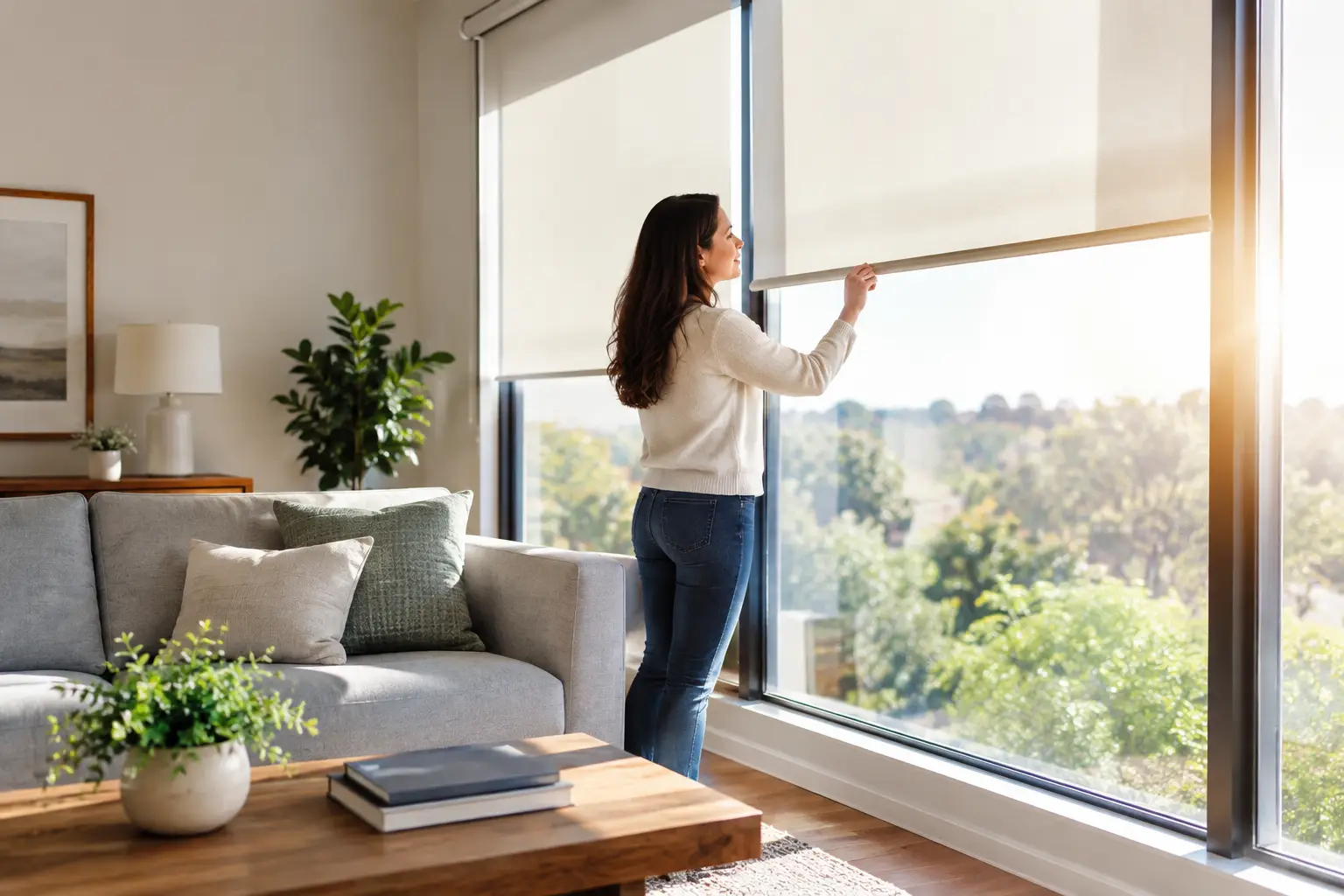
That blinding stripe of afternoon sun across the TV, kitchen counter, or home office is more than an annoyance. It can make a beautiful room hard to use, fade expensive furnishings, and force you to close the blinds during the hours when you want natural light most. This residential glare control guide breaks down how homeowners can cut harsh sunlight without turning their home into a dark box.
For South Florida homes, glare control is often tied to heat, UV exposure, privacy, and energy use. But glare has its own set of rules. The right solution depends on where the sun enters, what you are trying to see or protect, the type of glass you have, and how much daylight you want to keep.
What Causes Residential Window Glare?
Glare happens when a bright light source creates more contrast than your eyes can comfortably handle. At home, that source is usually direct sunlight hitting a window, then reflecting off a screen, glossy flooring, countertops, framed artwork, or even a pool outside.
A room can feel bright without being uncomfortable. The problem begins when the light is intense and uncontrolled. If you find yourself squinting while working, repositioning furniture to watch TV, or constantly lowering shades at certain times of day, you have a glare issue rather than simply a sunny room.
West-facing windows are often the biggest offenders because low afternoon sun enters at an angle. East-facing rooms can be difficult in the morning, while south-facing windows in Florida may receive strong light for much of the day. Skylights, sliding glass doors, and large picture windows can also create serious glare because they introduce a broad area of direct sunlight.
Start With the Room, Not the Product
The fastest way to waste money on glare control is choosing a film or shade before identifying exactly when and where the problem occurs. Spend a few days paying attention to the room. Note the time glare starts, the windows involved, and the surfaces it affects.
A home office may need screen visibility from 2 p.m. to 5 p.m. A living room may need better TV viewing without blocking a water or backyard view. A kitchen may need reduced reflection off stone counters while still feeling open and bright. Each goal calls for a different level of visible-light reduction.
Also consider whether the glare is seasonal. The sun angle changes throughout the year, so a room that is comfortable in winter may become difficult during summer. This is especially common in homes with large glass walls and open-concept layouts.
Window Film: Strong Glare Control Without Closing the View
For homeowners who want to preserve daylight and exterior views, professionally installed residential window film is often the most effective first move. The right film reduces visible light transmission and reflection while maintaining the clean appearance of the glass.
Not every tint is designed for the same result. A darker film will generally reduce more glare, but it can change the room’s appearance and make it harder to see outside at night. A high-performance, spectrally selective film can reject a significant amount of solar energy while keeping the glass relatively light. That makes it a smart option for rooms where heat and UV exposure are also concerns.
Film is especially useful on large windows, sliding doors, sunrooms, and rooms with a view worth keeping. It does not require daily adjustment, collect dust like some window treatments, or take up visual space around the window.
The trade-off is that film is a more permanent design decision than opening or closing a shade. During the day, it can improve outward visibility by reducing brightness outside. At night, interior lights can create reflections in the glass, particularly with darker films. A professional can help balance performance, privacy, and the look you want from both inside and outside the home.
Check Your Glass Before Tinting
Glass type matters. Dual-pane windows, low-E coatings, tempered glass, and older insulated units may have specific film compatibility requirements. Applying the wrong product can increase thermal stress or affect manufacturer warranty terms.
This is why a proper evaluation matters more than picking the darkest sample. An experienced installer should identify the glass type, inspect seals and existing damage, discuss the room’s exposure, and recommend a film engineered for that application. Quality installation also matters because clean edges, proper curing, and correct preparation separate a premium result from a shortcut.
When Shades, Blinds, or Drapes Make More Sense
Window film controls light all day. Shades and blinds give you adjustable control, which is valuable when a room serves multiple purposes. A media room may need near-blackout conditions for movie night but full daylight during the day. A bedroom may benefit from privacy and glare reduction at different times.
Solar shades are a popular option because they reduce glare while preserving some visibility through the fabric. Their openness factor determines how much light and view come through. A lower openness factor generally blocks more glare and provides greater daytime privacy, while a higher openness factor keeps a more open view but offers less control.
Cellular shades can add insulation, while roller shades deliver a clean, modern look. Plantation shutters and horizontal blinds allow you to redirect light toward the ceiling instead of letting it hit a screen or work surface directly. Drapes provide a softer design element and strong light blocking, though they can make a smaller room feel heavier when closed.
For many homes, the best answer is a combination: window film for daily heat, UV, and glare reduction, plus adjustable shades for the brightest hours or privacy after dark.
Exterior Solutions Can Stop Sun Before It Hits the Glass
If direct sun is intense, exterior shading can be more effective than any interior treatment because it blocks solar energy before it enters the home. Overhangs, awnings, pergolas, exterior solar screens, and landscaping can all reduce the amount of direct light reaching the glass.
This approach is particularly useful for west-facing patios, large sliders, and rooms where the sun comes in low during late afternoon. The limitation is architectural. Exterior systems need to fit the home’s style, withstand weather, and avoid blocking the view or access you enjoy.
A strategically placed exterior shade can make a major difference, but it may not solve reflections from bright pavement, water, white roofing, or neighboring buildings. Those situations often still benefit from interior glare-control film.
Fix the Reflections Inside the Room
Sometimes the window is only half the problem. Glossy surfaces amplify glare, especially in modern homes with polished stone, glass tables, bright tile, and large televisions. Before making a major purchase, try moving the screen or workstation so it sits perpendicular to the window rather than directly opposite it.
Matte finishes can help in high-glare work areas. Area rugs, textured furnishings, and lower-sheen paint reduce reflected light without changing the room’s personality. Tilting a monitor, adding a hood to an outdoor-facing screen, or changing television placement can also solve a targeted issue at a much lower cost.
Lighting design matters after sunset, too. If you want a clear nighttime view through tinted windows, avoid placing bright interior fixtures directly behind you. Dimmer, layered lighting creates less reflection in the glass than one powerful overhead fixture.
Choosing the Right Level of Tint
There is no universal best tint percentage for a house. The right choice depends on the room, the direction the windows face, and your tolerance for reduced visible light. A bright great room may handle a stronger glare-control film well. A naturally dim hallway or north-facing room may need a lighter, clearer option.
Ask to view samples against your actual windows at different times of day. A sample that looks subtle under showroom lighting can feel noticeably darker on a large wall of glass. Pay attention to exterior appearance too, particularly if your neighborhood has design guidelines or you want consistent curb appeal.
The goal is not to make every room darker. It is to make the light usable. A well-selected film or shade lets you work, relax, watch, and enjoy your view without fighting the sun every afternoon.
Get a Custom Plan for Your Home
Residential glare control works best when it is built around your home instead of a generic product recommendation. Tint Station can evaluate your glass, room layout, glare timing, and comfort goals to recommend a clean, professional solution that fits your space.
A free consultation is a smart place to start, especially if you are deciding between window film, solar shades, or a layered approach. Bring your toughest room into focus first. Once that space becomes comfortable, you will have a much clearer picture of what the rest of your home needs.