
Restaurant Glare Reduction That Guests Notice
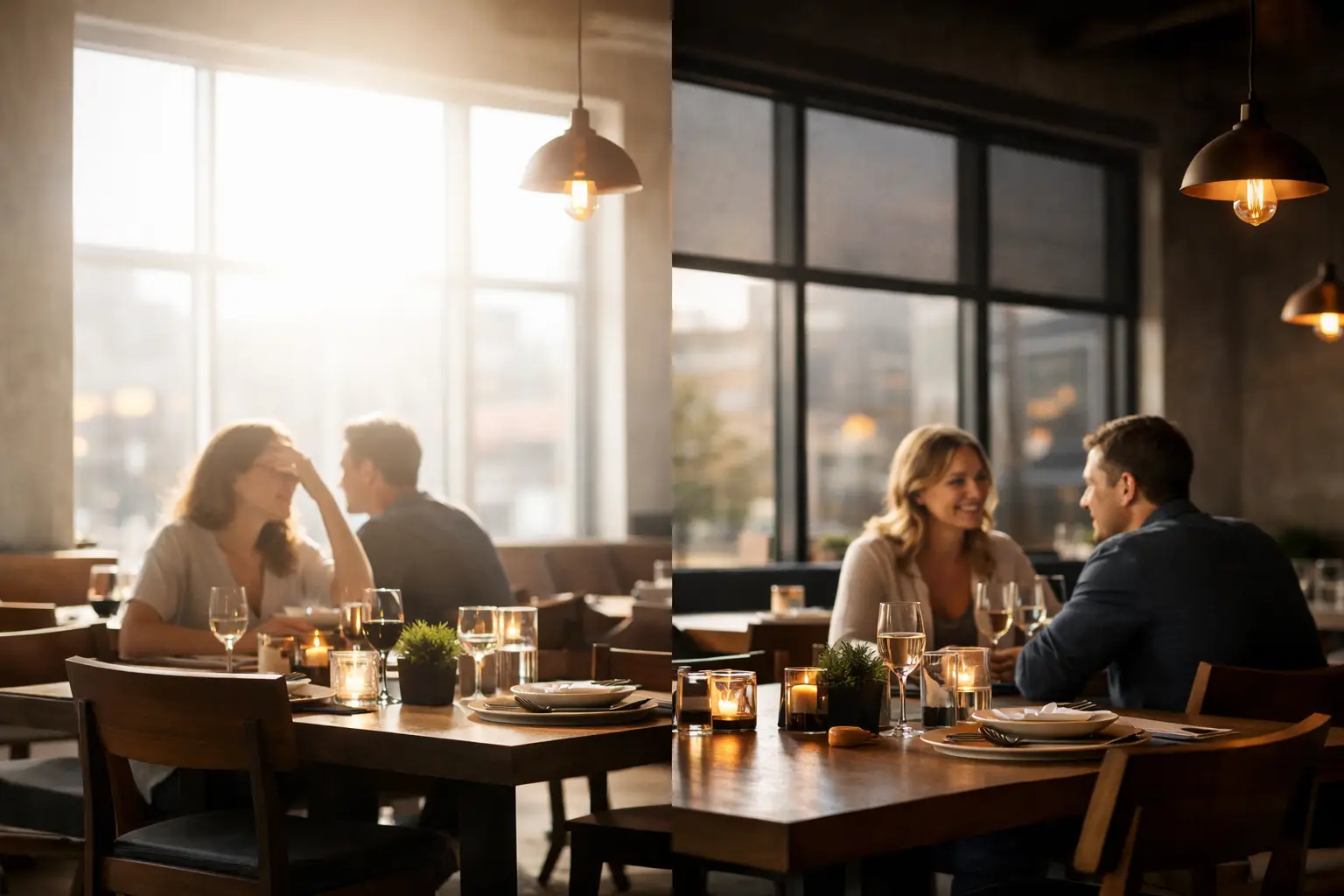
That bright front window may look great from the sidewalk, but at 12:30 p.m. it can turn half your dining room into a squint zone. Restaurant glare reduction is not just about making the room darker. It is about keeping guests comfortable, protecting the look of your space, and giving your team a dining room that works through every sunny shift.
In South Florida, direct sun can move across a restaurant fast. A table that feels inviting at brunch can become the one customers avoid by lunch. Harsh reflections on menus, tablets, bar tops, and display cases take away from the experience you have invested in. The right commercial window film gives you control without covering up the windows that make your restaurant stand out.
Why Restaurant Glare Reduction Pays Off
Glare creates friction in ways owners do not always see on a walkthrough. Guests lean away from the window, pull down shades, move tables, or ask to be reseated. Servers struggle to read handheld screens. Customers cannot clearly see menu boards or the food they are photographing. None of those moments feels premium.
Window film reduces the intensity of direct and reflected sunlight before it floods the room. Depending on the film selected and the glass you already have, it can cut visible glare while still allowing natural light into the space. That balance matters. A restaurant should feel bright and open, not like it is operating behind a blackout curtain.
There is also a practical business case. Sunlight can fade upholstery, flooring, wall graphics, wood finishes, and merchandise near the windows. It can force your HVAC system to work harder during peak hours. Glare control film often supports heat and UV reduction at the same time, so one professionally installed upgrade can improve comfort on several fronts.
Start With the Sun, Not the Film Shade
The best tint choice is not always the darkest one. A film that looks perfect on a sample card may make an already shaded dining room feel flat after installation. On the other hand, a very light film may not do enough for west-facing glass that gets hit with intense afternoon sun.
A proper glare-control plan starts with the building itself. Which windows receive direct light? At what times do guests complain? Are reflections coming from the street, nearby water, light-colored pavement, or interior fixtures? A storefront facing east has a different problem than a bar with broad western exposure, and a glass-walled patio has different needs than a quick-service counter.
Think about the function of each zone, too. The host stand and waiting area may benefit from a clear view outside. A booth section where customers eat lunch may need stronger glare reduction. The kitchen pass, point-of-sale area, and beverage display can require a more targeted approach. Commercial window film does not have to be one shade across every pane.
Visible Light Matters
Visible light transmission, often called VLT, describes how much visible light passes through the film and glass combination. A lower VLT generally means a darker appearance and stronger light control. But lower is not automatically better.
For many restaurants, a medium or light film can take the edge off harsh glare while preserving the daylight and street-facing appeal that make the room feel alive. Areas with extreme exposure may call for a darker option, especially when guests sit directly beside the glass. The right decision depends on orientation, interior finishes, local lighting, and the atmosphere you want after sunset.
Reflective Film Has a Trade-Off
Reflective and dual-reflective films can be strong performers for solar control. They can help reject heat and manage glare, but their exterior appearance may be more noticeable. That can work well for a modern storefront or a back-of-house area, yet it may not match every restaurant brand or property rule.
At night, highly reflective film can also change how the glass behaves when interior lights are brighter than outdoors. Your windows may act more like mirrors from inside. That is not always a deal-breaker, but it should be part of the conversation before anything goes on the glass.
Protect the Guest Experience Without Losing Your View
Guests choose window seats for a reason. They want natural light, people-watching, water views, or a sense of connection to the neighborhood. The goal is not to erase that. The goal is to stop sunlight from overpowering it.
Quality architectural films are available in neutral tones that complement clean glass and polished interiors. They can reduce hot spots without making the room look overly tinted, purple, or reflective. This is especially important for restaurants with carefully planned colors, custom murals, premium furniture, or a strong social media presence. Your space should photograph the way you designed it to look.
If the glare issue is limited to a few hours, shades or blinds may seem like the easiest answer. They can help, but they also block the view, collect dust, require staff attention, and look inconsistent when some are open and others are closed. Window film works all day without asking your team to adjust it between tables.
For serious problem areas, film and shades can work together. Film handles the constant solar load and UV exposure; shades provide an extra layer during the most intense sun angle. That combination makes sense for large walls of glass, patio enclosures, and dining rooms with low afternoon sun.
Restaurant Glare Reduction for Every Service Area
The dining room gets most of the attention, but it is not the only place glare affects operations. Walk through the full customer path before making a decision.
The host station needs clear visibility to greet arrivals and manage reservations. A glare-heavy entrance can make it hard for staff to see approaching guests, especially when they are looking toward bright outdoor light. The bar needs comfortable sightlines and a clean visual backdrop, not sun blasting across polished surfaces or television screens.
In quick-service restaurants, glare can make digital menu boards, payment terminals, and pickup screens harder to read. In cafes and bakeries, direct sun can fade packaging, displays, and seating materials while making refrigerated cases work harder. Fine-dining spaces may need a subtle film that respects the room’s design, while casual waterfront locations may prioritize maximum heat and glare control.
The answer is rarely a one-size-fits-all tint percentage. It is a custom layout based on where people sit, work, and look.
Why Professional Installation Matters
Commercial glass is not always simple. Restaurants may have insulated glass units, tempered panes, decorative glass, storefront systems, or older windows with unknown conditions. The film has to be compatible with the glass to avoid performance issues and to deliver the result you expect.
A professional installer evaluates the glass type, window condition, exposure, and desired appearance before recommending a film. That matters because some combinations can retain more heat in the glass than others. The wrong product choice can create unnecessary risk, especially on certain double-pane or specialty windows.
Installation quality also shows. Clean edges, consistent alignment, and careful handling around frames keep the final look professional. Bubbles, contamination, uneven cuts, or mismatched film selections can make a premium restaurant feel unfinished. This is a visible upgrade, so craftsmanship counts.
Tint Station approaches commercial tint like a real customization project, not a generic roll of dark film. The goal is to match the product to your sunlight, your layout, and the image you want customers to remember.
Plan for Operations, Not Just Installation Day
Most restaurant owners worry about downtime, and they should. Your dining room cannot be tied up during a busy service window. A professional team can plan the work around operating hours, section off areas, and schedule installation to reduce disruption.
Before the project, move delicate decor and give the installer access to the windows. Let staff know that the film may have a curing period, during which a little haze or moisture appearance can be normal. Avoid cleaning the glass immediately after installation, and use non-abrasive tools and ammonia-free cleaning products once the film has cured.
Ask about the manufacturer’s warranty and keep the paperwork with your building records. If you lease the space, confirm any landlord or property-management requirements before selecting a film. Exterior appearance rules can affect the right option, particularly in retail centers and mixed-use properties.
A restaurant should never have to choose between a bright, inviting room and a comfortable one. The right glare-control film lets you keep the daylight, the view, and the polished look of your space while cutting the harsh sun that sends guests searching for another table. If a certain corner of your restaurant is consistently empty when the sun hits, that is your cue to get a professional assessment and build a solution around how your business actually operates.
Related window tinting services from Tint Station