
Security Film for Storefront Windows
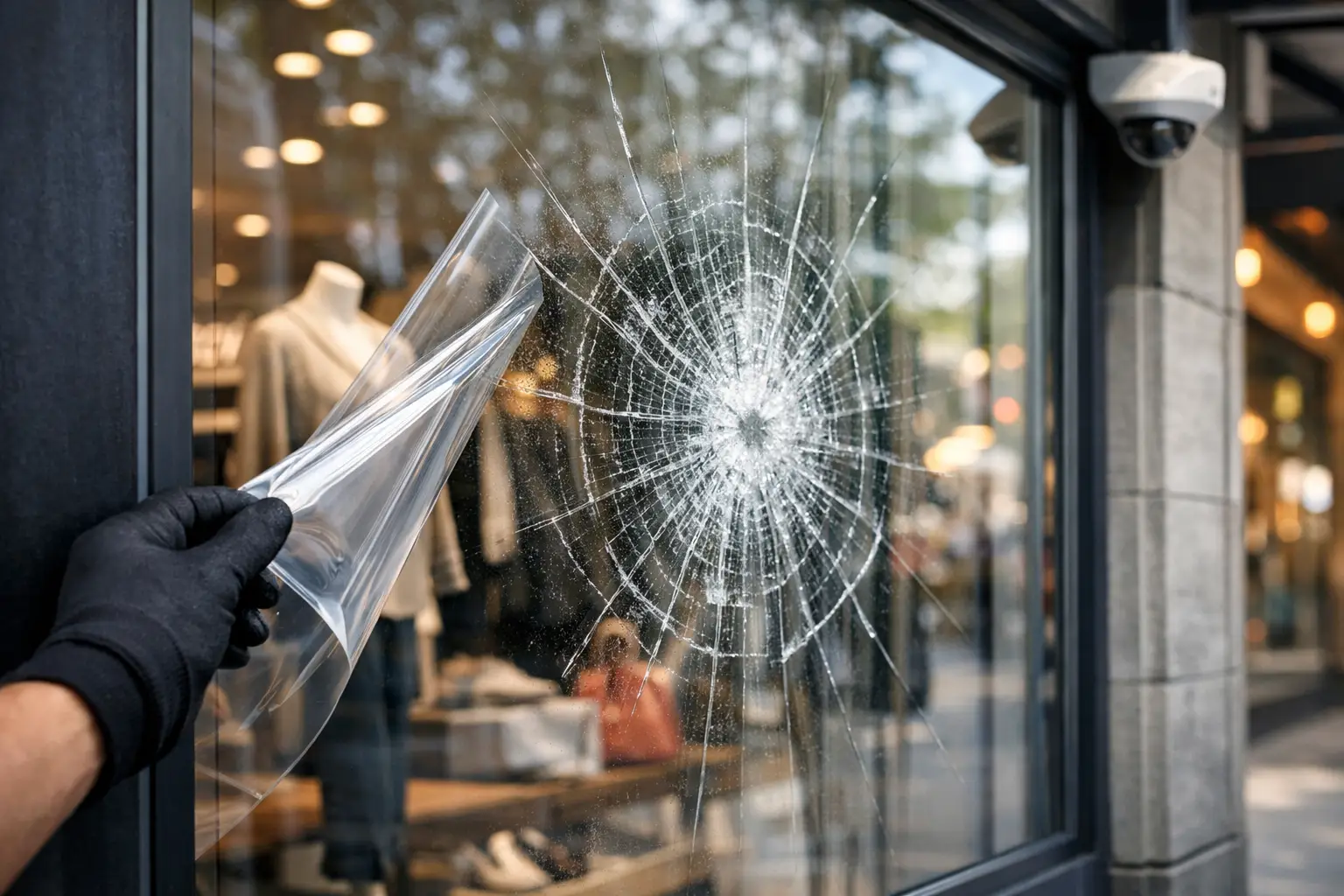
A shattered front window can turn into a lost sales day fast. For retail shops, salons, offices, restaurants, and service businesses, security film for storefront windows is one of the smartest upgrades you can make when you want more protection without changing the look of your glass.
It is not a metal shutter. It is not bulletproof glass. And it is not a gimmick. Done right, security film is a clean, professional layer that helps hold broken glass together, slows forced entry, and reduces the danger that comes with flying shards after impact. For business owners who want real-world protection without making the storefront feel closed off or overbuilt, that matters.
What security film for storefront windows actually does
Security film is a thick polyester film professionally installed on existing glass. Its main job is simple – if the glass is struck, the film helps keep it from breaking apart and falling away immediately. That changes the whole situation during an attempted break-in.
In a smash-and-grab, speed is everything. A thief is usually counting on one hit, quick access, and a fast exit. Security film adds resistance. Even if the glass cracks, the pane can stay bonded together much longer than untreated glass. That extra time can be enough to make an intruder give up, trigger a better alarm response, or at least reduce how easily they can get through.
There is also a safety side that gets overlooked. Storefront glass can be dangerous during storms, accidental impacts, or vandalism. When glass breaks, security film helps hold those fragments in place. That can lower cleanup hazards, reduce injury risk for staff and customers, and keep more of the mess contained.
Why storefronts are different from other commercial windows
A storefront is designed to be open, visible, and inviting. That is great for business. It also creates exposure. Large panes of glass at street level are easier targets than upper-story office windows, and they are often the first point of attack after hours.
That is why security film for storefront windows needs a different conversation than basic office tint. You are balancing visibility, branding, daylight, and curb appeal with theft deterrence and safety. The right film should support the look of the business, not fight it.
Some storefronts want a clear film that keeps the glass looking untouched. Others pair security film with solar or privacy performance, especially in South Florida where heat and glare are part of daily business operations. It depends on the layout, the exposure, and what kind of protection matters most to you.
What security film can and cannot do
This is where honest expectations matter.
Security film can make forced entry more difficult. It can help hold shattered glass together. It can improve post-break safety. It can also support a layered security plan that includes alarms, cameras, reinforced hardware, and proper lighting.
What it cannot do is make weak glass invincible. Film improves glass performance, but it does not turn standard storefront glass into a vault wall. A determined intruder with enough time and the right tools may still get through. That does not make the film ineffective. It means the goal is delay, disruption, and damage reduction, not magic.
For many businesses, that trade-off makes complete sense. Replacing all storefront glass with specialty laminated systems can be expensive and disruptive. Security film gives you a strong upgrade path using the glass you already have.
Clear film or tinted film?
A lot of business owners assume security film has to look dark or mirrored. It does not. Clear options are common and popular because they preserve the appearance of the storefront while adding protective benefits.
That said, some businesses want more than impact resistance. If your storefront gets hammered by sun all afternoon, a film package may be able to address security, heat, glare, and UV exposure at the same time. Retail displays, flooring, furniture, and waiting areas all benefit when the glass works harder.
This is where professional guidance matters. The best setup is not always the thickest film. It is the film system that matches the glass type, framing, daily conditions, and your actual security goals.
Installation matters more than most people think
Security film is not a peel-and-stick weekend project. On storefront glass, installation quality changes performance.
The film has to be applied correctly, with proper surface prep and clean adhesion. In many cases, attachment systems or edge anchoring play a major role because the glass and the frame need to work together. If the pane stays bonded but pulls free at the edges too easily, you are not getting the full benefit.
That is why a professional installer looks beyond the film roll itself. Glass size, frame condition, door sections, sidelights, and vulnerable entry points all matter. A shop with large front panels may need a different approach than a small office with a single glass door and side windows.
Craftsmanship is the difference between a film that simply sits on glass and a system that actually performs when it counts.
Where security film makes the biggest impact
Retail storefronts are the obvious fit, but they are not the only ones. Security film is a smart move for smoke shops, jewelry stores, salons, convenience stores, medical offices, restaurants, gyms, and any business with large glass exposure at ground level.
It is especially valuable where visibility is part of the business model. You do not want to hide your storefront behind bars or solid coverings if customer experience matters. Security film lets you keep the open look while adding a practical layer of protection.
For property managers, it can also be part of a broader building strategy. If multiple tenant spaces have similar frontage, upgrading storefront glass with film can improve safety standards and create a more consistent level of protection across the property.
Is it worth it for storm and accidental impact protection?
Often, yes – but this depends on the exact product and installation method.
Many business owners first think about theft, but storms and random impacts are part of the real risk picture too. In Florida especially, high winds and windborne debris are not abstract concerns. Security film may help reduce dangerous glass fallout during impact events, though not every film is designed or rated for the same level of storm performance.
That distinction is important. If your main priority is hurricane or code-related protection, you need to ask specifically about products and systems built for that use. If your priority is break-in delay and glass retention, the recommendation may be different. The best answer comes from an on-site evaluation, not a one-size-fits-all sales pitch.
How to decide if security film is the right fit
Start with the most likely risks your storefront faces. Is your concern after-hours theft? Daily sun exposure? Customer safety after accidental glass breakage? Storm season? Usually, it is some mix of all four.
Then look at the condition and layout of your existing glass. Older storefronts, oversized panes, and vulnerable entry doors may need more than a basic film install. That does not mean the project is off the table. It just means the right solution may include upgraded attachment methods or a combined film strategy.
Budget matters too. Security film is often appealing because it gives businesses a cleaner, lower-profile upgrade than replacing every pane with specialty security glazing. If you want stronger protection without a full storefront rebuild, it is a practical place to start.
Why business owners choose this upgrade
Most commercial upgrades either change how a place looks or how it performs. Security film can do both without making the storefront feel heavy-handed.
You keep the natural light. You keep the visibility. You keep a professional appearance customers are comfortable walking up to. At the same time, you add a layer that helps your glass work harder under pressure.
That combination is why this upgrade makes sense for so many local businesses. It is not flashy, but it is serious. It supports safety, helps deter opportunistic crime, and protects the investment you have already made in your property.
If your storefront glass is currently doing nothing but letting people see in and out, there is room to improve it. A professionally installed security film system can add protection without compromising the clean, custom look your business depends on. If you want to know what fits your space, the smartest next step is a real quote based on your actual glass, not a generic guess.