
Smart Tint: Is Adjustable Glass Worth It?
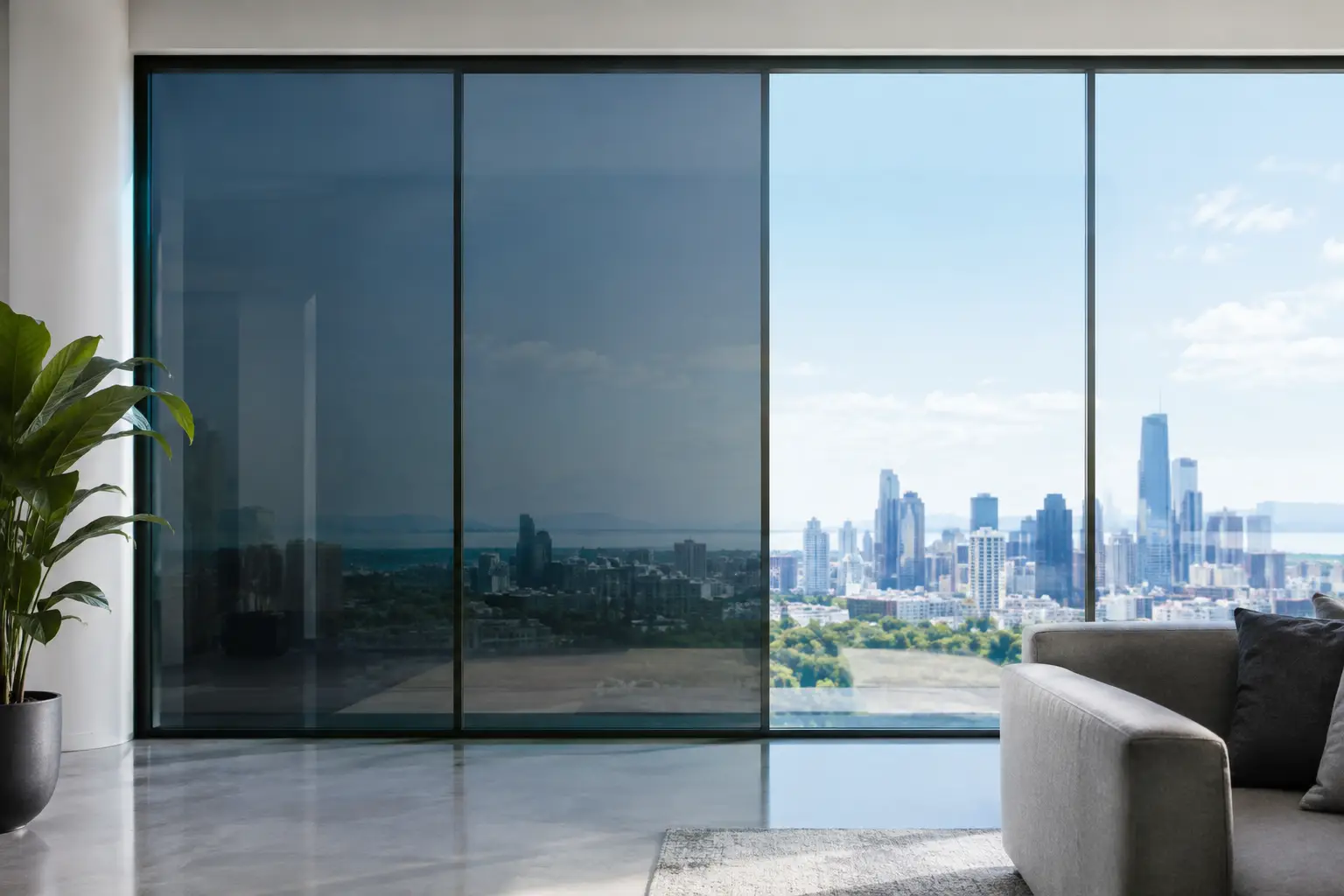
A dark window is great until you need to see clearly at night, want sunlight in your living room, or need an open view from a storefront. Smart tint takes a different approach: instead of staying at one shade level, it uses electrically controlled glass or film to change its appearance on command. For the right vehicle, home, or business, that can be a serious comfort and privacy upgrade. It is also a more specialized investment than standard window film, so the details matter.
What Smart Tint Actually Does
The term smart tint gets used for several products, and they do not all perform the same way. The most common option is PDLC, short for polymer dispersed liquid crystal. When the power is off, the liquid crystals scatter light and make the glass look frosted or opaque. Turn the power on, and the film becomes clear. This makes PDLC a strong choice when instant privacy is the main goal.
Electrochromic glass works differently. It gradually shifts from clear to darker when activated, helping control glare and visible light while maintaining a view through the glass. It is more commonly built into premium architectural glass and certain factory vehicle applications than added as a simple aftermarket film.
There are also switchable films that combine privacy functions with varying levels of solar control. Product construction, wiring, transformer placement, glass type, and installation location all affect the final result. That is why “smart tint” should never be treated as one universal product with one universal price.
Privacy on Demand Changes the Conversation
Traditional tint is a permanent visual choice. You pick a shade that fits the legal limit, your style, and your daytime comfort needs, then it stays that way. Quality ceramic window film remains one of the most effective upgrades for heat rejection, UV protection, and a clean finished look.
Smart tint solves a separate problem. It gives a space the ability to change modes. A bathroom window can go from clear to private. A conference-room partition can switch from open and bright to closed for a meeting. A luxury van, yacht cabin, or specialty vehicle can gain privacy without relying on curtains or shades.
For South Florida properties, that instant control can be especially useful in high-visibility spaces. Think street-facing offices, entry sidelights, condo interiors, treatment rooms, or a home where privacy needs change throughout the day. When the film is clear, the glass keeps its open feel. When it is activated for privacy, the view is blocked without adding bulky window coverings.
The trade-off is important: standard PDLC privacy film typically turns frosted, not dark like a traditional automotive tint. It diffuses light, but it is not automatically a substitute for a high-performance solar film. If your top priority is reducing cabin heat or blocking harsh sun, ceramic tint may still be the better primary upgrade.
Where Smart Tint Makes the Most Sense
Smart tint earns its keep where the ability to control visibility has real value. It is not always the right answer for every pane of glass, every car, or every budget.
Homes and condos
Interior glass is one of the best applications. Glass walls, shower enclosures, home-office partitions, and doors can switch from transparent to private in seconds. This gives a modern space more flexibility without permanently closing it off.
Exterior residential windows require a closer look. Homeowners often want heat reduction, UV protection, and daytime privacy, especially in sunny rooms. In many cases, a premium solar-control film delivers those results more efficiently than switchable privacy film. A smart solution can make sense for a specific feature window, but it should be selected around the room’s actual problem, not just the technology.
Storefronts and commercial interiors
For businesses, switchable film can turn a plain glass partition into a functional branding and privacy tool. A medical office can create privacy in an exam or consultation area. A conference room can become private at the touch of a button. A showroom can control sightlines while keeping a clean, high-end appearance.
Commercial projects require planning. The electrical components need a protected route, the glass must be properly prepared, and the system should be designed for the way staff will use it every day. A switch, remote, wall control, or smart-building integration may be possible depending on the product selected.
Vehicles, marine cabins, and custom builds
In automotive and marine work, smart tint is best viewed as a specialty customization. Privacy partitions, limo-style divider glass, executive vans, enclosed trailers, and marine cabin windows are often stronger candidates than a typical daily driver’s side windows.
Automotive glass also brings legal considerations. State tint laws regulate visible light transmission on windshields and side windows. Any custom glass treatment needs to be evaluated for safety, visibility, and compliance before installation. A show-stopping upgrade is not worth creating a nighttime visibility problem or a legal headache.
Smart Tint vs. Ceramic Window Film
This is not a battle where one product wins every time. The better choice depends on what you want the glass to do.
Ceramic film is the proven choice for drivers and property owners who want meaningful heat rejection, UV protection, reduced glare, and a consistent appearance. It has no switches, wiring, power supply, or moving parts. Once professionally installed, it works every day without asking you to think about it.
Smart tint is about active control. It can give you privacy when you want it and transparency when you do not. That flexibility has a cost, both in the material itself and in the electrical work required to make the system reliable and clean.
Some projects can benefit from both technologies, but compatibility must be confirmed. Adding film layers without considering heat absorption, manufacturer specifications, and glass construction can create performance issues. The right setup begins with an inspection and a clear conversation about privacy, sun exposure, aesthetics, and budget.
Installation Is More Than Applying Film
A clean switchable-film installation starts with precise measurements and a realistic plan for power. The film must be cut accurately, positioned without contamination or bubbles, and connected with carefully managed busbars and wiring. On architectural glass, wiring may need to be concealed in a frame, wall, ceiling, or trim channel. On custom vehicles or boats, it has to be routed safely around moving panels, moisture, vibration, and existing electronics.
The finished look matters just as much as the function. Exposed wiring, uneven edges, poorly placed controls, or an undersized power supply can take a premium idea and make it feel unfinished. This is specialty work, not a shortcut upgrade.
Maintenance is straightforward once the system is installed correctly. Use soft, non-abrasive materials to clean the glass, avoid aggressive chemicals near film edges and electrical connections, and treat the control components as part of the system. If the film stops switching consistently, it needs diagnosis rather than guesswork. The issue could involve power, wiring, a controller, or the film itself.
What Affects Smart Tint Cost?
The price of smart tint varies widely because the project scope varies widely. A small interior privacy panel is a different job from a full conference room, a yacht cabin, or a custom van partition. Glass dimensions, shape, accessibility, electrical routing, control options, film type, and the amount of finish work all influence the quote.
Be cautious with a price that only covers material. The installation quality, power design, and finishing work determine whether the system performs like a premium upgrade or becomes a recurring frustration. A proper quote should identify the intended use, the specific glass surfaces, how the film will be controlled, and what the final installation will look like from both sides.
For a project that needs more than privacy, consider the bigger upgrade plan. A commercial space may pair switchable film with architectural window tint and lighting. A custom vehicle may pair privacy glass with audio, security, LEDs, or a full interior build. Coordinating the work under one roof can prevent rework and keep the finished result cohesive.
Start With the Problem You Want to Solve
Smart tint is impressive technology, but the best glass upgrade is the one that fits your daily life. If you need heat control in a South Florida vehicle, ceramic window film may deliver the strongest value. If you need a room, partition, cabin, or feature window to switch between open and private, smart tint can create a level of control that permanent film cannot match.
Bring the vision, the space, and the goal to a professional consultation. Tint Station can help map out a custom solution that looks sharp, works reliably, and feels like it belongs in the build from day one.
Related window tinting services from Tint Station