
Automotive Paint Protection Film Guide for Drivers
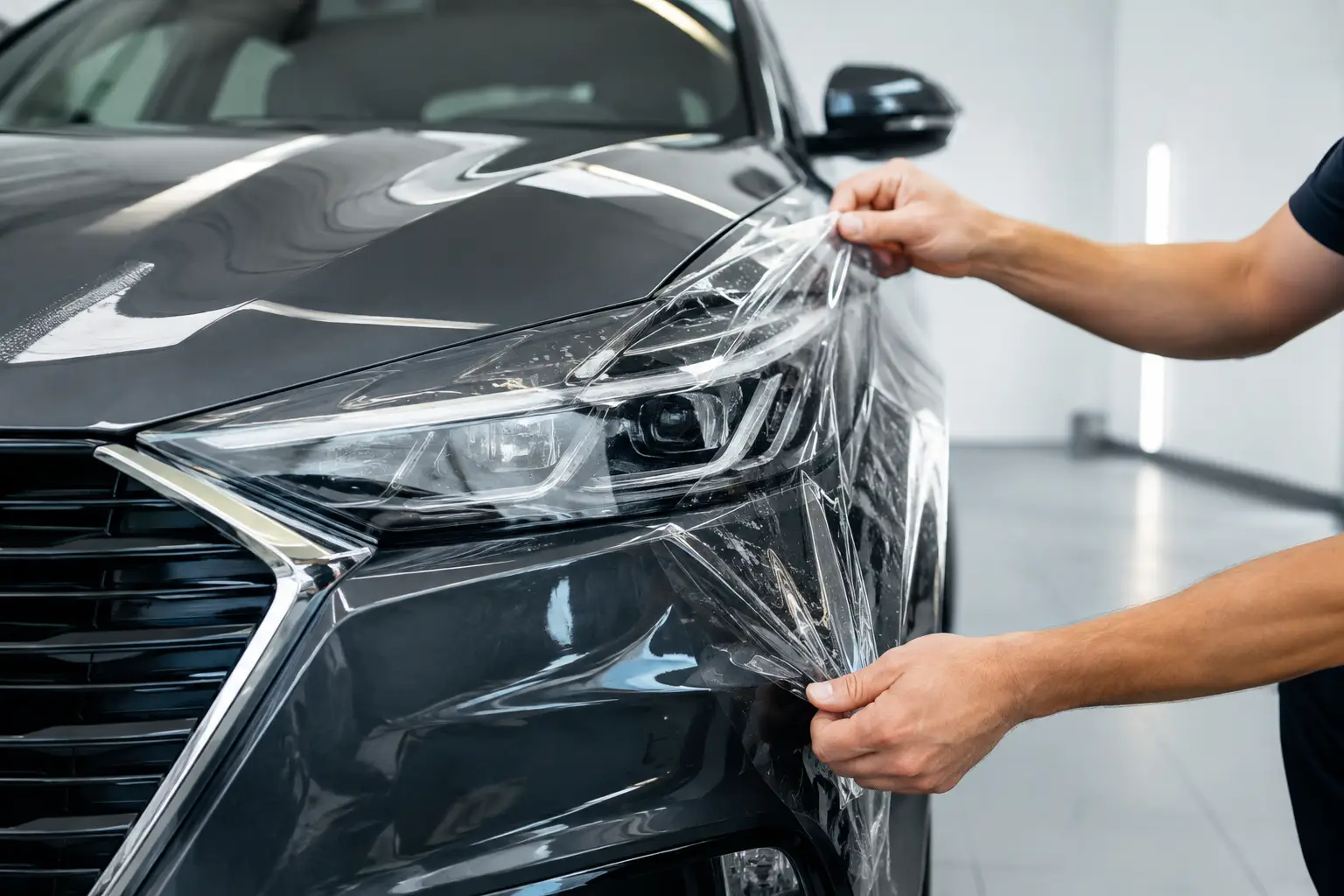
A clean paint finish can change the entire presence of a vehicle – until I-95 debris, tight parking lots, bug splatter, and South Florida sun start leaving their mark. This automotive paint protection film guide breaks down what PPF does, where it makes the most sense, and how to choose a package that fits the way you actually drive.
Paint protection film is not just for exotic cars that live under showroom lights. It is a serious upgrade for daily drivers, trucks, luxury SUVs, performance builds, and leased vehicles that need to stay sharp through real-world use. When installed correctly, it protects the areas that take the hardest hits without changing the character of your build.
What Paint Protection Film Actually Does
Paint protection film, often called PPF or clear bra, is a clear urethane film installed over painted surfaces. Its job is simple: create a sacrificial barrier between your factory paint and the abuse that comes with driving.
Road grit, loose gravel, tire spray, insects, bird droppings, light scuffs, and minor parking-lot contact can all damage an unprotected finish. PPF absorbs much of that impact before it reaches the paint below. Quality modern films are also designed to resist stains and discoloration while maintaining a high-gloss, nearly invisible finish.
Many premium films have self-healing topcoats. On minor swirl marks and light surface scratches, heat from the sun or warm water can help the film level itself back out. That does not mean PPF makes a vehicle indestructible. A deep scrape, sharp impact, or major collision can still damage the film and possibly the panel underneath. But it can make the difference between replacing a section of film and paying for paint correction or repainting.
For drivers in Deerfield Beach and throughout South Florida, the protection matters year-round. High UV exposure, sudden rain, construction debris, salt air near the coast, and constant highway traffic all add up fast.
Automotive Paint Protection Film Guide: Choosing Coverage
The right amount of PPF depends on your budget, your vehicle, and where it sees the most action. A weekend car that stays in the garage needs a different plan than a black daily driver commuting through heavy traffic every day.
Partial front coverage
A partial front package usually protects the leading section of the hood and front fenders, plus the front bumper and mirrors. It is an entry point for drivers who want protection where rock chips happen most often.
The trade-off is visible coverage lines on the hood and fenders, particularly on darker colors when the vehicle gets dusty. It can be a smart value move, but it is not always the cleanest-looking option for customers who are detail-focused.
Full front coverage
For most daily-driven vehicles, full front coverage is the sweet spot. It typically includes the full hood, full front fenders, front bumper, mirror caps, and often the headlights. This protects the high-impact zone while allowing installers to wrap edges more cleanly and avoid the lines associated with partial panels.
If your vehicle spends time on the highway, follows construction traffic, or has a low, wide front end, full front PPF is usually the package to consider first. It is especially popular on performance cars, luxury vehicles, and trucks with large painted front surfaces.
High-impact add-ons
Some areas deserve attention even when you are not protecting the entire vehicle. Rocker panels get blasted by debris from your own tires. Behind-the-wheel areas, lower doors, door edges, trunk ledges, and loading zones are all common wear points.
These targeted pieces are practical for SUVs, trucks, family vehicles, and cars with wide tires. They are also ideal for owners who regularly load gear, carry kids, or use their vehicle for work.
Full vehicle protection
A full PPF wrap covers nearly every painted exterior panel. It is the premium choice for vehicles with delicate factory paint, rare colors, high resale value, or owners who want maximum preservation from bumper to bumper.
Full coverage costs more because of material, prep, panel complexity, and installation time. The payoff is comprehensive protection and a finish that can stay remarkably fresh over the long term. For a high-end build, it also protects the investment you made in the vehicle’s appearance.
Gloss, Matte, or Color-Change Film?
Clear gloss PPF is the go-to choice when you love your factory color and want it to look like itself on its best day. A quality gloss film adds protection while preserving the paint’s depth and shine.
Matte or satin PPF transforms a gloss-painted vehicle into a smooth, stealthy finish while still delivering paint protection. It is a strong choice for drivers who want a custom look without permanently repainting the vehicle. Maintenance is more specific with satin finishes because aggressive polishing can alter the sheen, so professional care guidance matters.
Color PPF gives owners another lane: protection plus a new visual identity. It can deliver a bold color shift while offering the impact resistance expected from PPF. This option is ideal for a custom build, but it requires careful material selection and experienced installation because coverage, edges, and panel transitions matter even more when the film is not clear.
PPF vs. Ceramic Coating: They Are Better Together
Paint protection film and ceramic coating get compared constantly, but they solve different problems. PPF is physical protection. It is made to take impacts, resist chips, and defend vulnerable paint surfaces.
Ceramic coating is primarily a surface treatment. It can make washing easier, increase water beading, add gloss, and help reduce the way dirt and grime stick to the surface. It does not provide the same level of protection against road debris and rock chips.
The strongest setup is often PPF on high-impact areas and ceramic coating over the protected film and remaining painted surfaces. That approach gives you the chip resistance where it counts and the easier cleaning benefits across the vehicle. The exact combination depends on budget, vehicle use, and finish goals.
What a Professional Installation Should Include
PPF is only as good as the installation underneath it. A great film installed over contamination, existing paint defects, or poorly prepared edges will not deliver the finish you expect.
The process begins with a detailed wash and decontamination. Depending on the condition of the vehicle, paint correction may be recommended before film goes on. PPF will protect the finish below it, but it will not erase scratches, water spots, or prior damage. If the paint is already compromised, those flaws may remain visible through clear film.
Experienced installers use vehicle-specific patterns or careful custom trimming techniques to achieve accurate coverage. They work to minimize visible edges, properly set the film around curves, and prevent contamination from getting trapped under the surface. Complex bumpers, sharp body lines, sensors, vents, and aggressive aero pieces require patience, not shortcuts.
At Tint Station, PPF is approached like any premium appearance upgrade: the protection should look intentional, clean, and tailored to the vehicle. A rushed install is never the bargain it first appears to be.
How to Care for Paint Protection Film
PPF is low-maintenance, not no-maintenance. Let fresh film cure according to your installer’s instructions before washing it. Once cured, hand washing with pH-balanced automotive products is the safest routine.
Avoid harsh chemicals, abrasive pads, and pressure-washer tips held too close to film edges. Keep the nozzle at a reasonable distance and do not aim directly into seams. If bird droppings, tree sap, or bug residue lands on the vehicle, remove it promptly rather than letting heat bake it into the surface.
You should also inspect the film occasionally, especially after long road trips or off-road use. Small edge lifts or isolated damage are easier to address early. With proper care, quality PPF can provide years of protection, though lifespan varies by film type, climate exposure, storage, and maintenance habits.
Is PPF Worth It for Your Vehicle?
PPF makes the most sense when preserving paint condition matters to you. That may mean protecting the resale value of a luxury SUV, keeping a new truck free of front-end chips, saving a performance car’s low bumper from highway damage, or simply keeping your daily driver looking freshly detailed longer.
It may not be necessary to wrap every panel on every car. If your budget is focused, start with the front bumper, hood, fenders, mirrors, and rockers. Those are the zones that usually show damage first. If your vehicle is a long-term keeper or a high-value build, broader coverage becomes easier to justify.
The best package is not the biggest package on paper. It is the one that protects your vehicle’s vulnerable areas, fits your style, and matches how hard you drive it. Request a custom consultation before the next road chip becomes the first flaw in an otherwise dialed-in finish.