
Best Fleet Security Devices for Working Vehicles
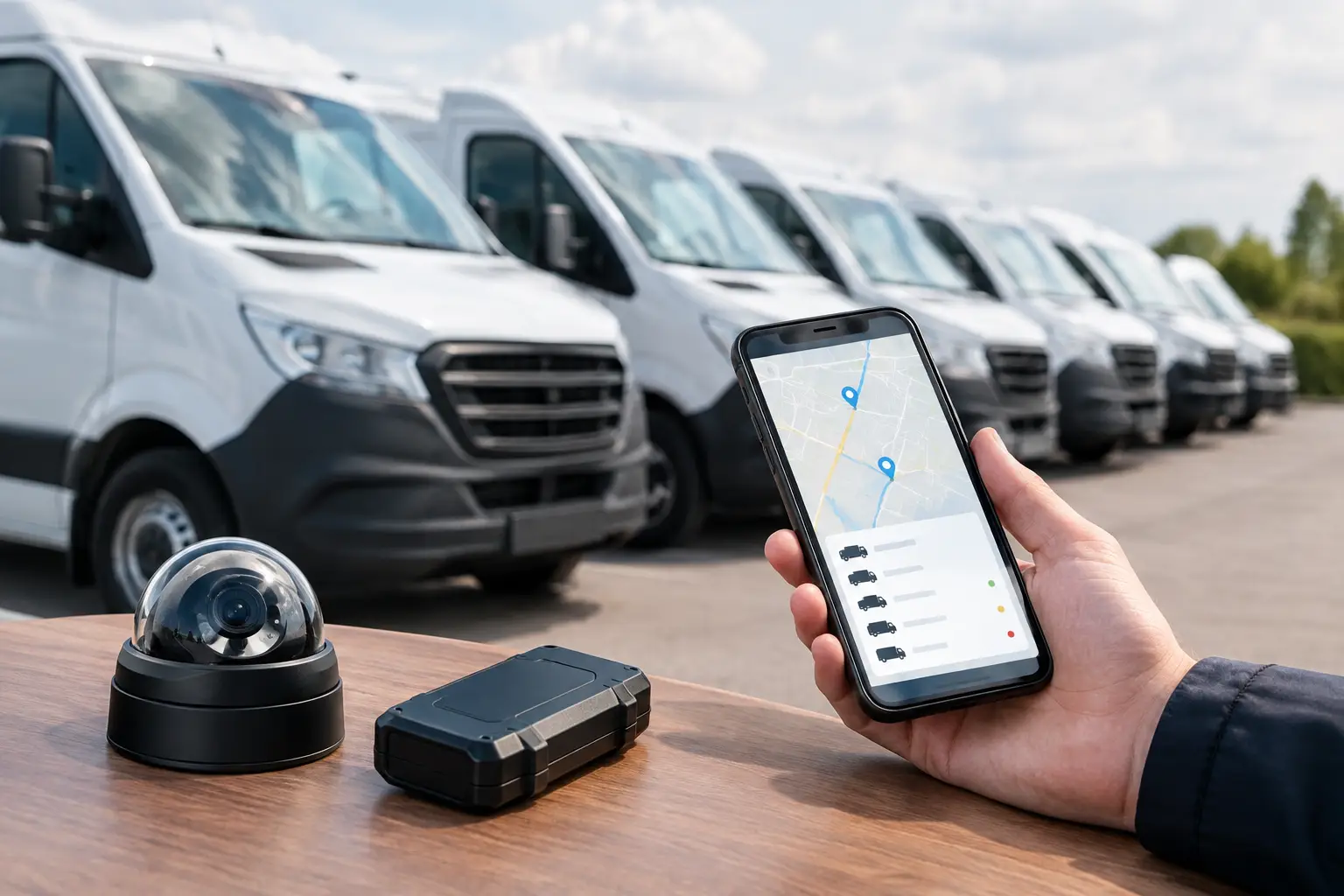
A work van parked at a job site can hold thousands of dollars in tools, inventory, electronics, and customer information. A truck left behind a warehouse may carry equipment that keeps an entire crew moving. The best fleet security devices do more than make noise after a break-in – they help you see what happened, find the vehicle, protect cargo, and reduce the chance that a theft becomes a lost workday.
For South Florida fleet operators, security also has to work in heat, rain, busy parking lots, and constant stop-and-go use. One off-the-shelf gadget is rarely the answer. The strongest setup combines visible deterrents, vehicle recovery tools, real-time alerts, and professional installation that does not compromise the vehicle’s electrical system.
What Fleet Security Should Actually Protect
Fleet security is not just about preventing someone from driving away with a vehicle. For many businesses, the bigger risk is a stolen ladder, generator, tool bag, trailer, delivery load, or piece of installed equipment. A complete plan looks at the vehicle, the cargo, the driver, and the locations where the fleet spends time.
Start by identifying the cost of a security event. That includes replacement equipment, missed appointments, insurance deductibles, payroll, downtime, and the damage a late arrival can do to a customer relationship. A one-vehicle locksmith operation has different needs than a landscaping company with open trailers or a contractor running several loaded service vans.
The right devices should match that exposure. A basic GPS tracker may be enough for a passenger-car sales fleet. A contractor’s cargo van may need tracking, an alarm, a starter-disable feature, rear camera coverage, and cargo-area protection.
Best Fleet Security Devices to Build a Layered System
GPS tracking with real-time alerts
A hardwired GPS tracker is the foundation of most commercial fleet security systems. It can show a vehicle’s location, route history, stop times, and movement outside scheduled hours. More advanced systems can send alerts when a vehicle leaves a defined area, moves after hours, or is towed.
For theft recovery, speed matters. A tracker that reports location in near real time gives an owner and law enforcement a far better starting point than checking a vehicle’s last known location the next morning. Hardwired units are generally the better choice for a working fleet because they are less likely to be unplugged, forgotten, or removed during a busy shift.
There is a trade-off: tracking is only useful when somebody is set up to receive and act on alerts. Set clear after-hours notifications and assign responsibility so the system does not become another ignored app.
Vehicle alarms with shock, tilt, and door monitoring
An alarm remains a strong visible and audible deterrent, especially for vans and trucks that routinely carry tools. Modern alarm systems can monitor door openings, impact, glass breakage, hood access, and vehicle tilt. Tilt sensing is particularly valuable for theft attempts involving wheels, trailers, or towing.
The best alarm setup for a commercial vehicle should not be overly sensitive. An alarm that goes off every time a delivery truck passes becomes background noise, and drivers may disable it. Professional calibration matters. The goal is a system that reacts reliably to genuine intrusion or impact without causing constant false alarms.
Pairing the alarm with a remote notification feature adds real value. A siren may scare off an opportunistic thief, while an alert to the fleet manager gives the business a chance to respond quickly.
Starter interrupt and authorized-driver control
A starter interrupt, sometimes called an immobilizer, prevents the vehicle from being started unless an authorized method is used. Depending on the system, that may be a remote, keypad, smartphone credential, or professionally configured control module.
This is one of the best defenses against drive-away theft, but it must be installed and programmed correctly. A fleet vehicle cannot be stranded because a device fails or a driver does not understand how to use it. The system should include safe operating logic and a clear protocol for managers, drivers, and emergency access.
For larger fleets, authorized-driver controls can also support accountability. If a vehicle is only supposed to be used by specific employees or during certain operating hours, the security system can reinforce that policy.
Dash cameras with parking surveillance
Dash cameras are often viewed as an insurance tool, but they can be a serious security upgrade. Forward-facing footage helps document collisions, aggressive driving, and fraudulent claims. Dual-channel or multi-camera systems can also capture the cabin, cargo area, and rear approach of the vehicle.
Parking surveillance is where cameras become especially useful for fleet protection. A camera that detects impact or motion while the vehicle is parked can preserve evidence of a hit-and-run, vandalism attempt, or suspicious activity near the doors. Cloud-connected systems may allow fleet managers to review footage quickly without waiting for the vehicle to return.
Camera choice depends on your privacy policy and the nature of the work. Interior cameras can be valuable for deliveries, high-value cargo, or safety-sensitive operations, but businesses should communicate clearly with employees about what is recorded, when recording occurs, and how footage is used.
Cargo-area sensors and door protection
A locked van is not automatically a protected van. Rear and side doors are frequent targets, particularly when a vehicle is parked overnight or left at a job site. Cargo-area sensors can trigger an alarm or send an alert when protected doors are opened. Some systems also support separate zones, allowing the cab and cargo area to be monitored differently.
For fleets carrying expensive equipment, physical upgrades deserve equal attention. Heavy-duty door locks, reinforced lock plates, security shields around vulnerable handles, and protected storage drawers make a thief spend more time and create more noise. Electronic security buys response time; physical reinforcement makes forced entry harder in the first place.
Trailer tracking and recovery devices
Trailers are easy targets because they are often parked away from the main facility and may not have their own factory security features. GPS tracking designed for trailers can report movement, location, battery status, and geofence violations. A tilt or motion alert is useful when a trailer moves unexpectedly, even before it has left the property.
Add a high-quality coupler lock and wheel lock for a more complete solution. A lock by itself can be defeated, and a tracker by itself may only help after theft. Together, they make the trailer harder to take and easier to recover.
Choosing the Right Setup for Your Fleet
The best fleet security devices are the ones your team will actually use and maintain. Begin with where vehicles park overnight, what they carry, how often they are left unattended, and whether theft would stop a crew from working tomorrow.
A small service fleet may get excellent protection from a hardwired GPS tracker, a properly tuned alarm, and reinforced cargo-door hardware. A high-value contractor, delivery operation, or mobile service business may want that same foundation plus multi-camera coverage, remote alerts, starter interrupt capability, and trailer tracking.
Avoid treating security as a pile of unrelated accessories. Devices should work together without draining the battery, interfering with factory electronics, or leaving wires exposed under the dash. Fleet vehicles are business assets, and shortcuts during installation can create expensive electrical problems later.
Installation Matters as Much as the Device
A security system is only as dependable as its wiring, placement, and configuration. Trackers need concealed, reliable power. Cameras need a clean field of view and protected cable routing. Alarm sensors need to be tuned for the vehicle and the way it is used. If a cargo-door sensor fails after a few months of hard work, the paperwork says the fleet is protected while the vehicle is not.
Professional installation also gives you a chance to plan the system around your operation. That may mean positioning cameras for a box truck’s blind spots, adding protection to a frequently targeted side door, or configuring after-hours alerts around your actual schedule. Tint Station can help fleet owners build a security package around the vehicles, equipment, and work patterns that matter most.
Security should make your fleet easier to manage, not harder to operate. Protect the vehicles that produce your revenue, train drivers on the system, and test alerts before you need them. The right setup lets your crew focus on the next job instead of worrying about what is parked outside.