
Ceramic Tint Brands Worth Comparing Before You Buy
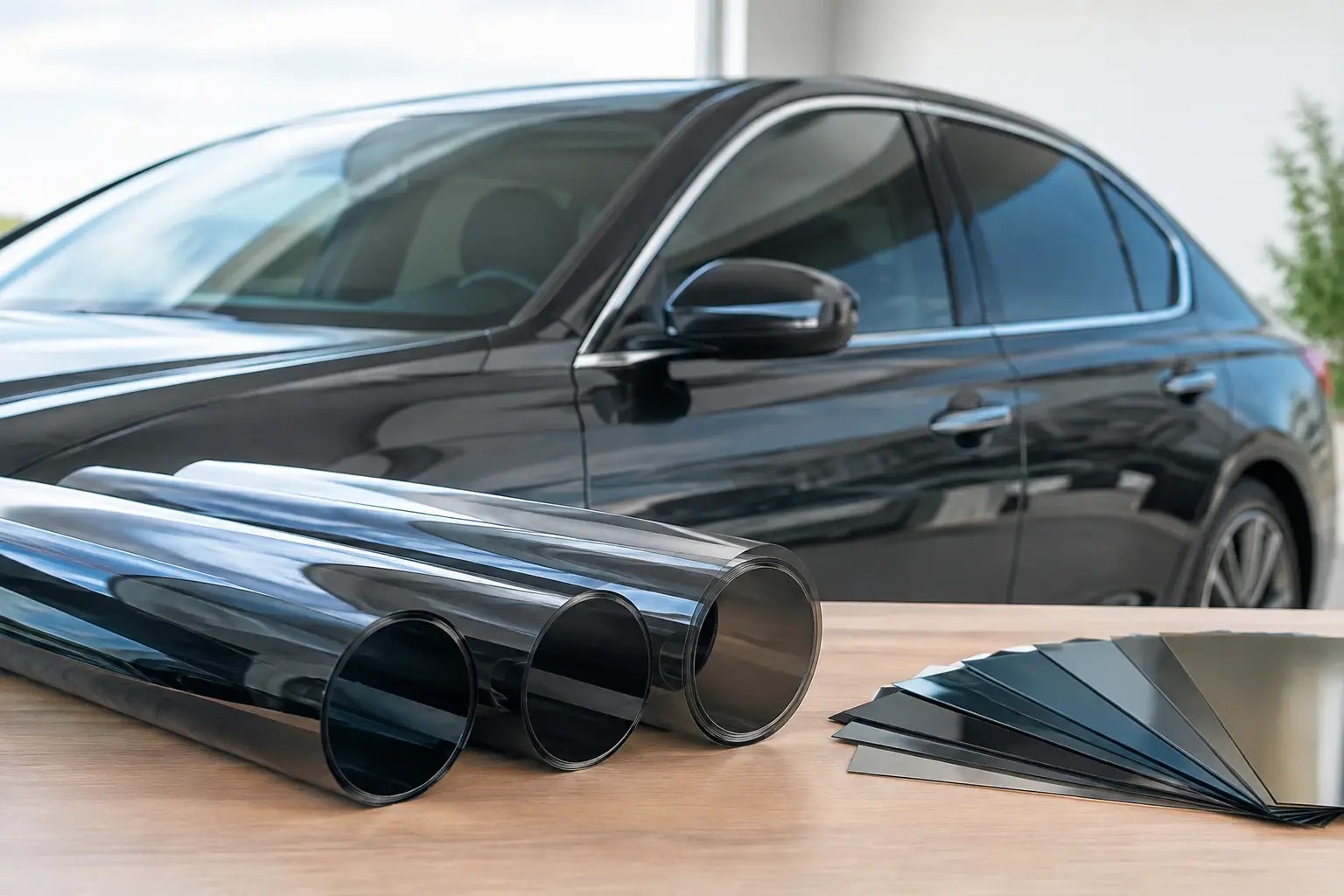
A black interior baking in a Deerfield Beach parking lot is not a minor inconvenience. It can turn a short drive into a sweaty reset, punish your A/C system, and make leather, screens, and trim work harder than they should. That is why comparing ceramic tint brands matters. The badge on the film box matters less than choosing the right product line, shade, and installer for how you actually use your vehicle.
Ceramic window film is one of the strongest upgrades for drivers who want serious heat control without the dark, reflective look or signal interference associated with some older metallic films. But ceramic is not a magic word. Major brands offer different levels of infrared rejection, visible-light transmission, clarity, warranty coverage, and pricing. The right answer depends on your vehicle, your goals, and the specific film being installed.
What Makes Ceramic Tint Different?
Ceramic tint uses non-metallic ceramic particles designed to reduce solar heat and block UV exposure while maintaining optical clarity. Because it is non-metallic, it is generally a smart choice for vehicles loaded with GPS, mobile data, Bluetooth, satellite radio, keyless entry, and advanced electronics.
The biggest real-world advantage is comfort. Quality ceramic film can cut the heat you feel from direct sun, helping your cabin stay more manageable when the South Florida sun is doing its worst. It can also reduce glare and help protect interiors from fading and drying out.
Still, do not judge a ceramic film by one impressive percentage on a brochure. A film may advertise high infrared rejection under a narrow test condition while delivering a different overall result than another film with stronger total solar energy rejection. For daily driving, the complete performance package matters more than one headline number.
Ceramic Tint Brands: What to Compare
The best ceramic tint brands tend to compete at the premium end of the market, but each has multiple film tiers. Comparing a brand’s entry-level ceramic offering to another brand’s flagship line is not an apples-to-apples decision.
Start with these practical factors before picking a film.
Heat rejection that works for your vehicle
Ask about total solar energy rejected, often called TSER, along with infrared rejection. TSER is useful because it reflects how much of the sun’s total heat load the film rejects, not just infrared energy measured at a particular wavelength.
A dark shade can feel cooler because it blocks more visible light, but darker is not automatically better. A quality light ceramic film can outperform a cheap dark tint for heat control while keeping nighttime visibility and a more factory-style appearance. This is especially valuable for drivers who want a clean windshield strip, legal front windows, or a lighter cabin feel without giving up comfort.
Optical clarity and low-angle haze
Premium film should look crisp from inside the vehicle, including at night and when sunlight hits the glass at an angle. Lower-quality films can create haze, distortion, or a slightly wavy view that becomes distracting over time.
This is one area where installation quality and film quality meet. Even an excellent ceramic film can look wrong if the glass preparation, cutting, shrinking, or edge finishing is rushed. The finished result should look tailored to the vehicle, not simply applied to it.
Shade selection and local tint laws
Visible light transmission, or VLT, is the percentage of visible light that passes through the window and film combination. A 5% film is very dark. A 35% film is noticeably lighter. The factory glass itself already has a VLT, so the final reading is not determined by the film alone.
Legal limits vary by state and window location, and medical exemptions may have separate requirements. A reputable shop will help you understand available options, but the vehicle owner is ultimately responsible for legal compliance. Do not choose a shade solely because it looks great on another vehicle. Consider your night driving, backing visibility, passengers, and local regulations first.
Warranty terms and the shop behind the install
A strong manufacturer warranty is valuable, but it is not the whole story. Read what it covers: fading, peeling, bubbling, color change, adhesive failure, and labor can be handled differently. Also ask how warranty claims are processed if a problem ever comes up.
The installer is part of the product. A shop that stands behind its work, uses the correct film for the job, and can support you after installation is worth more than saving a few dollars on an unknown roll of film.
Well-Known Ceramic Film Options
Several names come up regularly when customers shop premium window tint. Availability varies by dealer, region, and product line, so the better question is not which logo is universally best. It is which specific film delivers the performance and look you want.
3M Ceramic and Crystalline lines
3M is one of the most recognized names in automotive film. Its ceramic offerings are popular with buyers looking for a premium, non-metallic solution, while Crystalline is known for delivering strong heat rejection in lighter shades. That can make it appealing when a customer wants major heat relief without turning the vehicle into a dark fishbowl.
The trade-off is price. Premium 3M films can sit near the top of the market, and the exact value depends on the series being quoted. Ask for the specific product name, not just “3M tint.”
LLumar and FormulaOne ceramic films
LLumar has a long-standing reputation in the window film space, with ceramic options that balance heat rejection, appearance, and everyday visibility. FormulaOne is a dealer-oriented premium line associated with select installers and often draws customers who want high-end performance with strong support.
These films are often a good fit for drivers who want refined results rather than the darkest possible windows. The exact warranty and performance specs can vary by series, so compare the data sheet for the film being installed, not the overall brand reputation alone.
XPEL PRIME ceramic films
XPEL is familiar to many vehicle owners through paint protection film, and its PRIME window tint lineup includes ceramic options built for heat rejection, UV protection, and a clean finish. It is a natural brand to consider if you are already building a full protection package with tint, paint protection, or other appearance upgrades.
As with every premium brand, there are different levels within the lineup. Make sure the quote identifies the exact PRIME series and shade so you know whether you are comparing ceramic to ceramic.
SunTek and other professional-grade films
SunTek also offers ceramic window film options and is frequently considered alongside the larger premium names. Huper Optik is another established name that may appeal to customers prioritizing heat-management technology and non-metallic construction.
A lesser-known label is not automatically inferior, and a famous brand is not automatically the best deal. What matters is verified performance, a legitimate warranty, consistent installation standards, and a film that fits your priorities.
Avoid the Wrong Comparison
The most common mistake is shopping only by price or only by darkness. A low quote may be based on dyed film rather than ceramic film, a lower-tier product line, limited coverage, or installation shortcuts that show up later as contamination, lifting edges, or imperfect shrinking around curved glass.
Another mistake is treating every window the same. A rear windshield with heavy defroster lines, a panoramic roof, a large truck cabin, or a windshield that receives constant direct sun may call for a different approach. Windshield film, when permitted, is often chosen in a very light shade specifically for heat control and glare reduction. It deserves careful discussion because visibility and local laws matter.
For the strongest result, ask an installer to show you film samples against glass and explain the difference between the options in plain language. You should know the final shade, the product line, the warranty, and what the finished installation will cost before work begins.
Choose for Comfort, Not Just the Spec Sheet
If you spend long hours commuting, carry kids, park outside, or drive a vehicle with a lot of glass, premium ceramic film can earn its keep quickly. If your main goal is privacy and style on a tight budget, a different film type may make more sense. There is no reason to pay for flagship heat performance if your driving habits do not call for it, but there is also no reason to settle for cheap tint when comfort and longevity are the priority.
At Tint Station, the goal is not to push one shade or one label on every customer. It is to build a tint setup that fits the vehicle, the climate, and the look you want – from a clean daily driver to a fully customized build. Bring your questions, compare the actual film options, and choose the one that makes every hot parking lot feel a little less like a punishment.