
Windshield Tint Legality for Florida Drivers
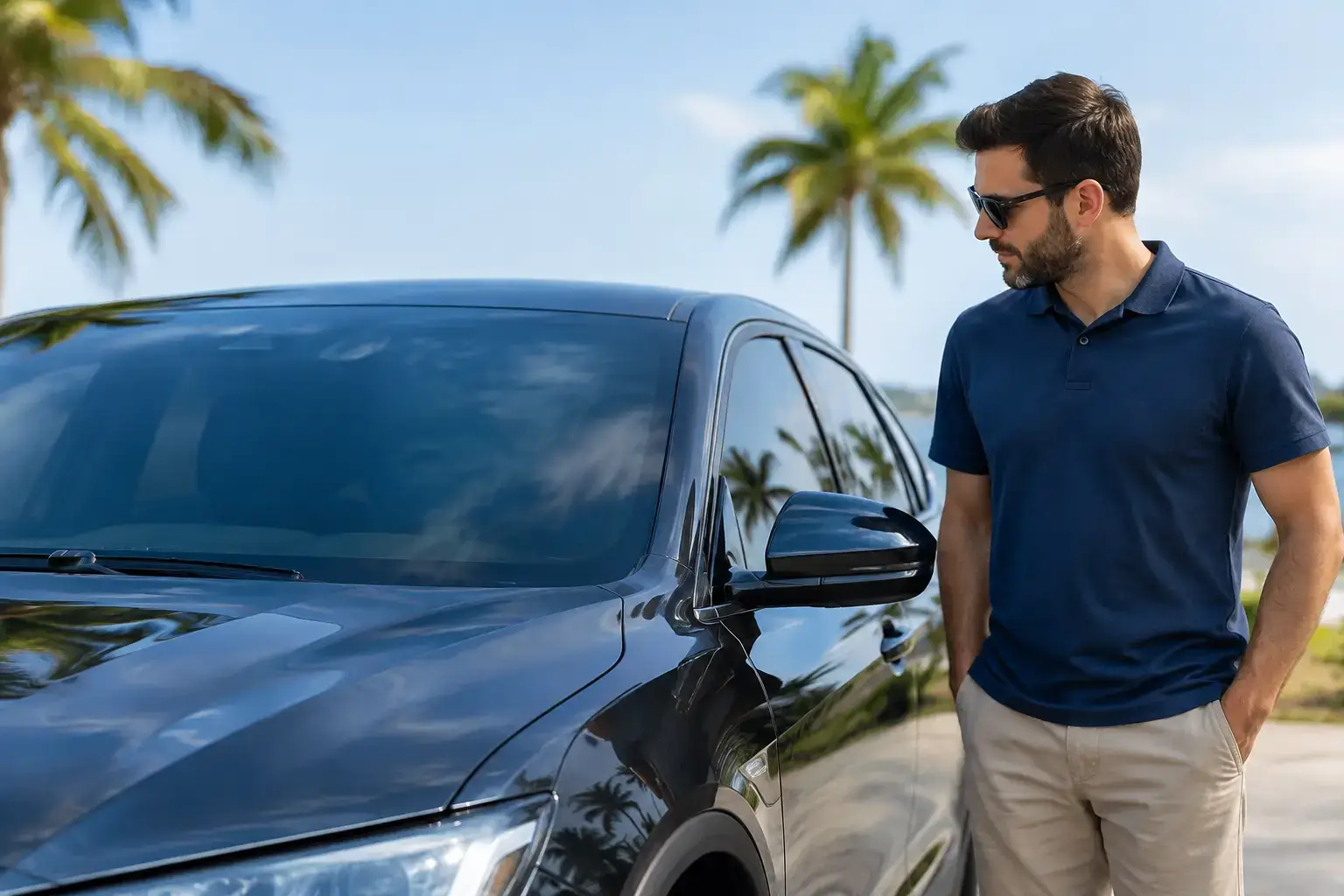
A cooler cabin should not come with a traffic stop. Windshield tint legality is one of the most misunderstood parts of automotive tinting because the windshield plays by different rules than side and rear glass. For South Florida drivers dealing with relentless sun, heat, and glare, the right answer is not simply “go darker.” It is choosing a film and placement that improve comfort while respecting the law.
Windshield Tint Legality in Florida
Florida generally does not allow tint film across the main viewing area of a vehicle windshield. The standard allowance is a nonreflective tint strip above the manufacturer’s AS-1 line, which is typically marked near the top of the glass. If there is no visible AS-1 marking, the usable strip is generally limited to the top portion of the windshield rather than extending down into the driver’s line of sight.
That rule exists for visibility. Windshields need to stay clear enough for drivers to see pedestrians, motorcycles, traffic signals, road hazards, and changing conditions at night or in heavy rain. A dark front windshield may look aggressive in photos, but it can create real visibility problems and put a vehicle at risk for a citation, failed inspection where applicable, or an order to remove the film.
Florida also restricts reflective windshield tint. A reflective finish can create glare for other drivers and may interfere with safe visibility. This is why choosing a professional-grade, low-profile visor strip matters. It should look clean, sit at the correct height, and complement the vehicle instead of becoming a problem every time you see flashing lights in the rearview mirror.
The windshield is not the same as the front windows
A common mistake is assuming that legal front-side-window tint rules apply to the windshield. They do not. Florida passenger vehicles can generally have front side windows tinted to a specified visible light transmission level, while the windshield is limited to that upper strip unless a valid exemption applies.
Visible light transmission, often called VLT, describes how much light passes through the glass and film together. Lower VLT means a darker finished look. On side windows, VLT is central to compliance. On the windshield, placement is often the bigger question. Even a very light film installed below the permitted visor area can be an issue.
Factory glass also affects the final measurement. A film labeled with one VLT percentage will not necessarily produce that same number once it is installed over factory automotive glass. Experienced installers account for the complete glass-and-film combination instead of treating the package label as the final answer.
Why a Clear Windshield Film Can Be the Smart Upgrade
Drivers often ask for windshield tint because they want less heat, less glare, and better protection from UV exposure. Those are valid goals, especially in Deerfield Beach, where a vehicle can feel like an oven after a short stop. The good news is that a dark windshield is not the only way to improve cabin comfort.
High-quality clear or nearly clear ceramic windshield films can reduce infrared heat and help block harmful UV rays while preserving a natural view through the glass. The exact legal fit depends on the product, its installation location, and applicable local enforcement, so it should be discussed before the job starts. The point is to build a solution around both performance and compliance, not chase the darkest possible windshield.
Ceramic technology is especially appealing for vehicles with advanced electronics. Unlike some metallic films, ceramic films are designed to provide heat rejection without creating the same risk of interference with radio, GPS, cellular, or keyless-entry signals. That matters when your build includes premium audio, a security system, dash cameras, or other electronics that need consistent performance.
A proper windshield setup can also make daily driving more comfortable without changing the personality of the vehicle. Pair a legal visor strip with quality side-window tint, and you can cut down on eye-level sun glare while getting meaningful heat control from the rest of the glass. It is a cleaner plan than relying on an oversized strip that crowds your view of traffic lights and signs.
Medical Exemptions Change the Conversation
Florida offers medical exemptions for certain qualifying conditions that require greater protection from sunlight. An exemption is not a blanket pass to install any tint at any darkness on every piece of glass. It is a formal process, and the documentation needs to match the vehicle and driver requirements.
If you believe you qualify, start with your physician and confirm the current state requirements before installing film. Keep approved documentation available in the vehicle as required. A professional tint shop can help explain film options and installation considerations, but medical eligibility and state approval are ultimately matters for the driver and the appropriate state agency.
Even with an exemption, visibility still matters. The best choice balances your medical needs with safe night driving, camera visibility, and the ability to see clearly in rain. A custom solution should feel protective and practical, not create a new safety issue.
Windshield Tint Legality Changes Beyond Florida
A vehicle may be registered in Florida and still spend plenty of time elsewhere. Drivers who travel to Michigan, Georgia, the Carolinas, or across state lines for work should know that windshield rules vary. Some states allow a different visor-strip depth, use different reference points, or apply separate requirements to multipurpose vehicles and passenger cars.
The practical move is to build for the rules where the vehicle is registered, then avoid choices that are likely to draw attention anywhere. A film that sits low across the windshield or has a mirrored appearance can become a problem regardless of where you are headed. Commercial vehicles and fleet vehicles may also face company policies, insurance requirements, or additional regulations that go beyond standard passenger-car tint laws.
If you are buying a used vehicle with existing windshield tint, do not assume it is legal because it has been there for years. Previous owners may have installed it out of state, used a noncompliant product, or simply taken the risk. Having it checked before you invest in the rest of a custom build can save money and frustration.
What to Ask Before Tinting Your Windshield
The strongest tint jobs begin with a conversation, not a guess. Tell the installer how you drive: daily commuting, late-night work, school runs, long highway trips, boating weekends, or a show-focused build. A driver who spends hours on I-95 in daylight needs a different setup than someone who regularly drives unlit roads after dark.
Ask where the AS-1 line is on your vehicle and how the visor strip will be measured. Ask whether the film is nonreflective, how it will look from inside the cabin, and whether it is compatible with your windshield-mounted cameras or sensors. Modern vehicles can have forward-facing safety cameras, rain sensors, heads-up displays, heated glass, antennas, and calibration-sensitive equipment near the windshield.
You should also ask about film quality and warranty coverage. Cheap film can fade purple, bubble, peel, or create hazy vision over time. A premium installation should be precise at the edges, clean around mirrors and sensors, and selected for the actual use of the vehicle. Tint Station approaches every vehicle as a custom project because a family SUV, a luxury sedan, a work truck, and a weekend performance car should not all receive the same recommendation.
Can I tint my entire windshield in Florida?
For most drivers, no. Florida generally permits a nonreflective strip above the AS-1 line, not full-windshield tint. A medically approved exemption may alter what is permitted, but drivers should verify the current requirements before installation.
Is a clear ceramic windshield film legal?
It depends on how and where it is installed, as well as the specific film and the applicable law. Clear ceramic films can deliver excellent heat and UV reduction, but performance benefits do not automatically make an installation legal. Confirm the plan with a qualified installer before committing.
Will a windshield visor strip help with heat?
It helps most with direct overhead glare, especially during sunrise and sunset. For broader cabin heat control, side and rear-window ceramic tint usually have a larger effect because they cover more glass area. A visor strip is a focused upgrade, not a replacement for a complete tint strategy.
The right windshield treatment should make every drive feel better without forcing you to second-guess every stoplight, nighttime road, or traffic stop. Start with the law, choose quality film for the heat and glare you actually face, and get a professional recommendation built around your vehicle rather than a one-size-fits-all shade.