
Choosing a Car Alarm System That Fits Your Ride
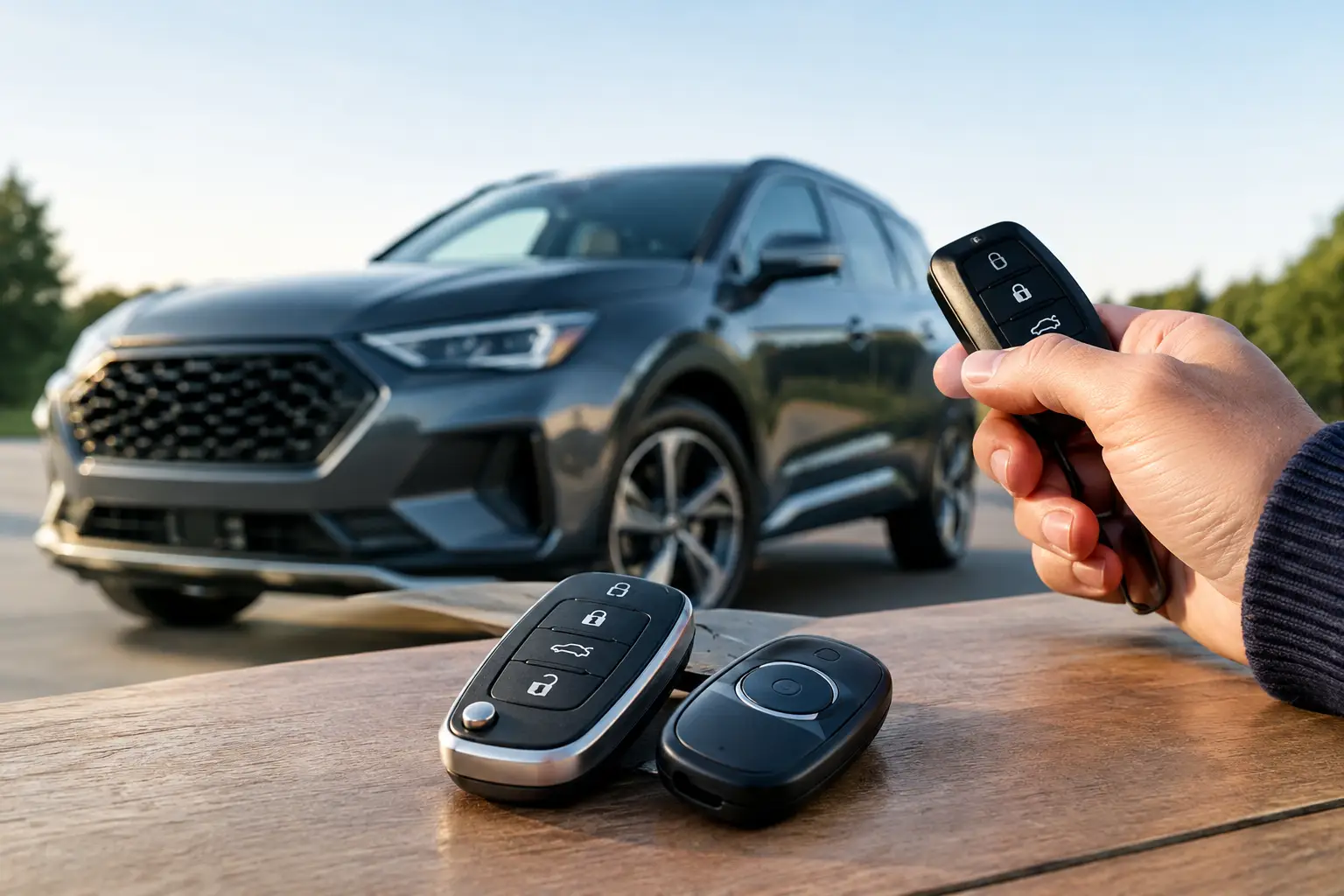
A break-in can turn a normal drive into a costly headache fast. Choosing a car alarm system is not about picking the loudest siren on the shelf. It is about building the right level of protection around your vehicle, where you park, the gear inside, and how you use your ride every day.
For a daily driver in Deerfield Beach, a dependable alarm with remote alerts may be the right move. For a custom truck with upgraded audio, tools, lighting, or specialty equipment, protection needs to go further. The best setup should deter attention, alert you quickly, and work cleanly with the electronics already in your vehicle.
Start With What You Need to Protect
Before comparing alarm brands or remote styles, take an honest look at your vehicle and your routine. A basic sedan parked in a secured garage faces different risks than a work van left at job sites, a Jeep with removable doors, or a show car carrying high-end audio equipment.
Think about where the vehicle spends its time. Street parking, apartment lots, airport garages, beaches, and job sites all create different exposure. Also consider what is visible inside. An aftermarket radio, amplifiers, custom subwoofer enclosure, laptop mount, tools, wheels, or cargo can make a vehicle more tempting to the wrong person.
Your goal is not to buy every available sensor. It is to cover the real vulnerabilities without turning your vehicle into a false-alarm machine. A professionally planned system feels like part of the vehicle, not an accessory you have to fight with every morning.
Choosing a Car Alarm System by Protection Level
Car alarm systems range from simple entry-level deterrents to advanced security packages with two-way remotes, smartphone control, GPS tracking, and layered sensors. The right choice depends on how much awareness and control you want after you walk away.
Basic alarm and keyless-entry protection
A basic alarm system typically monitors doors, the hood, trunk, and ignition. If someone tries to force entry or start the vehicle without authorization, the system triggers a siren and flashes the parking lights. For many daily drivers, this is a strong starting point, especially when the factory security system is limited or has no meaningful notification beyond the vehicle itself.
Keyless entry can be added or upgraded at the same time. That can be useful for older vehicles, vehicles with worn-out factory remotes, or drivers who want a cleaner, more convenient way to lock and unlock their ride.
Two-way remote systems
A one-way remote sends a command to the vehicle. A two-way remote sends confirmation back to you. When the alarm goes off, the remote can vibrate, beep, or display an alert. That matters if you are inside a restaurant, office, gym, or home and cannot hear the siren outside.
Range claims deserve a realistic look. Buildings, concrete garages, nearby electronics, weather, and the vehicle’s position can reduce usable range. Choose a system with enough real-world range for your normal parking situation rather than buying based only on the biggest number on the box.
Smartphone control and GPS tracking
Smartphone-enabled security systems bring another layer of control. Depending on the system and service plan, you may receive alerts, lock or unlock the vehicle, check its location, and monitor certain activity from your phone. GPS tracking can be especially valuable for high-value vehicles, work fleets, and owners who travel frequently.
There is a trade-off. Many connected systems require a monthly or annual service plan. That added cost makes sense when location awareness and live alerts are priorities. If you mainly want a local siren and better door protection, a traditional alarm may be the smarter value.
Immobilizers and starter-kill options
A siren is a deterrent. An immobilizer or starter-kill feature is designed to make the vehicle harder to drive away. When armed correctly, it can interrupt a critical starting circuit so an unauthorized person cannot simply get in and leave.
This feature needs careful installation. Modern vehicles have complex electrical systems, factory immobilizers, push-button starts, data networks, and anti-theft programming. Cutting corners can create reliability problems that show up weeks later, such as no-start conditions or warning lights. This is exactly where experienced installation makes the difference.
Sensors Matter More Than Most Drivers Realize
The sensor package determines what can trigger an alarm. Door, hood, trunk, and ignition monitoring are the foundation. Beyond that, the best sensor choices depend on the vehicle and how it is parked.
A shock sensor can detect impact, but it must be tuned correctly. Too sensitive, and passing trucks, thunder, or a shopping cart tap may cause constant alerts. Too loose, and it may miss the impact you wanted it to detect. Dual-stage sensors can provide a warning chirp for a lighter hit and a full alarm for a stronger impact.
A glass-break sensor listens for the frequency associated with breaking glass. A motion or proximity sensor can help protect open-top vehicles, cars with removable doors, or rides where windows may be cracked. Tilt sensors are useful for protecting wheels and can alert you if the vehicle is lifted for a tow or wheel theft attempt.
Not every vehicle needs every sensor. A convertible, Jeep, work truck, or vehicle with premium wheels may benefit from expanded coverage. A family SUV parked in a garage may be better served by a simpler, reliable setup. The strongest system is tailored, not overloaded.
Do Not Ignore Factory Security
Many newer vehicles already include factory alarm functions, immobilizers, and app-based features. That does not automatically mean an aftermarket system is unnecessary. Factory systems often provide basic protection, but they may not offer the range, sensor coverage, remote notification, GPS visibility, or customization a vehicle owner wants.
The key is integration. An aftermarket system should work with the factory key fob, factory locks, lighting, and safety features whenever possible. It should not create confusing steps, disable factory functions, or leave you carrying a pile of remotes. A clean installation keeps the daily experience simple while adding real protection in the background.
If your vehicle has a push-button start, advanced driver assistance features, or a newer European, luxury, or EV platform, ask specifically about vehicle compatibility. The system needs to be selected around the vehicle, not forced into it.
Installation Quality Is Part of the Security System
The alarm hardware matters, but installation quality is where a security system earns its keep. Poor wiring, loose connections, exposed components, and sloppy sensor placement can lead to nuisance alarms, drained batteries, electrical issues, or a system that is easy for a thief to find and defeat.
Professional installation includes more than connecting wires. It means identifying the correct vehicle interfaces, securing and concealing components, protecting wiring, calibrating sensors, testing every trigger point, and walking you through daily operation. The installer should also consider other upgrades already in the vehicle, including audio amplifiers, LED lighting, remote start, dash cameras, and factory electronics.
At Tint Station, a security system can be planned alongside custom audio, lighting, and other vehicle electronics, so the finished build looks clean and functions as one package. That is especially valuable when protecting an investment you have already personalized.
Pair Security With Habits That Make a Difference
An alarm is one part of vehicle security, not a free pass to leave valuables in plain sight. Keep bags, tools, and electronics out of view. Remove detachable faceplates or accessories when possible. Park in visible, well-lit areas, and do not leave spare keys inside the vehicle.
If you have a premium audio build, consider whether window tint, cargo coverage, or a more discreet enclosure can reduce visibility into the cabin. A thief who never sees the target may never test the alarm.
Also make sure everyone who drives the vehicle knows how the system works. False alarms often come from unfamiliar drivers, service appointments, or a remote left in the wrong mode. A good installer will show you how to arm, disarm, override, and maintain the system before you leave.
Ask These Questions Before You Buy
A quality consultation should leave you with clear answers. Ask whether the system is compatible with your vehicle, what events will trigger an alert, whether remote range is realistic for your routine, and whether a subscription is required for app or GPS functions. Ask how the system integrates with factory remotes and whether a starter-kill option is appropriate for your vehicle.
You should also ask about warranty coverage for both the product and the installation. Security electronics should be supported after the sale, particularly when a vehicle has custom work or complex factory technology.
The right car alarm system should give you confidence without adding friction to your day. Bring your vehicle, parking routine, and protection goals to a qualified installer, then build a setup that protects what makes your ride yours.